
Travel shirt moisture wicking matters most on hot days when you still need to look put-together, because sweat, clingy fabric, and slow drying can turn a “simple tee” into a travel problem.
If you have ever stepped off a plane into humid heat, then realized your shirt shows every sweat patch, you already know why this topic gets so much attention. The right shirt reduces discomfort, cuts down on laundry stress, and often makes packing simpler.
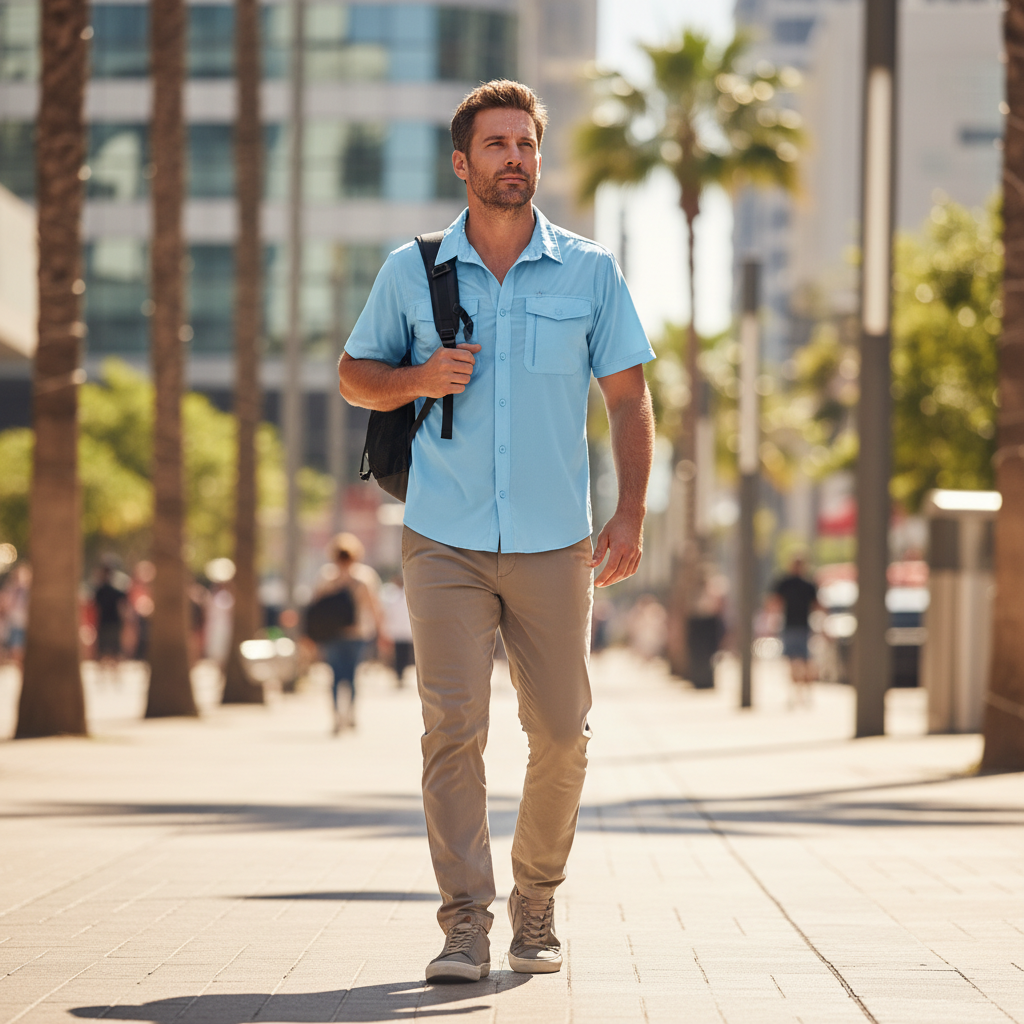
What many people miss is that “moisture-wicking” is not one magic feature. Fabric type, knit structure, fit, color, and even your backpack straps can decide whether the shirt feels breezy or swampy. This guide breaks down what actually changes outcomes, plus a quick checklist to choose with confidence.
What moisture-wicking really means (and what it does not)
Moisture-wicking usually refers to a fabric’s ability to move sweat off your skin toward the outer surface, where it can evaporate faster. That can help you feel less sticky, especially in airflow.
Two practical limits are worth keeping in mind. One, wicking is not the same as “cooling,” since high heat with high humidity can still feel oppressive. Two, wicking does not automatically mean “odor-resistant,” which is often a separate treatment or a benefit of certain fibers.
According to REI..., synthetic baselayers such as polyester often excel at moisture management, while merino wool can balance moisture and odor control for many users, with tradeoffs in durability and dry time depending on fabric weight.
Why hot-day travel shirts fail in the real world
Most disappointments come from predictable friction points, not from people “choosing wrong” in a vacuum.
- Humidity beats evaporation: wicking can move sweat, but evaporation slows when the air already holds a lot of moisture.
- Backpack contact zones: straps and back panels reduce airflow, so you end up with a damp back even in a solid performance fabric.
- Fit is underestimated: very slim cuts can trap heat, while very loose cuts can show sweat outlines on some fabrics.
- Wrong fabric weight: heavy knits may wick but still feel warm; ultra-thin fabrics can feel airy but turn see-through.
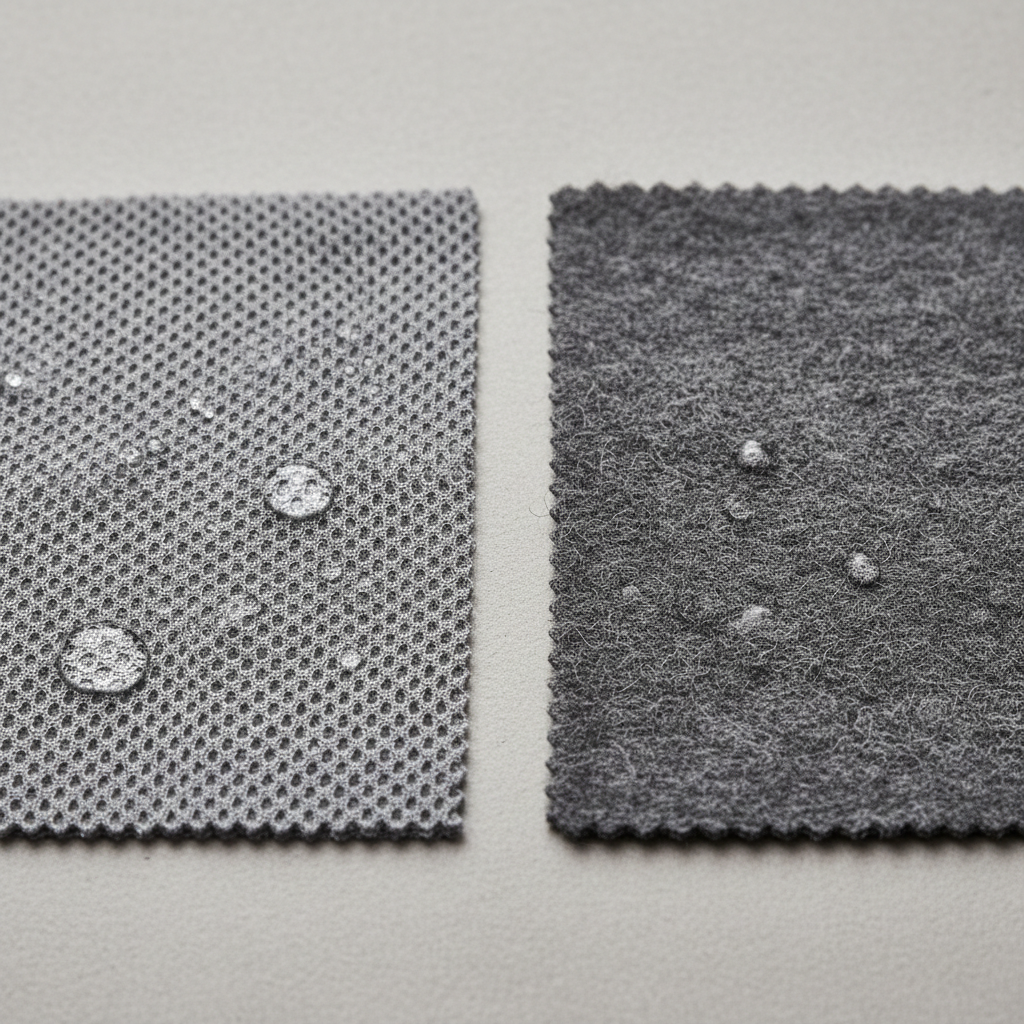
- Care and softeners: fabric softener residue can reduce moisture transport on some synthetics, so a “good” shirt starts acting average.
Said plainly, the “best” travel shirt is often the one that matches your trip pattern, your sweat level, and your plan for washing and rewearing.
Quick self-check: what kind of hot-day traveler are you?
Use this as a fast sorting tool before you look at brands or prices.
- High-sweat walker: you sweat through your back and chest after 20–30 minutes outside, you want faster dry time and airflow.
- Style-first commuter: you need a collar or a cleaner drape for restaurants or meetings, you want wrinkle resistance and low shine.
- One-bag minimalist: you will rewear and sink-wash, you want odor control and fast overnight drying.
- Desert heat traveler: low humidity but intense sun, you want sun coverage and a fabric that does not feel “plastic.”
- Tropical humidity traveler: you accept you will sweat, you want a fabric that stays comfortable when damp and avoids visible stains.
If you recognize yourself in more than one category, prioritize what you cannot “hack” later. You can add deodorant and a laundry sheet, but you cannot add breathability to a dense fabric once you pack it.
Choosing the right travel shirt moisture wicking: fabric, weave, and finish
Here is the part that saves money: read the fabric story before you read the marketing story.
Fabric options you will see most often
- Polyester: common for travel because it dries fast and packs small. Some versions feel slick or hold odor if you rewear without washing.
- Nylon: often feels smoother and can be tougher under backpack abrasion. Dry time can be very good, comfort varies by knit.
- Merino wool: many travelers like it for multi-day wear due to odor control, but it can be pricier and may snag easier depending on blend.
- Blends (poly/merino, nylon/spandex): often a sweet spot when you want stretch, better drape, or improved durability.
Weave/knit details that change comfort
- Mesh panels or open knits improve airflow, but can look more “sport.”
- Piqué (often in polos) can hide sweat texture better than flat jersey.
- Seersucker-like texture or micro-texture can reduce cling, which matters in humidity.
Finishes and treatments (useful, but not magic)
- Anti-odor treatments: can help between washes; sensitivity varies by person, so patch-test if you have reactive skin.
- UPF labeling: helpful for long outdoor days. According to Skin Cancer Foundation..., clothing can be an effective form of sun protection; look for UPF-rated garments when sun exposure is a key part of your trip.
- DWR (water repellency): more common on overshirts; not required for most hot-weather tops.
Feature-by-feature comparison table (what to buy for your scenario)
This is a practical cheat sheet, not a rulebook. Your climate and how often you wash will shift the “best” answer.
| Scenario | Recommended fabric direction | Fit & design cues | Watch-outs |
|---|---|---|---|
| Humid city walking | Light polyester/nylon blend | Relaxed fit, vented yoke or textured knit | Very smooth synthetics may show sweat sheen |
| One-bag, rewear 2–3 days | Merino blend or odor-treated synthetic | Midweight, darker colors, easy sink-wash | Pure merino may dry slower than thin poly |
| Hot but dry climate | Breathable nylon or merino blend | Looser cut, optional long sleeve for sun | Ultra-thin fabric can feel harsh under straps |
| Restaurant-ready travel days | Piqué polo or performance button-down | Matte finish, structured collar, minimal logos | Too much stretch can cause “cling” in heat |
How to wear and use it so it works (practical steps)
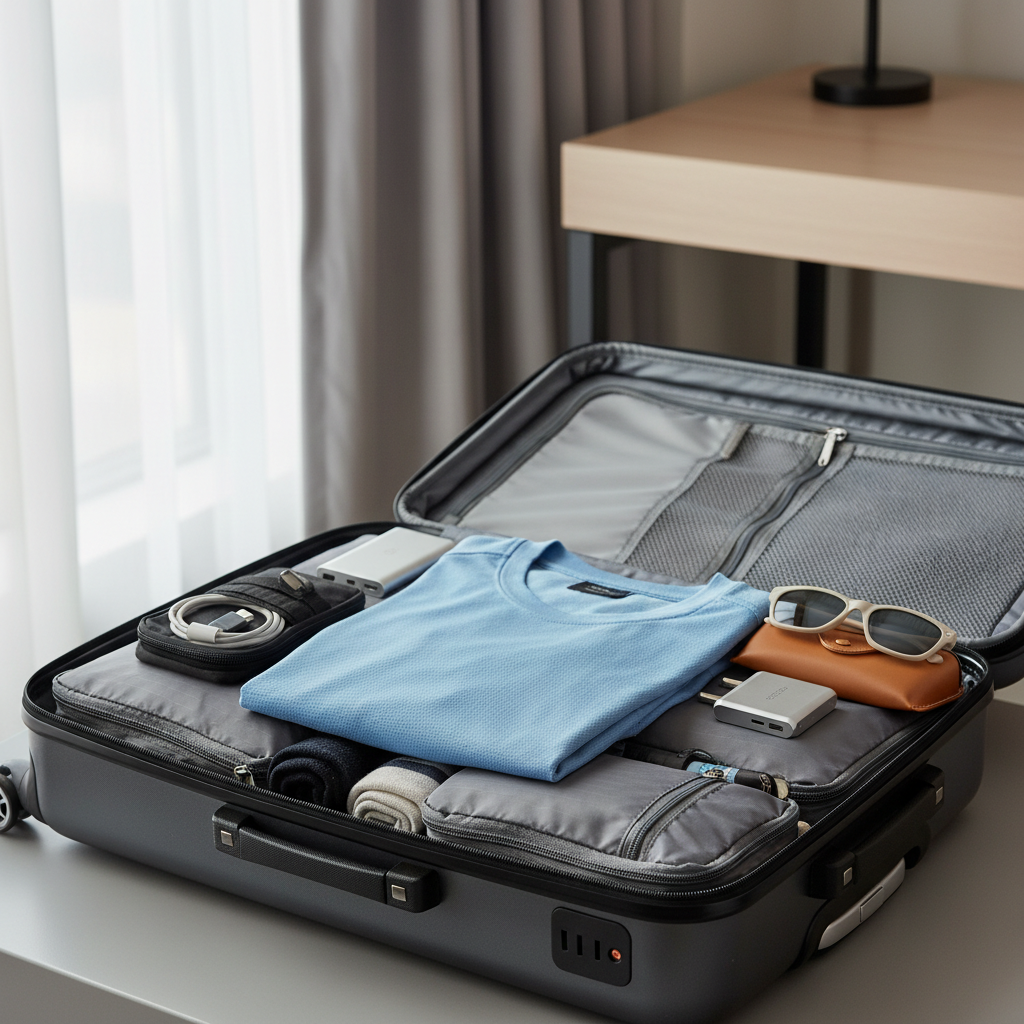
A good shirt can still feel bad if you wear it like cotton. Small adjustments make a bigger difference than people expect.
On-body tweaks
- Choose a fit with a little air gap at the chest and back, especially if you carry a daypack.
- Go matte and mid-tone if you worry about sweat marks, very light gray and some blues tend to show moisture more.
- Use a breathable undershirt when you need a cleaner look, a thin wicking layer can reduce visible sweat on the outer shirt.
- Plan a “cool-down window” before you walk into a museum or dinner, even five minutes indoors can help evaporation catch up.
Washing and drying on the road
- Skip fabric softener for synthetics when possible, it may reduce wicking performance.
- Rinse sooner if you sweat heavily, dried salts can make a shirt feel stiff and smell faster.
- Roll-towel press: after sink-wash, roll the shirt in a towel and press to remove water, then hang with airflow.
Mistakes to avoid when shopping (so you do not rebuy)
- Buying “athletic” shine for city travel: glossy finishes can look out of place in photos and restaurants, and sometimes highlight sweat.
- Assuming thicker equals better: thicker can mean tougher, but often means warmer. In heat, weight matters.
- Ignoring seams and strap zones: rough seams under backpack straps become irritating fast, look for smooth stitching.
- Over-optimizing for odor: if you sweat a lot, ventilation and dry time usually beat “odor control” alone.
Key takeaways
- Pick fabric and knit for your climate first, then worry about style details.
- For humid trips, prioritize airflow and a fabric that stays comfortable when damp.
- A travel shirt moisture wicking works best when you also use smart washing and drying habits.
When you may want expert input
If you get recurring rashes, chafing, or itching from performance fabrics, it may be worth asking a dermatologist or qualified clinician, especially if symptoms show up quickly or worsen. Sensitivities to dyes, anti-odor treatments, or friction points can look like “heat issues” but need a different fix.
If your travel includes high-heat hikes or remote areas, consider checking basic heat safety guidance. According to CDC..., heat-related illness risk rises in hot environments, so clothing choice is only one part of staying safe, hydration and pacing matter too.
Conclusion: a simple way to choose for your next trip
If you want fewer sweaty, sticky days, start with a travel shirt moisture wicking fabric that matches your climate, then choose a fit that leaves room for airflow and a finish you will actually wear to dinner. If you are unsure, a lightweight synthetic or a merino blend in a darker, matte color is a safe starting point for many travelers.
Your next action can be small: check your favorite shirt’s fabric tag, then compare it to your hottest travel destination. That one step usually makes the next purchase feel obvious.
FAQ
- What is the best travel shirt moisture wicking fabric for humid weather?
In many cases, a light polyester or nylon blend with an open knit feels more comfortable than a dense fabric, because airflow matters as much as wicking when humidity stays high. - Does moisture-wicking mean the shirt will not smell?
Not automatically. Odor depends on bacteria growth and how the fabric holds oils; merino and some anti-odor treatments can help, but frequent rinsing still matters on long days. - Are merino shirts too warm for hot days?
It depends on weight and knit. Lightweight merino or merino blends can work in heat, while heavier merino can feel warm, especially under a backpack. - How can I reduce sweat stains on a travel shirt?
Choose mid-tone or darker colors, avoid shiny fabrics, and consider a thin wicking undershirt. Also give yourself a brief cool-down before indoor stops when possible. - Can I wear a moisture-wicking travel shirt multiple days in a row?
Often yes, but comfort varies by person and climate. If you rewear, prioritize odor control and plan quick sink-rinses, then dry with airflow. - Why does my “quick-dry” shirt stay wet under my backpack?
Straps and back panels block evaporation. A more breathable weave, a slightly looser fit, or taking short breaks to air out can help more than changing detergents. - Do I need UPF for a hot-weather travel shirt?
If you spend hours outside in strong sun, UPF-rated clothing is a practical layer of protection. For mostly indoor city trips, it may be less important than comfort and appearance.
If you are trying to build a small, reliable hot-weather capsule, it can be easier to start with one travel shirt moisture wicking piece that matches your most common trip, then add a second option in a different fabric weight or style once you learn what bothers you most in the heat.