
Grassland travel destinations are some of the best places in North America to see wildlife that thrives in wide-open country, think bison, pronghorn, prairie dogs, and big raptors riding the wind. The tricky part is that “grassland” covers a lot of ground, from shortgrass prairie to high-elevation parks, and the right destination depends on what you want to see and how you like to travel.
People often default to famous mountain parks, then wonder why sightings feel random. In grasslands, wildlife viewing can be more predictable, but only if you match the season, the time of day, and your expectations to the landscape. It’s less about hiking to a viewpoint and more about reading space and movement.
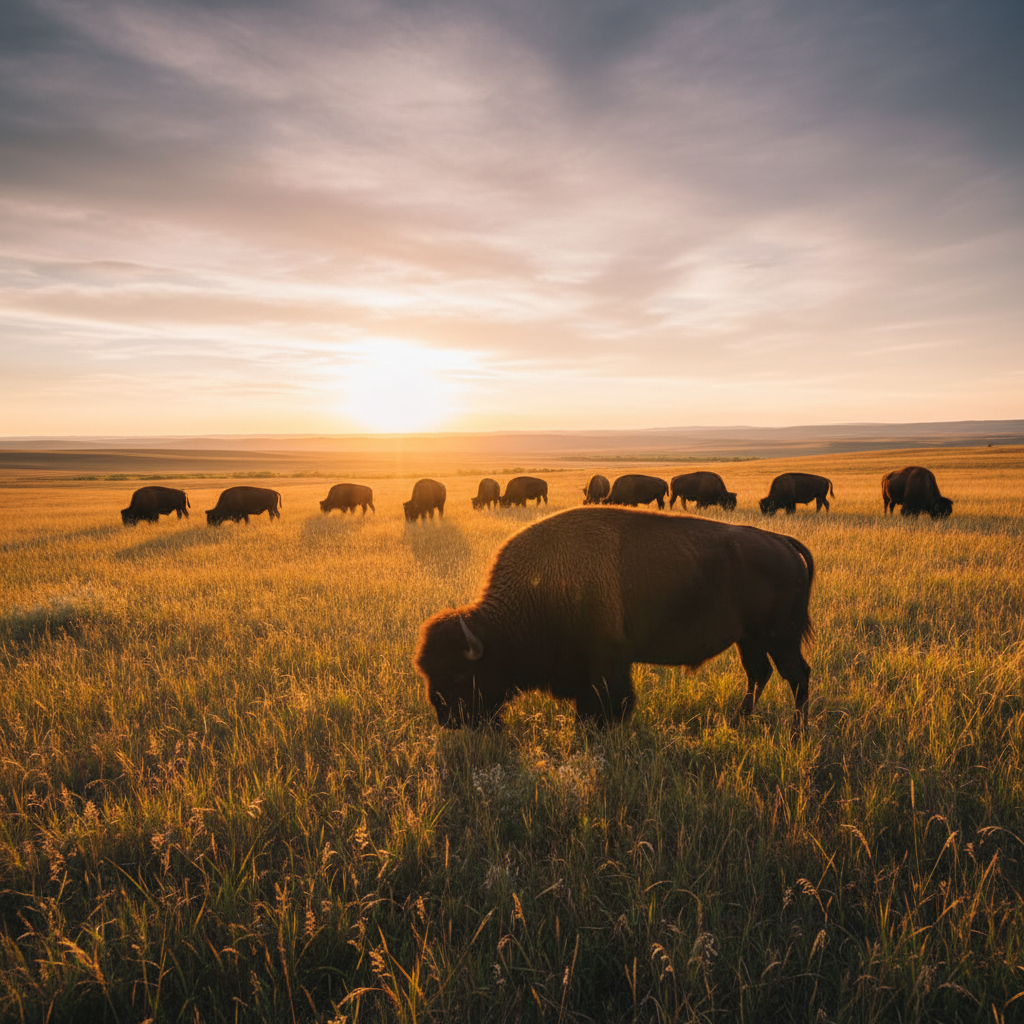
This guide helps you choose grasslands that actually deliver for wildlife, plan a practical itinerary, and avoid the common mistakes that spook animals or waste your best viewing windows. You’ll also get a quick comparison table, packing and timing tips, plus a simple checklist to figure out which kind of prairie trip fits you.
What makes grasslands great for wildlife (and why trips go wrong)
Grasslands look “empty” until you slow down, then you notice layers, burrows, flight paths, distant herds, and subtle changes in vegetation that animals use like roads. When a trip disappoints, it’s usually because of a mismatch between expectations and how grassland ecosystems work.
- Visibility is high, but distance is real, you may need binoculars, a spotting scope, or a longer camera lens to enjoy what you’re seeing.
- Wildlife runs on temperature and wind, many species move more at dawn and dusk, and raptors often soar when thermals build later in the day.
- Season matters more than people think, spring can bring breeding displays and newborns, late summer can bring heat haze and mid-day slowdowns.
- Road access often beats trail mileage, many signature sightings in prairie units happen from scenic drives, pullouts, and short walks to overlooks.
According to the National Park Service (NPS), wildlife viewing is safest and most successful when visitors keep distance, never feed animals, and use binoculars or zoom lenses rather than approaching.
A quick comparison of wildlife-forward grassland destinations
Below is a practical snapshot, not a ranking. These are popular picks because they’re accessible, have consistent habitat, and usually offer ranger guidance, scenic drives, and established viewing etiquette.
| Destination | Best-known wildlife | When it shines | Good fit for |
|---|---|---|---|
| Tallgrass Prairie (KS) | Bison, grassland birds | Late spring, early fall | First-timers, short trips |
| Badlands region + surrounding prairie (SD) | Bighorn sheep, prairie dogs, raptors | Spring and shoulder seasons | Road-trippers, photographers |
| Theodore Roosevelt area (ND) | Bison, feral horses, elk | Late spring through early fall | Family travel, scenic drives |
| High-plains grasslands (CO/NM/OK panhandles) | Pronghorn, prairie birds | Spring, early summer mornings | Quiet travel, birding |
| Florida dry prairie and ranchlands | Cranes, raptors, wet-season species | Winter and early spring | Warm-weather getaways |
If you’re deciding between two options, choose the one with more viewing pullouts, more habitat variety, and fewer “single trail” bottlenecks. Those three factors tend to translate into more chances, not just prettier scenery.
How to choose the right trip style (a quick self-check)
Before you lock flights or a long drive, get honest about how you like to travel. Grassland travel destinations can feel magical or monotonous depending on pacing.
- I want iconic megafauna: prioritize places with established bison or elk herds and clear distance rules, plan early mornings.
- I want birds and behavior: look for mixed habitat edges, prairie wetlands, or riparian corridors, bring a field guide app and good binoculars.
- I want photography: pick routes with sunrise/sunset access, longer sightlines, and safe pullouts, heat shimmer planning matters in summer.
- I’m traveling with kids: look for visitor centers, short interpretive trails, and prairie dog towns where “something happens” fast.
- I dislike crowds: choose larger grassland units, go mid-week, and lean into shoulder seasons.
Key point: in many grasslands, “more miles walked” does not equal “more wildlife.” The win is usually smart timing plus patient scanning.
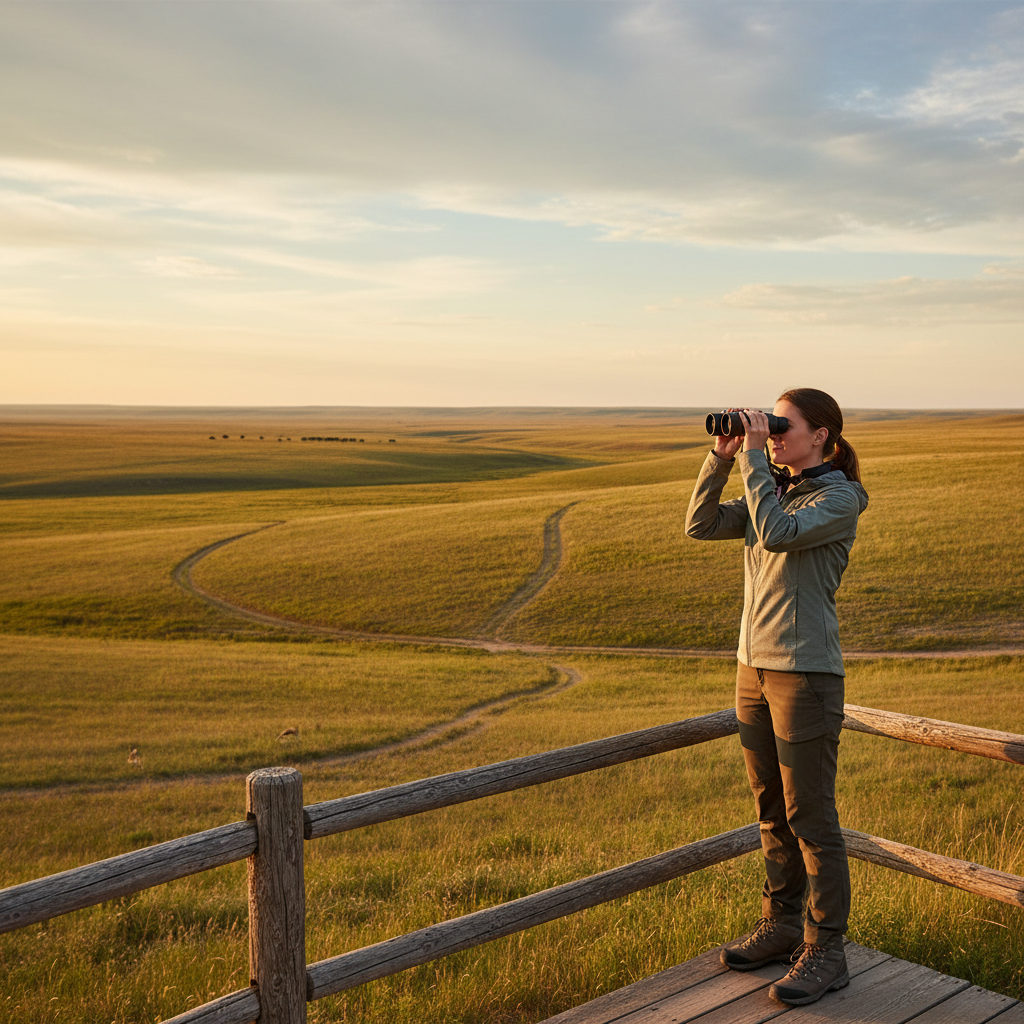
According to the U.S. Fish & Wildlife Service, observing wildlife from a safe distance helps protect animals from stress and reduces risky encounters, binoculars and scopes are strongly encouraged in open habitats.
Timing: when wildlife viewing is usually strongest in grasslands
If you remember one planning rule, make it this: grasslands reward early starts. Midday can still work, but it often becomes more about raptors, distant herds, and shade pockets near water.
Seasonal patterns to plan around
- Spring: migration and breeding behavior, greener landscapes, often more daytime movement.
- Early summer: newborns show up in many regions, but heat can push activity into the edges of the day.
- Late summer: heat haze can soften long-distance views, storms can bring dramatic skies and short, intense wildlife moments.
- Fall: rut activity for some species, clearer air, comfortable hiking and long drives.
- Winter: fewer crowds, but access and safety become more serious, check road closures and wind chill.
Daily schedule that often works
- Sunrise to 10 a.m.: scanning from pullouts, short loops, prairie dog towns, water sources.
- Midday: visitor center stops, shaded canyon edges (where applicable), raptor watching, reposition to a new unit.
- Golden hour: repeat your best route, animals often reappear as temperatures drop.
Responsible viewing: distance, behavior, and vehicle etiquette
Grassland animals can look calm even when they feel pressured, and in open terrain, a single bad approach can push a herd far off for everyone. If you’ve ever seen wildlife “vanish” after one person gets too close, that’s usually why.
- Use your vehicle as a blind when rules allow, many animals tolerate cars better than people walking straight at them.
- Stop safely, pull fully off the road, avoid blocking traffic or creating a roadside crowd.
- Watch for stress signals, repeated head turns, bunching, stomping, snorting, or sudden direction changes mean you’re too close.
- Skip calls and bait, playback and feeding can change behavior and can be illegal in certain areas.
According to the National Park Service (NPS), visitors should keep safe distance from wildlife and never attempt to approach for photos, rules vary by park and species, so check the specific unit before you arrive.
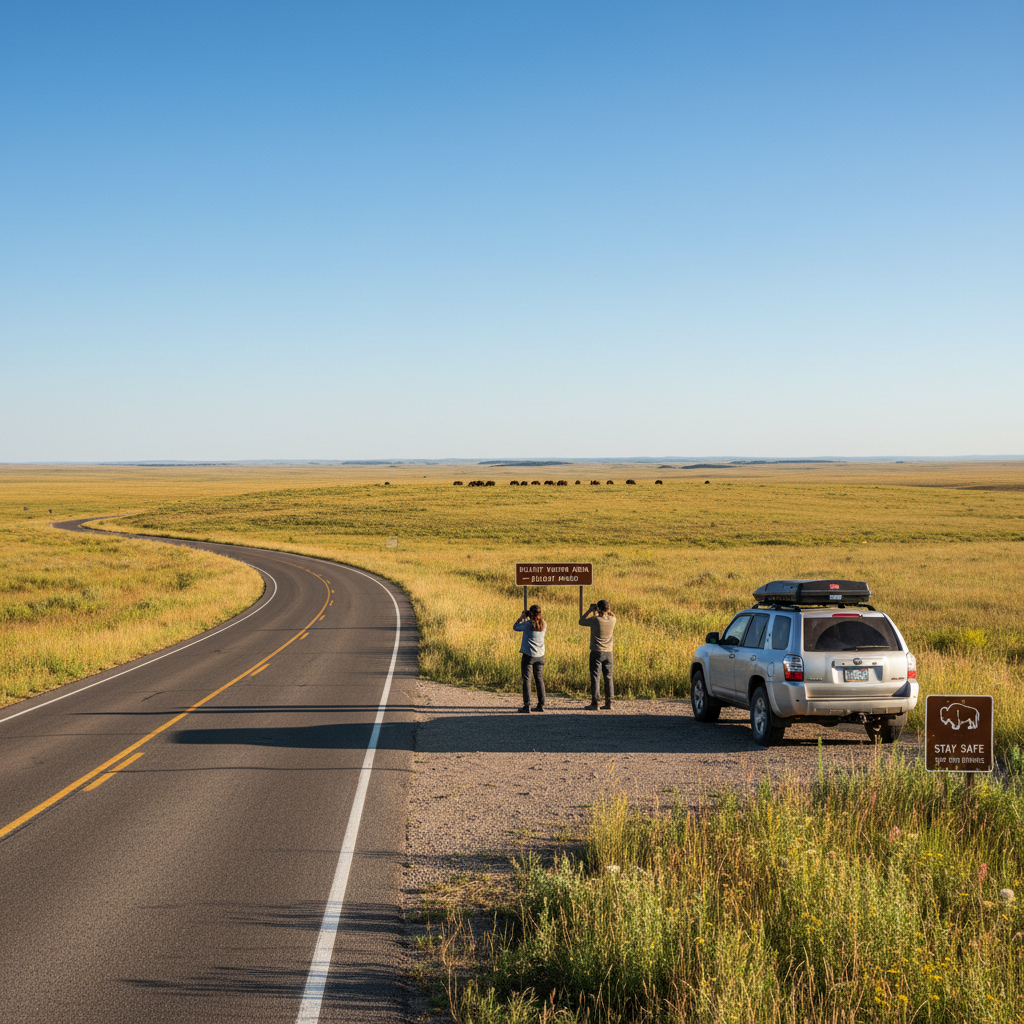
If you travel with a drone, treat it as a no-go around wildlife unless an area explicitly allows it and conditions make it safe and legal. According to the Federal Aviation Administration (FAA), drone operators must follow federal rules, and many public lands add stricter local restrictions.
Practical trip planning: what to pack and how to structure your days
Grassland travel destinations are deceptively intense: wind, sun, dust, and big temperature swings can stack up quickly. Packing well means you stay out longer, and time in the field usually beats “more attractions.”
Don’t overthink it, pack for these realities
- Optics: binoculars (8x or 10x), optional spotting scope if you love distant viewing.
- Sun and wind protection: wide-brim hat, sunscreen, lip balm, light buff or scarf.
- Layers: mornings can be cold even when afternoons run hot.
- Dust management: a simple cloth and a zip bag for lenses, plus extra water for quick rinses if needed.
- Offline navigation: downloaded maps, some prairie units have spotty service.
A simple 2-day itinerary template that tends to work
- Day 1: arrive, visitor center for current wildlife notes, sunset drive loop, mark 2–3 “return spots.”
- Day 2: sunrise loop, slow scanning, midday break, late afternoon repeat your strongest route.
Key point: pick fewer roads and repeat them. Familiarity helps you notice changes, fresh tracks, birds working a specific area, herds shifting with wind.
Common mistakes that reduce sightings (and what to do instead)
- Only traveling mid-day: shift at least one block to dawn or sunset, even on a short weekend.
- Stopping only at “big” overlooks: add smaller pullouts, fence-line edges, and water-adjacent spots where activity concentrates.
- Chasing the crowd: crowds often mean a sighting already ended, ask rangers for general areas and build your own loop.
- Ignoring wind direction: if you keep getting “nothing,” relocate to a leeward side or a sheltered draw where animals rest.
- Getting too close for photos: use zoom, crop later, your best shots come from calm behavior, not proximity.
There’s also a mental trap: people expect constant action. Grasslands can be quiet for stretches, then suddenly everything happens at once, a herd crosses, a hawk dives, prairie dogs pop up. Patience is not optional here.
When to get extra help: guides, ranger programs, and local knowledge
If you only have a day, or you’re traveling specifically for a rare species, local guidance can make the difference between “pretty drive” and meaningful wildlife time. This is especially true for birding hotspots, lekking areas, or seasonal closures.
- Ranger programs: often the best value, plus you learn current conditions and ethics for the site.
- Local guides: useful for photography strategy, dawn access planning, and species-specific spotting, check permits and reviews.
- Visitor centers: ask for “where to be at sunrise” and “what road loop has been active this week,” those questions usually get better answers.
If you have safety concerns, medical questions tied to heat exposure, or you’re managing asthma, severe allergies, or mobility limitations, it’s smart to plan conservatively and consider asking a healthcare professional about your specific situation.
Conclusion: make grasslands feel alive, not empty
Grassland travel destinations reward a certain mindset: fewer checklists, more timing, more scanning, more repeats. When you plan around light, temperature, and habitat edges, wildlife viewing becomes less like gambling and more like a skill you can build quickly.
If you want an easy next step, choose one destination, block off two sunrise windows, and pack optics even if you’re not a “wildlife person.” That small shift usually changes the whole trip.
FAQ
What are the best grassland travel destinations for seeing bison?
Look for places with established herds and clear viewing rules, because predictable management often leads to predictable sightings. Visitor centers can usually tell you which drives have been active recently.
Are grasslands better than forests for wildlife viewing?
Often yes for visibility, because long sightlines help you spot movement. Forests can have more cover and closer encounters, but sightings may feel more random if you’re not used to tracking.
When is the best time of day to spot prairie wildlife?
Dawn and the last couple hours of daylight tend to be strongest, especially in warm months. Midday can still work for raptors and distant herds if you manage expectations and use binoculars.
Do I need a guide for a grassland wildlife trip?
Not usually, but guides can help if your trip is short, your target species is specific, or you want photography coaching. Ranger walks and visitor center tips are a solid middle ground.
What should I bring for wildlife viewing in windy prairie conditions?
Layers, eye protection or sunglasses, and something that blocks wind on your face help more than people expect. For viewing, binoculars and a lens cloth are the small items you’ll be happiest you packed.
Is it safe to hike in grassland areas with bison or other large animals?
It can be, but safety depends on distance, trail rules, and animal behavior. Stay alert, give animals a wide berth, and if you’re unsure about a route on a given day, ask rangers what they recommend.
How do I avoid disturbing wildlife while still getting good photos?
Use a longer lens, stay in your vehicle when permitted, and wait for calm behavior rather than approaching. The best images usually come when the animal forgets you exist.
If you’re planning grassland travel destinations but don’t want to guess on timing, routes, or what’s realistic for a weekend, it can help to map a simple sunrise/sunset loop and build the rest of the trip around those two anchors, it’s the most “low effort, high return” structure in open country.