
Flower festival travel guide planning usually breaks down in the same two places, you arrive a week too early or too late, or you show up at the right time and spend half the day in lines and shoulder-to-shoulder crowds.
This guide is built for real-world trips, how to pick dates when bloom timing is uncertain, how to plan a day that still feels relaxed, and what to book early so you are not stuck with the last pricey hotel 40 miles away.
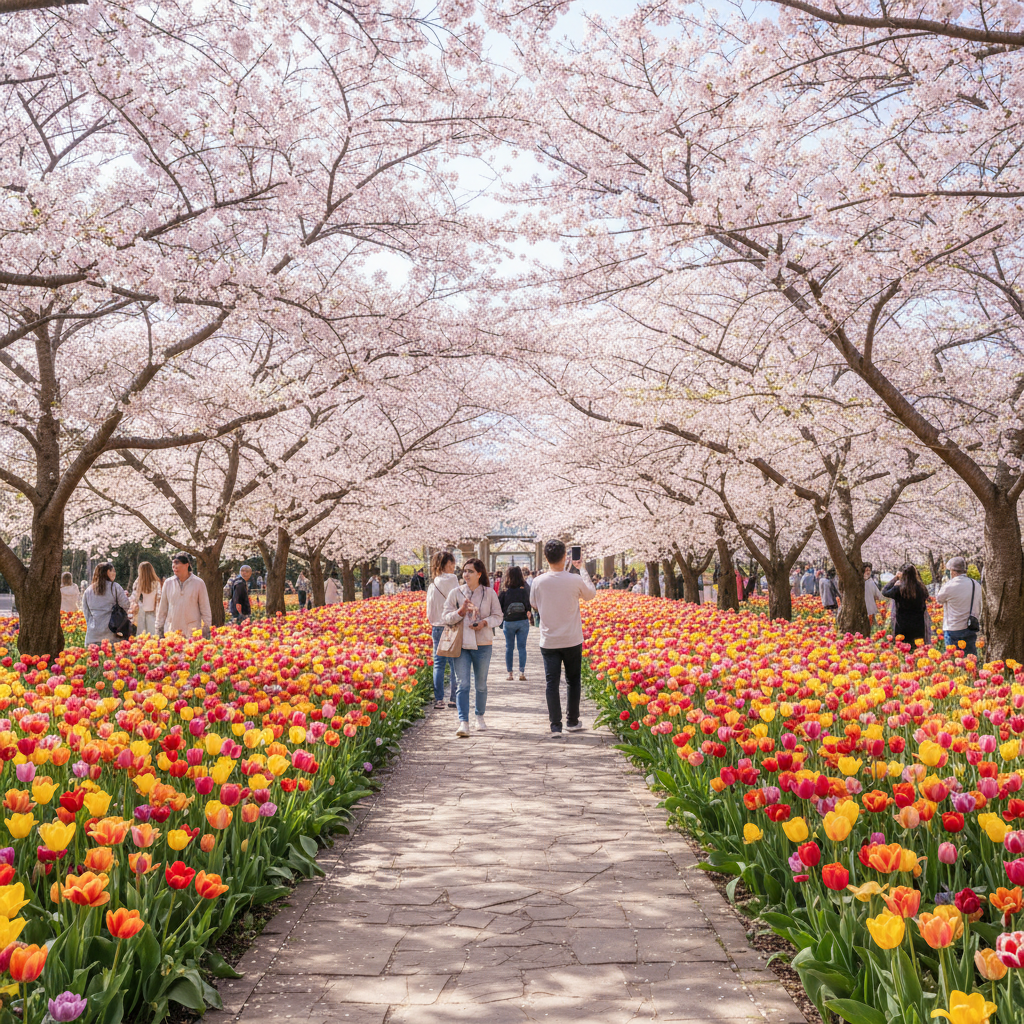
One more thing before you go deep, most festivals market “peak bloom” like it is a fixed date, but weather changes everything, so you want a plan that still works even if the flowers are early, late, or patchy.
Pick the right festival, not just the prettiest photos
A good trip starts with choosing a festival that matches how you actually travel, driving distance, mobility needs, tolerance for crowds, and whether you want a full event lineup or mainly the blooms.
- Local garden festivals usually mean better pathways, clearer bloom labels, and calmer mornings, great for families and older travelers.
- Big city signature festivals bring food, music, and night lighting, but traffic and ticketing can dominate the day.
- Rural farm bloom fields can be stunning for photos, but expect mud, wind, fewer restrooms, and strict “stay on the path” rules.
According to the National Park Service, staying on designated trails protects fragile plants and habitats, that matters at wildflower areas and any place with restoration zones.
Timing blooms when “peak” is a moving target
Bloom timing depends on temperature swings, rain, late frosts, and even microclimates inside the same town. In many cases, you are not choosing a perfect day, you are choosing a smart window.
Use a 3-layer timing check
- Festival updates: look for official bloom reports, live cams, or recent posts with dates attached, not undated highlight reels.
- Local weather pattern: a warm spell often accelerates bloom, a cold snap can slow it, heavy rain can shorten petal life.
- Flex buffer: plan a weekend with one “core day” plus one lighter day, so you can swap based on conditions.
If you are traveling far, book refundable lodging when possible, it costs more sometimes, but it buys you options when nature refuses to cooperate.
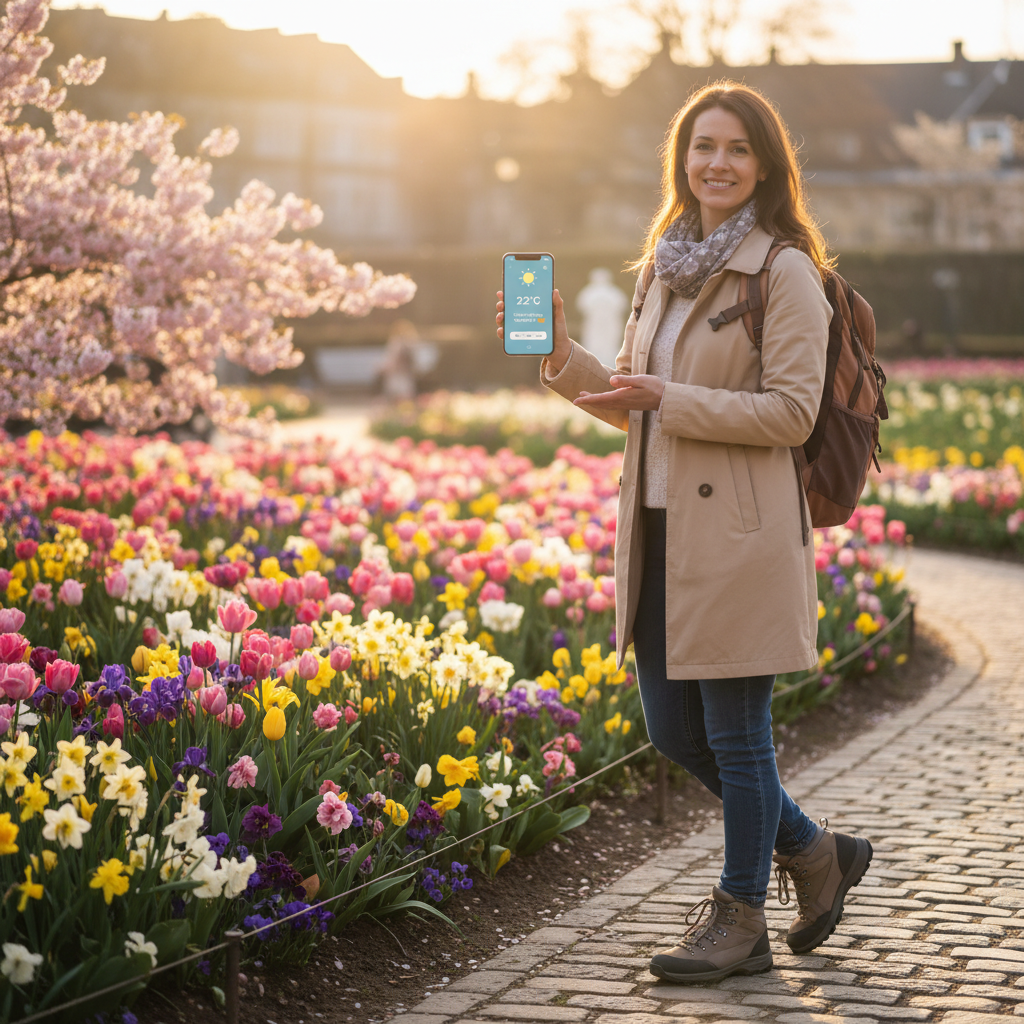
Crowd strategy that does not ruin the vibe
The fastest way to waste a flower day is arriving at the same time as every tour bus. A solid crowd plan feels boring on paper, then you thank yourself on-site.
- Go early: first entry window usually has the best light and the cleanest paths for photos.
- Eat off-peak: early lunch or late lunch, lines at noon can be brutal at popular events.
- Walk “backwards”: start with the farthest garden section first, crowds often build near entrances and iconic spots.
- Weekday math: if you can take one PTO day, Friday or Monday often feels noticeably calmer than Saturday.
For accessibility and safety, check venue maps for shuttle stops, quiet zones, and accessible routes. According to the CDC, staying hydrated and pacing yourself reduces heat stress risk, which can sneak up on you during long outdoor walks.
What to book early: a quick planning table
Some parts of a flower trip are easy to wing, others are the difference between “relaxed weekend” and “why did we do this.” Use this as a simple priority list.
| Item | When to book | Why it matters | Flex tip |
|---|---|---|---|
| Festival tickets / timed entry | 2–6 weeks ahead | Popular slots sell out, early entry saves time | Choose a later slot on Day 1, earlier slot on Day 2 |
| Hotels near venue | 4–10 weeks ahead | Close-in rooms disappear fast during bloom season | Look for free-cancel options, even if slightly higher |
| Rental car / parking pass | 2–8 weeks ahead | Inventory drops and prices rise around spring events | Consider park-and-ride or shuttles if offered |
| Key restaurants | 1–3 weeks ahead | Dinner waits stack up after festival close | Book one “anchor” meal, keep the rest flexible |
Packing and gear: small things that save your day
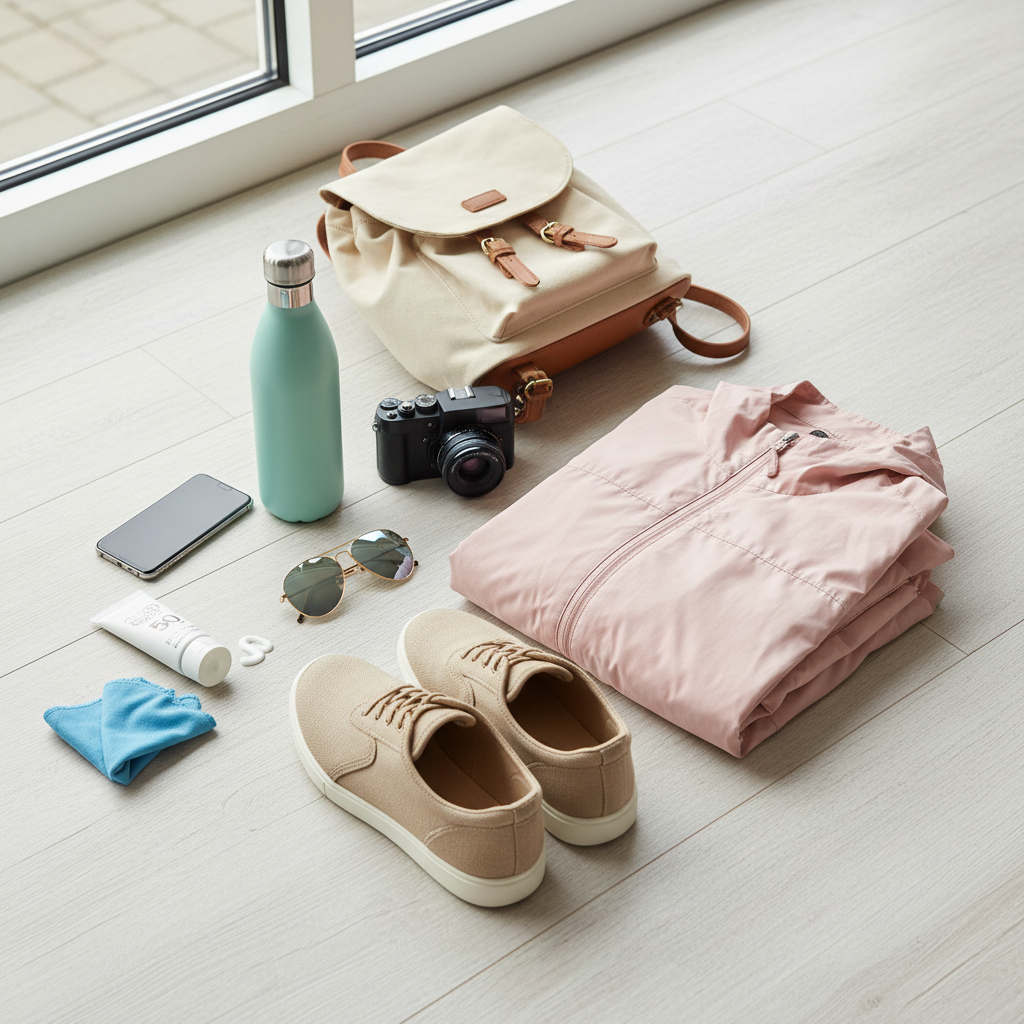
You do not need fancy equipment, but you do need the basics that handle sun, wind, mud, and lots of walking.
- Shoes: closed-toe, grippy soles, especially for farm fields or rainy weeks.
- Layers: mornings can be cold even in warm states, afternoons can swing fast.
- Sun and water: hat, sunscreen, refillable bottle, dehydration sneaks up during photo wandering.
- Allergy prep: if you have seasonal allergies, consider your usual meds and ask a pharmacist or clinician if you are unsure what fits you.
- Photo basics: phone strap or wrist strap, small microfiber cloth, portable charger, flowers look great until your lens has pollen smudges.
On-site etiquette and safety, what experienced visitors actually do
Most rules exist because too many people tried to get the same photo. Follow them and your experience improves, not just the venue’s landscaping budget.
- Do not step into beds or rows, even “just for a second,” it crushes roots and ruins future blooms.
- Watch for bees, they are doing their job, if you have severe allergies, carry what your clinician recommends.
- Keep props simple, big tripods and costume changes can block paths, a small phone tripod used off to the side is usually more respectful.
- Plan a rest reset, sit down every 60–90 minutes, especially if you are with kids or older family.
If weather turns rough, lightning, high winds, or extreme heat, follow venue staff guidance. According to the National Weather Service, thunderstorms can become dangerous quickly, so leaving early is often the safer call.
A simple one-day itinerary you can copy
This is a practical flow that works at many U.S. spring festivals, and it leaves room for bloom surprises.
- 8:00–9:30: arrive, coffee, do the “icon spot” while paths are clear
- 9:30–11:00: walk the outer loops first, take photos, slow down
- 11:00–12:00: gift shop or indoor exhibit, a quiet break helps
- 12:00–1:30: early lunch, hydrate, check afternoon weather
- 1:30–3:30: second garden area or shuttle section, aim for variety of blooms
- 3:30–4:30: final photos, pick-up snacks, leave before exit traffic peaks
Key takeaway: build your day around light and energy, not around trying to see every single bed, most people enjoy it more when they stop chasing “complete.”
Conclusion: make the plan flexible, not perfect
A flower trip feels magical when you treat it like nature, not a theme park schedule, set a bloom window, book the few things that sell out, then keep your day loose enough to follow what looks best in the moment.
If you do one thing this week, pick your top two festival dates and add a backup option, that small step saves the most stress when forecasts shift.
FAQ
How far in advance should I plan a flower festival weekend?
For popular destinations, 4–10 weeks is a comfortable range for lodging and timed tickets, especially if you want to stay close. If you are driving in for a day trip, you can plan later, but still watch ticket requirements.
What if I arrive and the blooms are not at peak?
This happens, even with good planning. Look for mixed gardens, greenhouse areas, art installations, food events, and nearby parks, a flexible itinerary keeps the day enjoyable even if one section blooms late.
Is a weekday really that much better for crowds?
Often yes, though it varies by location and school calendars. If you can go on Friday or Monday, you usually get easier parking and cleaner photo backgrounds, which matters more than people expect.
What should I wear to a flower festival?
Comfort beats style after the first hour of walking. Choose supportive shoes, a light jacket, and sun protection, then add one photo-friendly layer like a simple scarf or neutral jacket color.
Are flower festivals good for kids and strollers?
Many garden-based events work well with strollers, while farm fields can be bumpy or muddy. Check accessibility notes and restroom locations, and plan shorter loops with snack breaks.
How do I get better flower photos without pro gear?
Go early for soft light, wipe your lens, and step to the side so you are not shooting through people. A simple trick, tap to focus on the main bloom and lower exposure slightly, colors often look richer.
Can pollen make me feel sick at these events?
Seasonal allergies can flare, and symptoms vary by person. If you have asthma or severe allergies, it is sensible to plan meds and ask a clinician for personal advice, especially if you travel during high pollen days.
If you are planning a spring weekend and want a more predictable experience, focus on one strong flower festival travel guide plan for timing and crowd flow, then keep a small backup list of nearby gardens, scenic drives, and indoor stops so the trip still feels worth it even if blooms shift.