
Best travel guide for australia 2026 usually comes down to one thing: turning a huge country into a trip that feels doable, not rushed, not confusing, and not full of expensive “why did we book this?” moments.
If you’re traveling from the U.S., Australia can look straightforward on a map, but the reality is distance, weather, and local booking patterns can make or break the experience. You can absolutely do the classics, just do them in the right order and season.
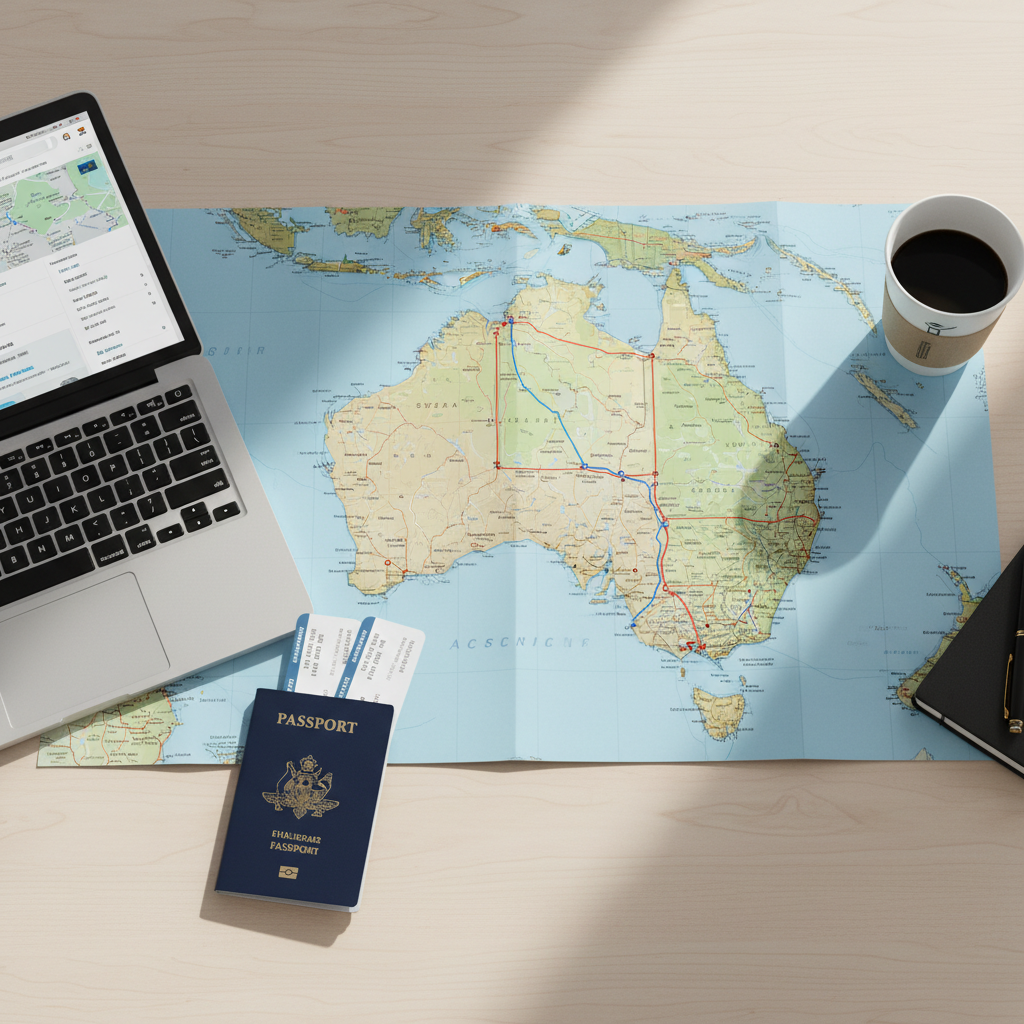
This guide keeps it practical: when to go, how to stitch regions together, what to book early, and what to keep flexible. I’ll also flag the common traps U.S. travelers hit, like underestimating drive times or packing for the wrong climate.
What “best” means for an Australia trip in 2026
There isn’t one perfect itinerary, so a “best” plan is the one that matches your pace, interests, and tolerance for internal flights. In 2026, the basics still matter more than trends.
- Time-on-the-ground vs. transit: Australia rewards slower travel. Too many stops can turn your trip into airport hopping.
- Season and region fit: Northern Australia and southern cities behave like different trips because the climate differs a lot.
- Booking realities: Popular lodges, reef tours, and national park stays can fill quickly in peak windows.
- Comfort with driving: Long drives are beautiful, but fatigue and distance are real factors.
Keep this in mind as you read: the best travel guide for australia 2026 is less about secret spots, more about sequencing and timing.
When to go: seasons, weather, and what changes by region
Picking dates is half the itinerary. Many first-timers assume “Australia is warm,” then land in Melbourne during a cold snap or hit the Top End in oppressive humidity.
According to the Australian Bureau of Meteorology, weather patterns vary significantly across the continent, so check the specific regions you’ll visit rather than relying on a country-wide average.
- Summer (Dec–Feb): Great beach energy in many southern areas, but can bring heat, crowds, and higher prices. Some regions may face fire risk, so stay alert to local advice.
- Shoulder seasons (Mar–May, Sep–Nov): Often the easiest mix of comfortable weather and availability, especially for cities and road trips.
- Winter (Jun–Aug): Ideal for parts of the north in many cases, while the south can feel chilly and windy.
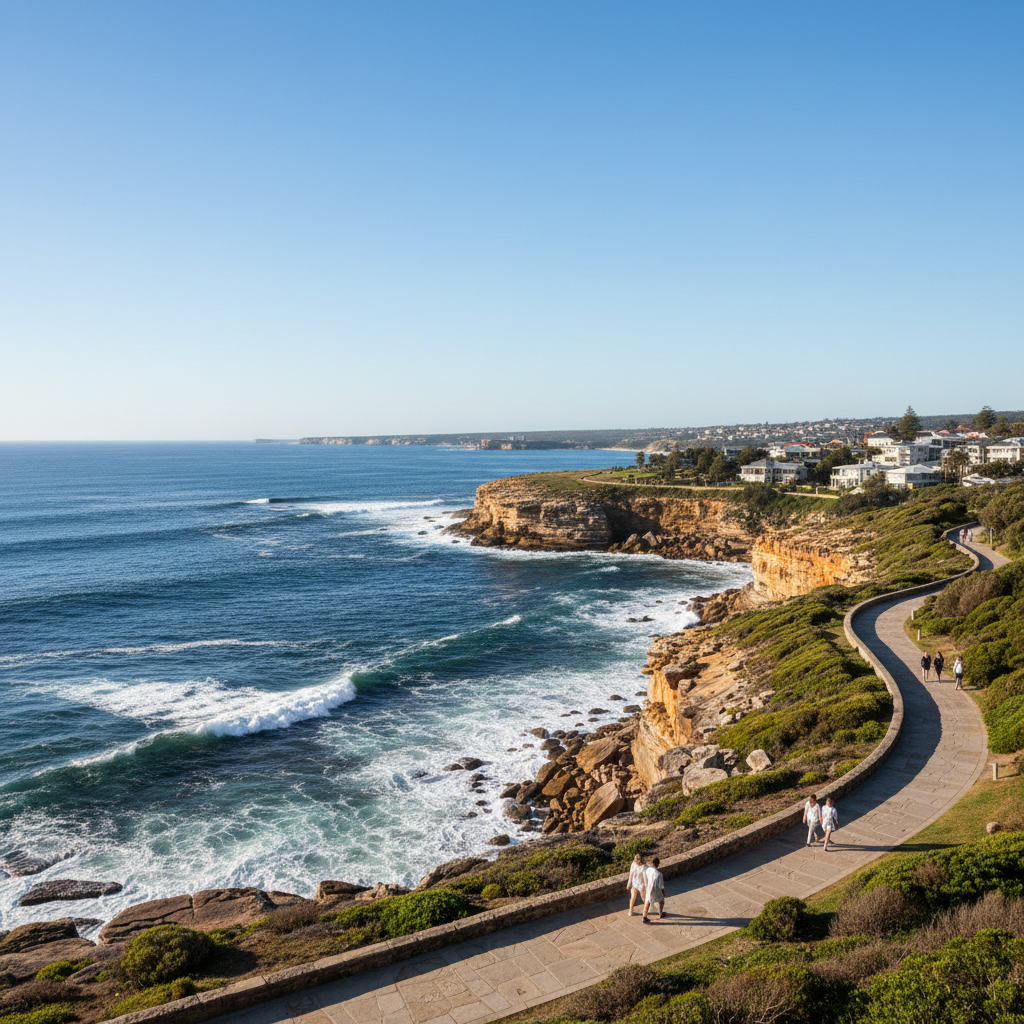
Quick judgment call: if your must-dos include reef time plus southern cities, shoulder season planning usually reduces weather headaches and keeps the itinerary flexible.
Choose your “Australia lane”: 4 realistic trip styles
Australia is not a one-route country. Pick a lane early, it’ll stop you from trying to do Perth, the Reef, Uluru, and Tasmania in 10 days.
1) First-timer classics (balanced)
- Sydney + Melbourne + Great Ocean Road side trip
- Add-on: Cairns for the Great Barrier Reef if you can spare extra days
2) Nature-heavy (reef, rainforests, wildlife)
- Cairns / Port Douglas + Daintree + reef day trips
- Add-on: Brisbane area or the Whitsundays for beach time
3) Outback emphasis (iconic landscapes)
- Uluru + Kata Tjuta + Kings Canyon loop
- Pair with a major city to make flights simpler
4) Road-trip focus (slow travel)
- East Coast segments or Victoria’s coast
- Build in rest days, scenic stops, and early nights
If you’re searching for the best travel guide for australia 2026 because you want “one plan,” your real decision is this lane choice, everything else becomes much easier after that.
Sample itineraries (7, 10, 14 days) with a planning table
These outlines are intentionally conservative. They protect your time and energy, especially after long-haul flights from the U.S.
| Trip Length | Route (example) | Best for | Key booking pressure |
|---|---|---|---|
| 7 days | Sydney (4) + Blue Mountains (1) + Melbourne (2) | First-timers who want cities + one nature day | Harbor experiences, popular restaurants, weekend hotels |
| 10 days | Sydney (3) + Cairns/Port Douglas (4) + Melbourne (3) | Icons + reef without total chaos | Reef boats, accommodation in peak season |
| 14 days | Sydney (3) + Uluru (3) + Melbourne (3) + Cairns (5) | Big highlights with recovery time | Uluru stays and tours, internal flights |
Key point: internal flights often cost less when booked early, but many travelers still keep at least one segment flexible in case weather disrupts reef days or outdoor plans.
Booking and logistics that matter (more than you think)
This is the unglamorous part of the best travel guide for australia 2026, but it’s also where trips get saved or sunk.
- Flight timing: give yourself buffer on arrival day. Jet lag plus long transfers can turn “Day 1 adventure” into a miserable slog.
- Internal flights vs. driving: flying buys time, driving buys scenery. Don’t try to “save money” with a drive that costs two days.
- Accommodation style: city hotels differ from eco-lodges and resort towns, cancellation policies can vary, read the fine print.
- Connectivity: a local SIM or eSIM is usually worth it for maps and booking confirmations on the go.
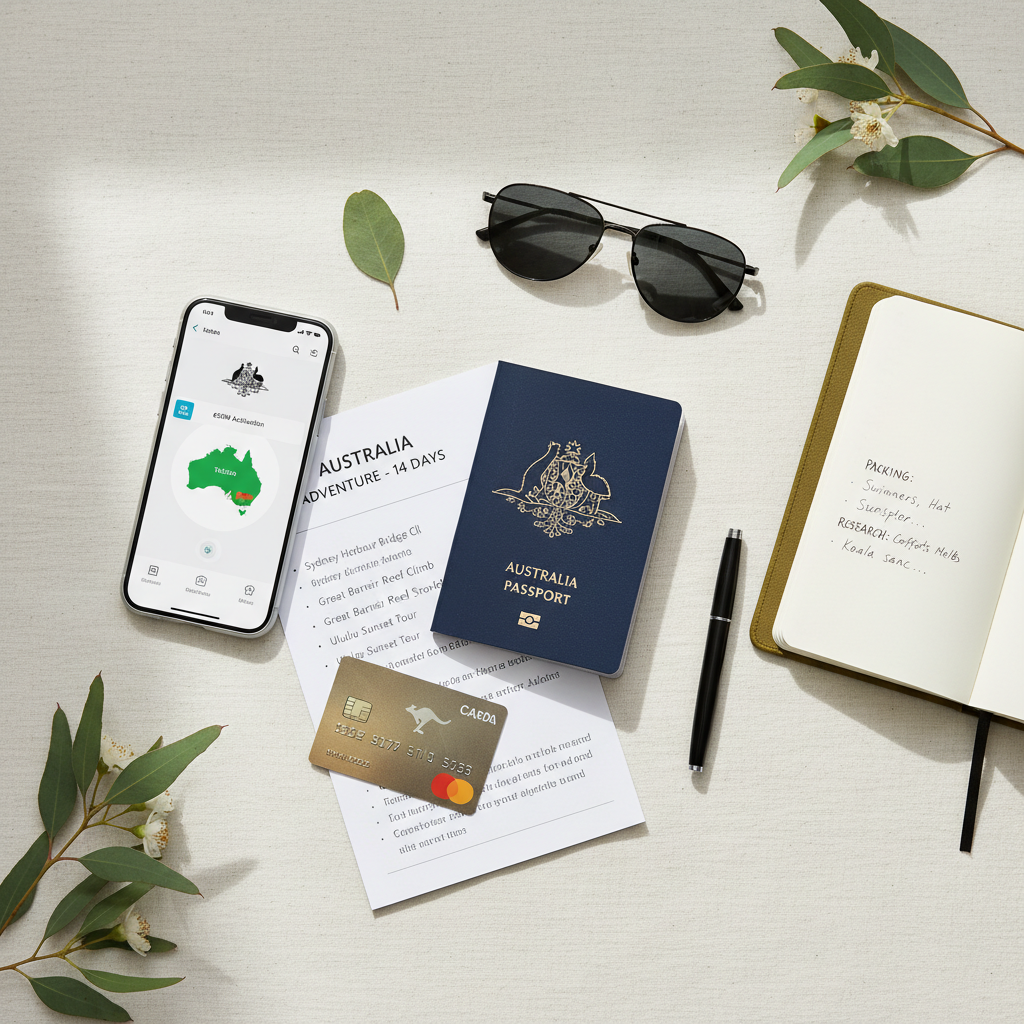
According to SmartTraveller (Australian Government), travelers should stay informed about local conditions and follow official advice, especially around weather events and remote-area travel planning.
Self-check: are you planning too much, too far apart?
If your plan triggers two or more of these, scale back. Most regret comes from distance stacking, not from missing one attraction.
- You have 3+ internal flights in 10 days, plus day trips
- You’re planning to drive “just a few hours” but haven’t checked realistic times with stops
- You have no free half-days, every day starts early and ends late
- Your must-do list includes both reef and outback, but the trip is under 9 days
- You’re mixing climates without packing strategy, like Melbourne + tropical north back-to-back
A calmer itinerary tends to feel more premium even if you spend less, which is a weird but consistent truth.
Practical tips for safety, health, and comfort (without paranoia)
Most trips go smoothly, but Australia is outdoorsy, and a few basic habits reduce avoidable problems.
- Sun and heat: UV can be intense. Use sunscreen, hydrate, and pace hikes; if you have medical concerns, it’s sensible to ask a clinician before strenuous activities.
- Ocean conditions: swim where it’s patrolled, respect flags, and skip risky spots when conditions look rough.
- Wildlife and distance: don’t treat remote drives like a casual commute. Tell someone your route, keep extra water, and follow local guidance.
- Insurance mindset: travel insurance varies widely, so compare what’s actually covered for delays, medical care, and activities.
None of this is meant to scare you, it’s just what experienced travelers quietly do while everyone else hopes for the best.
Action plan: how to build your 2026 Australia itinerary in 60 minutes
If you want an easy workflow, here’s a simple build process that usually gets you to a realistic plan fast.
- Step 1: pick 2 regions max for 7–10 days, 3 regions max for 14 days
- Step 2: lock the “fixed” experiences first, like Uluru tours or multi-day reef plans
- Step 3: place flight days, then add rest buffers around them
- Step 4: add 1 flexible half-day every 3–4 days for weather, laundry, or just breathing room
- Step 5: only then fill in restaurants, museums, and short tours
Key takeaways: choose a lane, match season to region, reduce transit, and book the scarce items early. Do that, and the best travel guide for australia 2026 becomes something you actually use, not something you skim.
Conclusion: make it big, but keep it livable
Australia rewards you when you stop trying to “cover” it and start trying to experience it. A good plan leaves room for weather shifts, jet lag, and the random moment you decide to stay longer at the beach because the day feels right.
If you only do two things next, pick your travel lane and your season, then draft a route with fewer moves. That’s the fastest way to turn planning into a trip you’ll genuinely enjoy.
If you need a more tailored best travel guide for australia 2026, bring your trip length, budget range, and top priorities, then build around constraints instead of wishes, your future self will thank you.