
Best travel sunscreen for face 2026 usually comes down to three things that matter more on the road than at home: it has to feel good on your skin, play nicely with sweat and makeup, and fit real travel constraints like TSA sizes and reapplication hassles.
If you have ever bought a “top-rated” SPF and then left it in the hotel because it pilled under moisturizer, stung your eyes on a hike, or leaked in your bag, you already know the problem. A travel face sunscreen is a performance product, not just a skincare step.
This guide is built around practical selection, not hype: what to look for on the label, how to match SPF format to your itinerary, and a short comparison table so you can decide fast. I’ll also flag common mistakes that make people think sunscreen “doesn’t work,” when the real issue is application.
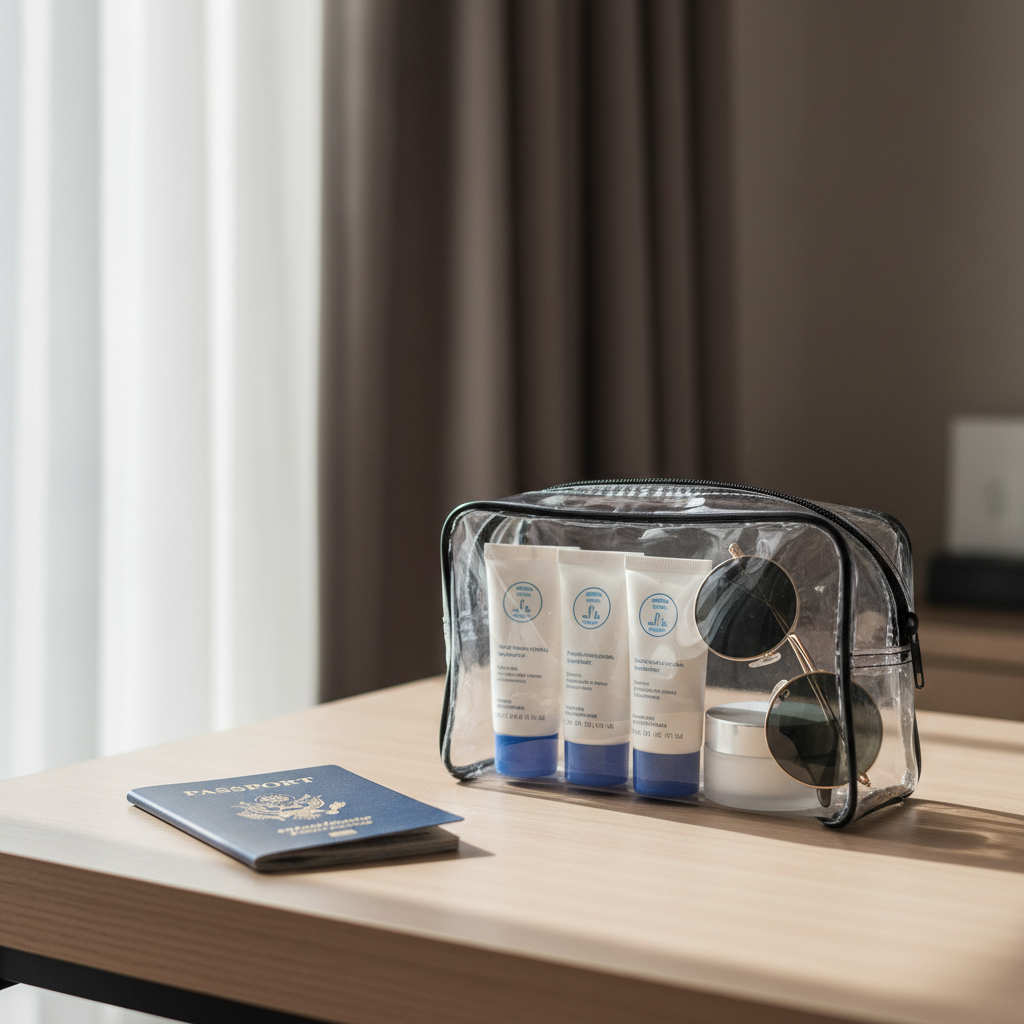
What “best” means for a travel face sunscreen in 2026
For most travelers, “best” means you will actually use it consistently. That usually requires a sunscreen that disappears on the face, stays put, and does not create new problems like breakouts, burning, or white cast in photos.
- Comfort: lightweight, non-greasy finish, minimal eye sting, low pilling under skincare or makeup.
- Reliability: broad-spectrum protection and enough water resistance for your plan, even if you sweat or swim.
- Practical travel fit: leak-resistant packaging, TSA-friendly size, easy reapplication option for days out.
According to the American Academy of Dermatology (AAD), broad-spectrum sunscreen with SPF 30 or higher and water resistance helps protect skin from UV damage, and reapplication matters as much as the product choice.
Quick comparison: pick a format that matches your trip
Instead of chasing one mythical “perfect” bottle, choose the format that fits your schedule and tolerance. A beach week and a city-break with museums have different friction points.
| Format | Best for | Why it works while traveling | Watch-outs |
|---|---|---|---|
| Cream/Lotion (tube) | Most skin types, longer wear | Easy to apply enough product, usually best value | Can pill if layered too fast, can leak if cap is weak |
| Fluid/Essence | Oily or combo skin, humid climates | Thin texture, often makeup-friendly | Easy to under-apply, some formulas sting eyes |
| Mineral tinted | Sensitive skin, post-procedure care | Usually gentler, tint can reduce white cast | Shade match varies, may feel heavier in heat |
| Stick | Reapplication on-the-go, kids’ faces | Mess-free, great for around eyes and nose | Needs multiple passes to reach full coverage |
| Powder SPF | Touch-ups over makeup | Low mess, reduces shine | Often insufficient as primary sunscreen |
Key point: if you only want one item, a tube or fluid you like wearing daily beats a “perfect” sunscreen you avoid.
Ingredients and filters: how to choose without getting lost
Most of the confusion comes from filters. You do not need to memorize them, but knowing a few patterns helps you avoid irritation and white cast surprises.
Mineral vs chemical: what travelers actually notice
- Mineral filters (often zinc oxide, titanium dioxide): many people with reactive skin find these easier to tolerate, and they can be a safer bet if you have had stinging in the past. White cast is the common complaint, tint can help.
- Chemical filters (various UV absorbers): often feel lighter and clearer on skin, which is great for humid climates and frequent reapplication. Some formulas can sting eyes or irritate very sensitive skin.
If you have eczema, rosacea, or are using prescription acne products, irritation risk can be higher, and it may be worth asking a dermatologist what to prioritize for your skin barrier.
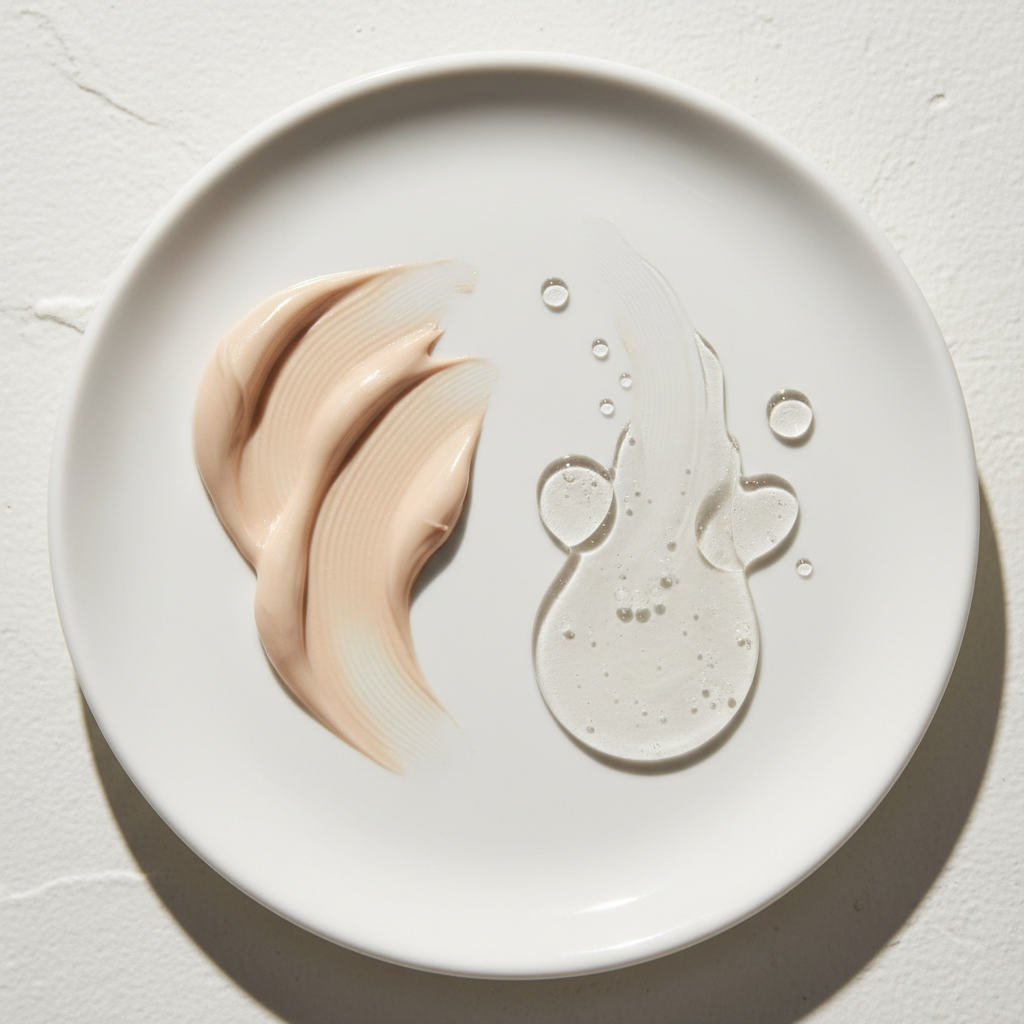
Label cues that matter more than marketing claims
- Broad Spectrum: indicates UVA and UVB coverage in the U.S. labeling system.
- SPF 30–50: for most days, SPF 30+ is the baseline many dermatology groups recommend; higher SPF can be helpful if you under-apply or expect intense sun, but it is not a free pass.
- Water Resistance 40 or 80 minutes: choose based on sweat, swimming, and humidity.
- Fragrance-free: often (not always) a safer bet for sensitive skin.
How to pick the right sunscreen for your skin type (and your itinerary)
Here is a quick “matchmaking” section. This is where the best travel sunscreen for face 2026 becomes personal, because the wrong finish or the wrong feel is what leads to skipped reapplication.
If you get oily fast or you travel in humidity
- Look for lightweight fluid, gel-cream, or “dry-touch” finishes.
- Consider a matte or oil-control claim, but still patch test, some can feel drying.
- Plan a mid-day reapply strategy: stick for perimeter, lotion for full face if possible.
If you are dry, dehydrated, or flying a lot
- Choose a creamier lotion that doubles as a daytime moisturizer.
- Prefer formulas with barrier-support ingredients (for example glycerin or ceramides), though the exact mix varies by brand.
- Give layers time: moisturizer, then sunscreen, then makeup if you wear it.
If you are sensitive, sting easily, or break out
- Start with fragrance-free options and avoid “tingly” formulas.
- Mineral or tinted mineral can be a calmer choice for some people, but acne-prone skin sometimes dislikes heavier textures, so patch testing still matters.
- When in doubt, choose fewer extras, fewer actives, simpler base.
Travel-proof application: the part most people get wrong
Even the best travel sunscreen for face 2026 will underperform if you apply too little or skip reapplication. This is also where travel routines break: long walks, airport runs, outdoor dining, sudden beach stops.
Use enough (without overthinking it)
- Face + neck: many dermatologists teach the “two-finger” method for face/neck coverage, though finger size and product spread vary, so treat it as a practical starting point.
- Do not forget easy-miss zones: hairline, ears, eyelids (if tolerated), sides of nose, under jaw.
Reapply with a plan
- Every 2 hours is a common guideline for strong sun exposure, and sooner if you sweat heavily or swim.
- If you wear makeup, reapplication is the real pain point. Many people do best with a two-product setup: a primary lotion in the morning, then a stick or light layer for touch-ups.
- According to the U.S. Food & Drug Administration (FDA), reapplication is important for maintaining protection, especially after sweating or water exposure.
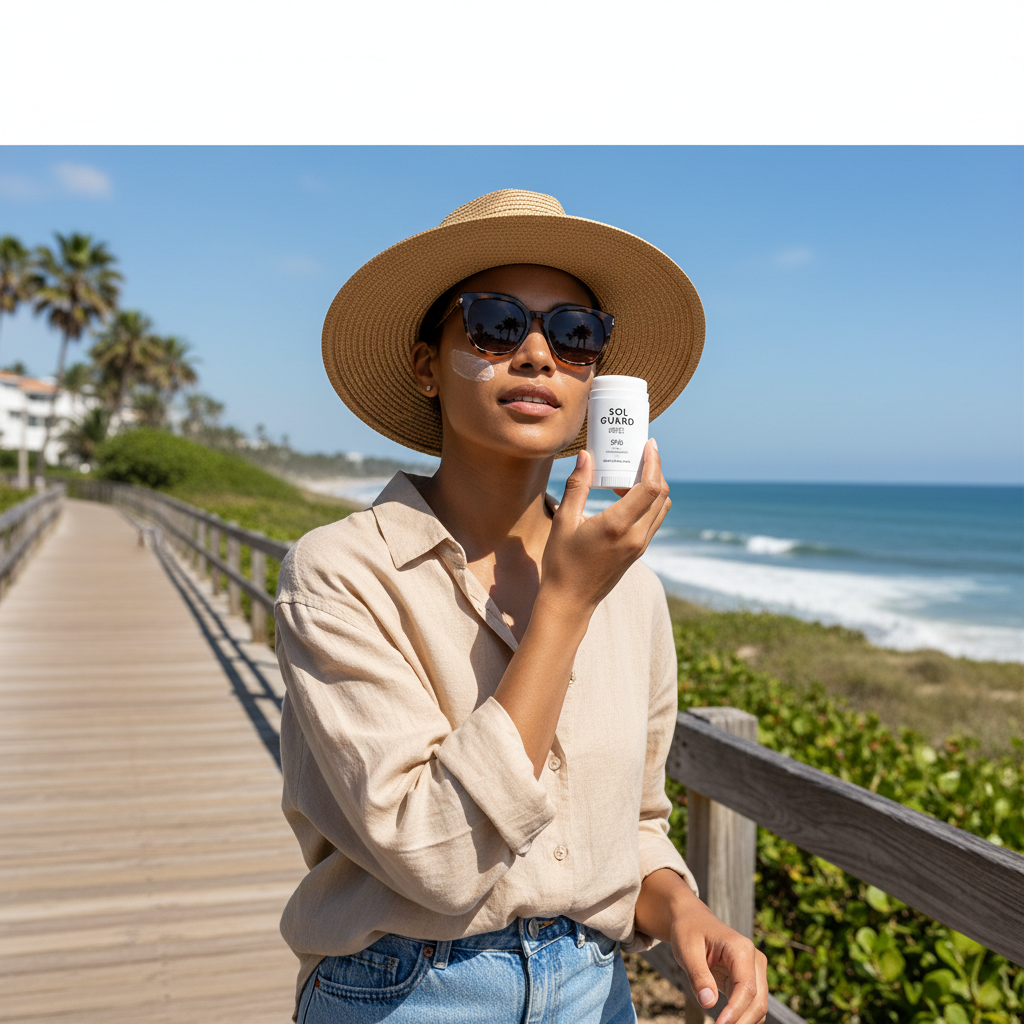
Pack and carry tips: TSA, leaks, and “I forgot it in the room” problems
Travel sunscreen fails for boring reasons: you cannot find it when you need it, or you do not want to deal with the mess. Fix the logistics and your consistency improves.
- Go leak-resistant: tubes usually travel better than pumps, and a small zip bag inside your toiletry kit can save your clothes.
- Keep one in your day bag: if your sunscreen lives in the bathroom, it will not help at noon.
- TSA sizing: for carry-on, keep liquids within current TSA limits; if you check a bag, you can bring full-size and refill a travel tube for daily carry.
- Heat reality: do not leave sunscreen baking in a car. Extreme heat can affect texture, separation, and user experience, even if the label does not scream about it.
Common mistakes that make “great” sunscreens feel bad
Most complaints trace back to layering, timing, or mixing incompatible products, not that sunscreen is inherently awful.
- Pilling under makeup: usually too many layers too fast, or silicone-heavy products stacked together. Give each layer a couple minutes, and use less moisturizer if your sunscreen already hydrates.
- Eye sting: can happen with some chemical filters or if you apply too close to lash line. Try a stick or mineral formula around eyes, and keep sweat management in mind.
- White cast in photos: more common with mineral formulas and flash photography. Tint can reduce this, and applying in thin layers helps.
- Breakouts: could be occlusive texture, fragrance, or just more product than your skin tolerates in humidity. A lighter base plus consistent cleansing often works better than “stronger” actives while traveling.
Conclusion: a simple way to choose your 2026 travel face SPF
If you are stuck, choose a broad-spectrum SPF 30+ you enjoy wearing, pack it in a leak-safe size, and set up a reapplication method you will actually do. That combination is what usually makes the best travel sunscreen for face 2026 feel like a smart purchase instead of another abandoned tube.
Action steps: pick your primary morning sunscreen (tube or fluid), add a low-fuss reapply option (stick works for many people), and patch test before a big trip, especially if your skin reacts easily.
If you have a history of sun-triggered pigmentation, melasma, or photosensitivity from medications, it may be worth checking in with a dermatologist for personalized guidance, because “travel routines” can change exposure more than you expect.