
Best travel tips for family with toddler usually come down to one thing: reduce surprises for your child and reduce decisions for you, especially on travel days when everyone runs on less sleep and more emotions.
If you have ever packed “just in case” and still ended up buying wipes at the airport or searching for a late-night pharmacy, you already know why toddler travel feels different. Their needs change fast, their tolerance for waiting is short, and one missed nap can ripple through the whole day.
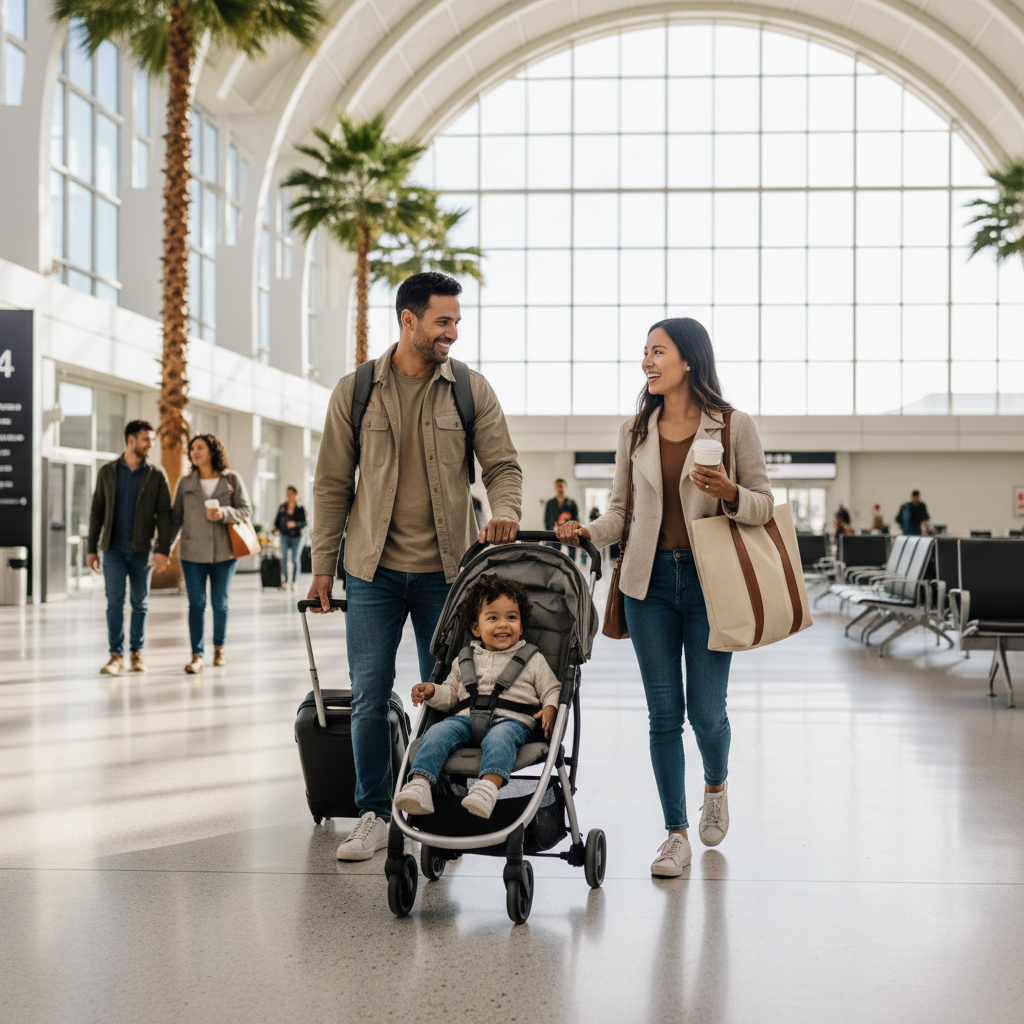
This guide focuses on what tends to work in real situations: how to plan around naps, how to pack without overpacking, what to do on planes and road trips, and how to handle sleep in a new place. You will also get a quick checklist and a practical table you can copy into your notes.
Plan around your toddler’s “non-negotiables”
The biggest win is often not a fancy itinerary, it is protecting a few anchors: sleep windows, food timing, and familiar comfort items. When those stay stable, everything else becomes more flexible.
- Build a nap-first schedule: choose one main activity per day and place it between typical nap times.
- Keep meals predictable: pack a few safe snacks so hunger does not turn into a meltdown in a line.
- Limit hotel hopping: fewer room changes usually means faster bedtime and fewer night wake-ups.
- Shorten travel days: if you must do a long day, plan a “reset” morning the next day.
Many families try to “power through” because they paid for tickets, but toddlers rarely cooperate with sunk costs. A slower pace often makes the trip feel longer in a good way.
A packing system that prevents overpacking (and panic)
Packing for a toddler can balloon fast, so use a system that separates essentials from “nice to have.” If luggage gets lost or a bag ends up in the trunk under everything, you still want to function.
The 3-bag approach
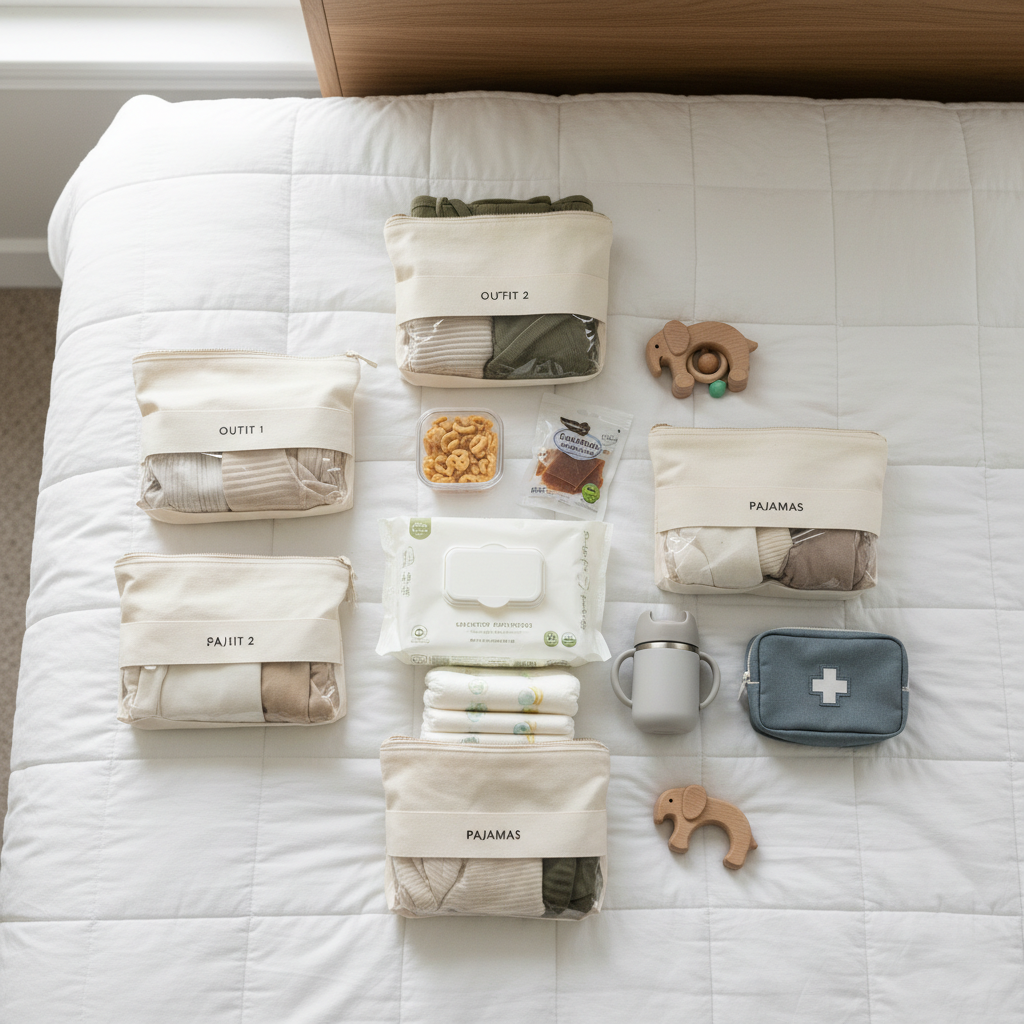
- Parent day bag: diapers, wipes, change of clothes, snacks, water, basic first-aid, hand sanitizer.
- Toddler comfort kit: lovey, pacifier if relevant, small book, a couple of familiar toys, bedtime item.
- Backup mini-kit (in a different bag): 2 diapers, travel wipes, one snack, one outfit, small trash bag.
For clothes, many parents do better with outfits in zip bags (one bag per outfit) than with loose stacks. It sounds fussy until you need a clean set in a cramped bathroom.
Flights: make the plane time boring, not “special”
On flights, many families accidentally set expectations too high by trying to entertain nonstop. Counterintuitively, a calm, repetitive routine helps more than novelty.
According to the Federal Aviation Administration (FAA), children should be properly restrained during flight, and the FAA generally encourages using an approved child restraint system when appropriate. If you are unsure what is allowed for your child’s seat, check your airline policies and the car seat label before the trip.
What to do before boarding
- Board with intention: if your toddler needs to move, boarding last can reduce “seat time.” If you need setup time, boarding early helps. Choose based on your child.
- Save a surprise: one new small item (stickers, Water Wow-style book, mini cars) can buy you 20 minutes when you really need it.
- Pack for pressure changes: water, milk, or a snack to chew during ascent and descent may help ear discomfort.
During the flight
- Rotate activities: 10–15 minute blocks work better than “one big activity.”
- Skip messy snacks: choose low-crumb options when you can, it keeps cleanup from becoming a second job.
- Use screen time strategically: it is a tool, not a parenting philosophy exam.
If you are looking for best travel tips for family with toddler specifically for planes, this is the core: reduce waiting, reduce clutter, and keep the tone low-key.
Road trips: predictability beats speed
Road trips often feel easier because you control the environment, but long stretches can still backfire. The trick is to plan breaks before your toddler “earns” them by melting down.
- Stop every 2–3 hours for a short movement break, even if things seem fine.
- Front-load driving time if your toddler sleeps well in the car, but avoid arriving at bedtime with no dinner plan.
- Keep a “car-only” toy bin so items stay novel.
- Bring a spill plan: paper towels, wet bag, extra shirt for you, not just the toddler.
One honest note: if your child gets carsick, talk with a pediatrician for guidance, especially before using any medication. For many kids, fresh air breaks, lighter snacks, and avoiding screens in the car can help, but responses vary.
Sleep on the road: protect bedtime cues, not perfection
Sleep is where trips often fall apart, and it is rarely because parents “did it wrong.” New sounds, new light, new layout, it all adds up. Your goal is to recreate a few familiar cues.
- Bring a familiar sleep item: sleep sack, lovey, white noise, or a small blanket if age-appropriate.
- Control light: travel blackout panels or even clipped towels can help when curtains are thin.
- Do the same 3-step routine: bath or wipe-down, book, lullaby, whatever your home pattern is.
- Aim for “good enough” naps: stroller nap or car nap can be the bridge that saves the evening.

If you are sharing a room, consider a visual barrier (a slumber pod-style cover where safe, or a sheet setup that does not block airflow) so you are not “performing bedtime” in the dark.
Quick self-check: what kind of toddler traveler do you have?
Not all toddlers struggle in the same places, so tailor your plan. This mini checklist helps you decide what to prioritize.
- Sleep-sensitive: one missed nap leads to a rough evening, prioritize naps and early dinners.
- Movement-seeker: hates being confined, build in playground time and aisle walks.
- Snack-driven: mood drops fast when hungry, carry more “safe foods” than you think you need.
- Change-resistant: new beds and new routines trigger tears, pack familiar cues and keep bedtime consistent.
Knowing which bucket fits your child makes best travel tips for family with toddler feel less generic, because your packing list and daily rhythm can match the real problem.
What to book (and what to avoid): a practical table
Hotels, rentals, and flights all look similar online, then reality hits. Use this table as a filter before you click “confirm.”
| Trip element | Often works well | Usually creates friction | What to check |
|---|---|---|---|
| Where to stay | Kitchenette, separate sleeping area | Studio with bright street noise | Photos of windows, floor plan, reviews mentioning noise |
| Location | Walkable to a park or open space | Only accessible by long drives | Nearby playgrounds, grocery distance, sidewalk quality |
| Flight times | Matches nap window or early morning | Late evening arrival with long transfer | Total door-to-door time, not just flight duration |
| Transportation | Rental car with car seat plan | Uncertain car seat availability | Car seat policy, ride-share rules, installation comfort level |
Common mistakes that waste effort (and how to avoid them)
A few patterns show up again and again, even among experienced parents. Fixing these usually makes travel feel 30% easier without adding new gear.
- Over-scheduling: two big activities in one day sounds fine on paper, but toddlers often need long reset time.
- Buying all new “travel gadgets”: one or two helpful items can matter, but too much new gear adds setup and clutter.
- Skipping the grocery plan: landing late with no breakfast options creates a rough next morning.
- Assuming nap will “just happen”: many toddlers need a wind-down routine even away from home.
According to the Centers for Disease Control and Prevention (CDC), proper car seat use is an important safety measure for children. Since rules and recommendations can vary by age and size, it is smart to review current guidance and ask a qualified professional if you feel unsure about setup.
Step-by-step: a simple travel-day routine you can copy
If you only take one practical routine from this article, make it this one. It keeps you from making ten decisions per hour.
- Night before: pack outfits and the comfort kit, confirm chargers, stage snacks, fill water bottles if allowed.
- Morning of: breakfast you know your toddler eats, quick outside time if possible, then diaper change right before leaving.
- In transit: rotate snack, activity, movement break; avoid introducing a brand-new food or toy all at once.
- Arrival: set up sleep space first, then groceries or a simple dinner, then one calm activity.
These steps sound basic, but many families miss the “sleep space first” move, then everyone gets a second wind and bedtime slides into chaos.
Key takeaways (save this)
- Plan around naps and meals more than attractions, toddlers cope better when basics stay steady.
- Pack by systems, not by fear, keep a backup mini-kit separate.
- Choose boring routines on flights and in cars, novelty works best as a backup, not the main plan.
- Set up sleep first after arrival, bedtime cues travel better than strict schedules.
Conclusion: make it easier on purpose
The point of best travel tips for family with toddler is not to create a picture-perfect vacation, it is to make the predictable parts predictable so you can enjoy the good surprises. If you are planning your next trip, pick two upgrades that matter most for your child, usually sleep and snacks, then build the rest around that.
For your next step, draft a one-day “nap-first” itinerary and a three-bag packing list, then run a quick practice at home by doing a half-day outing with the same gear. You will spot the weak points before you are 2,000 miles away.