
best travel guide for portugal 2026 is less about hype and more about avoiding the small planning mistakes that cost you time, money, and sleep once you land.
Portugal looks “easy” on paper, compact country, good transit, lots of English in tourist areas, but the real friction shows up in shoulder-season weather surprises, sold-out attractions, and underestimating travel times between regions.
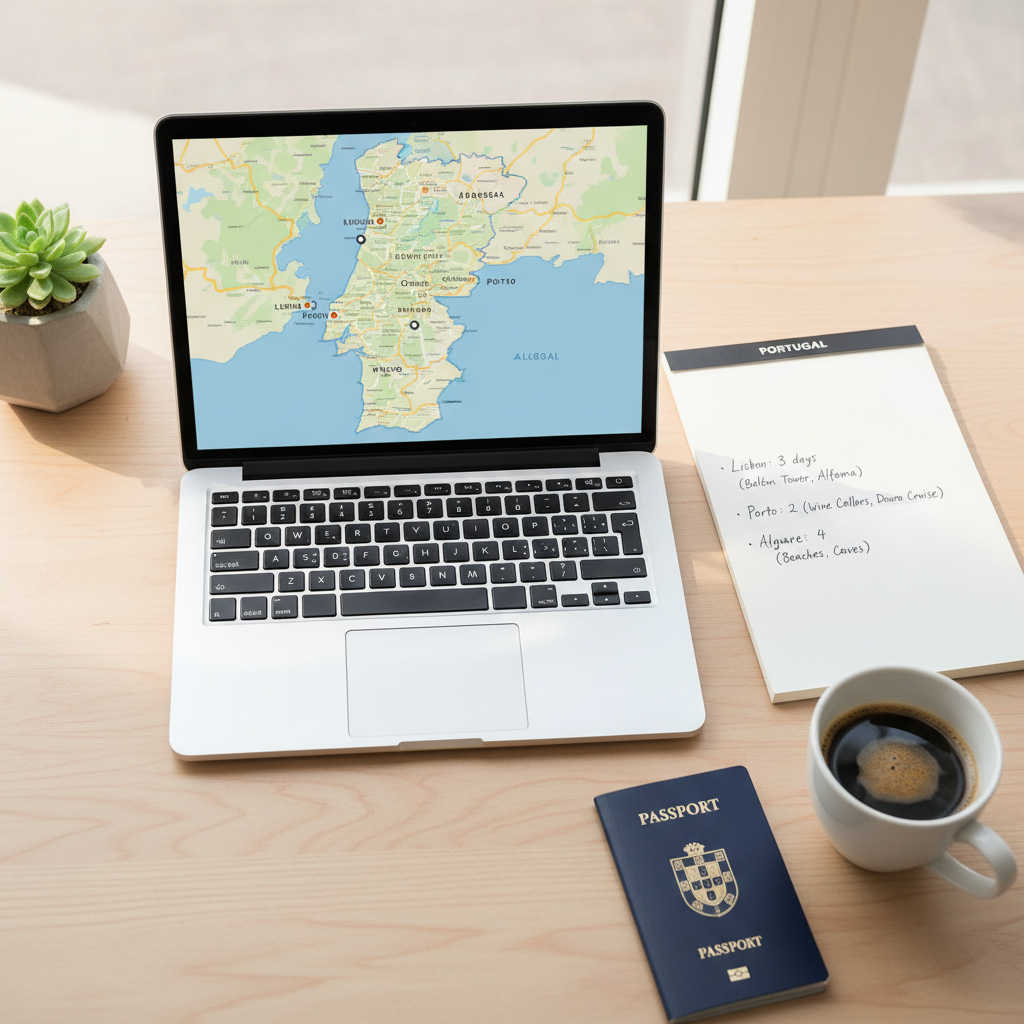
This guide stays practical: when to go, where to base yourself, how to build an itinerary that fits your pace, and what to book ahead so you’re not refreshing ticket sites at midnight.
How to choose the right time to visit Portugal in 2026
If your schedule is flexible, picking your dates well does more for your trip than obsessing over a “perfect” itinerary.
- Spring (Mar–May): Usually comfortable for city walking and day trips, with fewer crowds than summer. Ocean towns can still feel cool and breezy.
- Summer (Jun–Aug): Peak demand, higher prices, and busy coastal areas. Inland spots can run hot, so midday pacing matters.
- Fall (Sep–Oct): A sweet spot for many travelers, warm water lingers in some regions, and the crush eases after August.
- Winter (Nov–Feb): Great for Lisbon and Porto if you’re fine with rain and shorter days, and it’s often easier on the wallet.
According to Portugal Tourism (VisitPortugal), seasonality varies by region, with coastal and island destinations peaking in summer while cities spread demand more evenly across the year. That’s a polite way of saying: Algarve beach towns can feel packed, while Lisbon can feel lively year-round.
Where to go: regions that match different travel styles
Portugal rewards travelers who pick 2–3 bases and explore out from each, instead of bouncing hotels every night.
Lisbon area
Best for first-timers who want neighborhoods, viewpoints, museums, and easy day trips. Sintra is popular for a reason, just plan it like a theme park day, early start, prebook what matters.
Porto and the North
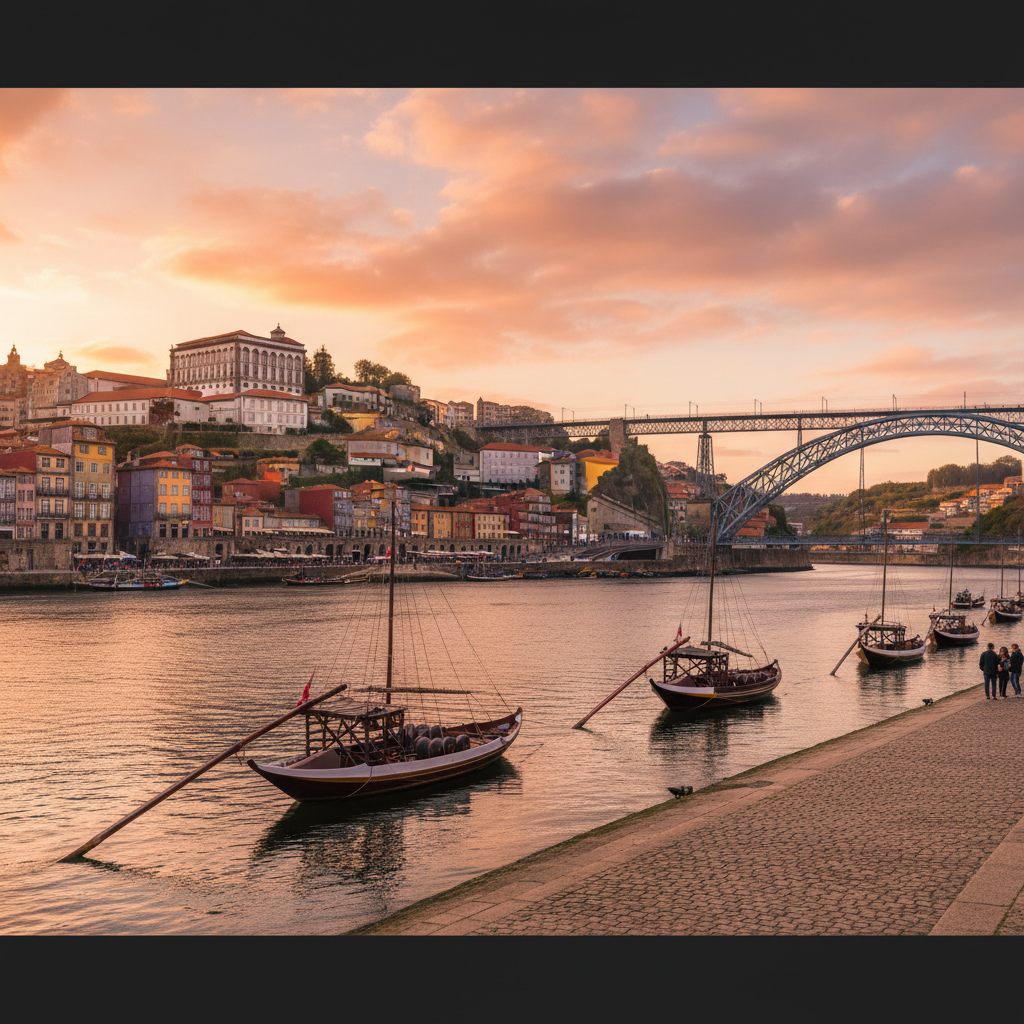
Porto has a more compact, walkable center, plus great food-and-wine day trips. The Douro Valley can be done independently, but guided options reduce logistics if you’re short on time.
Algarve
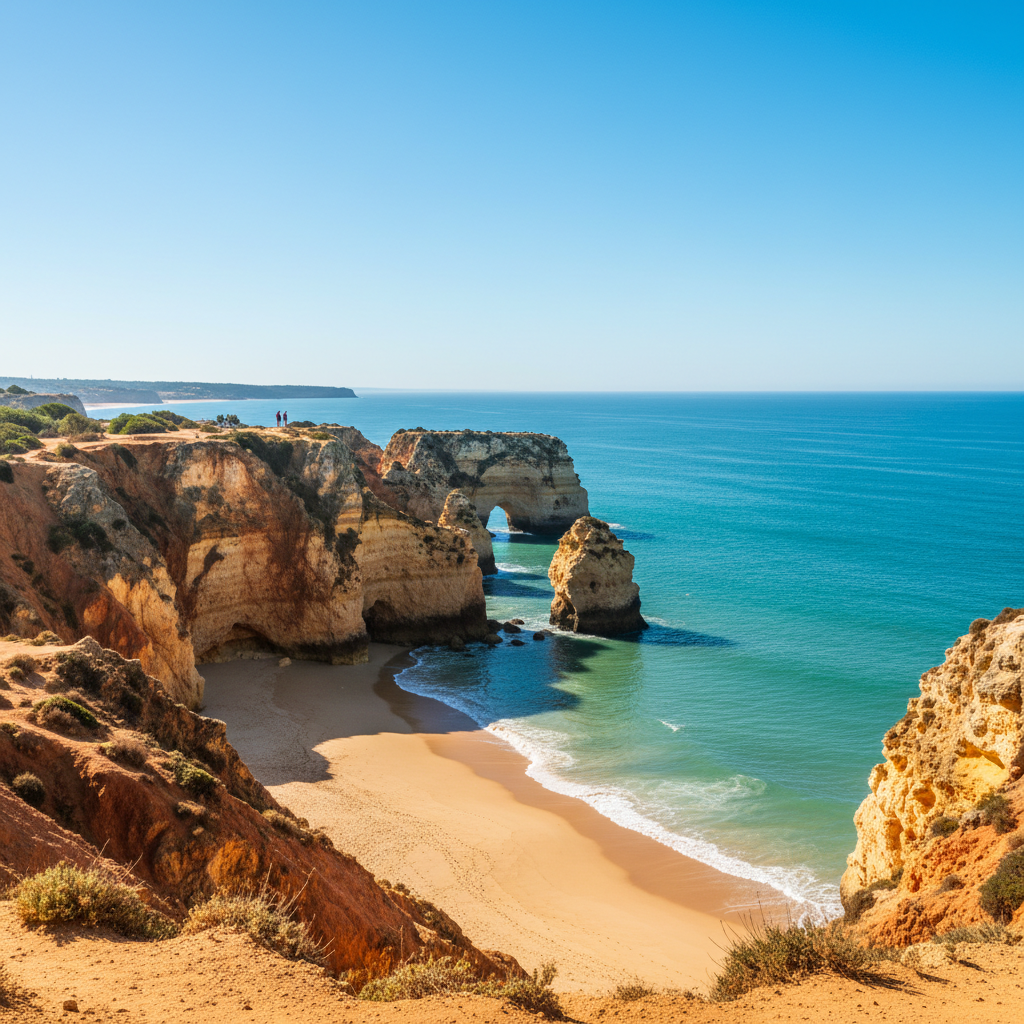
Best for beach time, cliffs, and boat trips, but it’s not one single vibe. Some towns skew resort-heavy, others feel quieter and more local depending on season.
Madeira and the Azores
For nature-forward trips, these islands can be the highlight. Weather shifts quickly, and hikes may require flexibility, so don’t build a plan where every day depends on perfect visibility.
A realistic planning framework (so your itinerary doesn’t collapse)
Most people don’t need a complicated spreadsheet, they need a few firm anchors and a lot of breathing room. Use this sequence and you’ll usually avoid the common traps.
- Step 1: Choose 2 bases for a 7–10 day trip (example: Lisbon + Porto, or Lisbon + Algarve).
- Step 2: Decide your “must-book” items (popular palaces, specific tours, certain trains).
- Step 3: Add day trips only after you check transit times and opening days.
- Step 4: Leave 1 flexible half-day per base for weather, jet lag, or a spot you didn’t expect to love.
If you’re using the best travel guide for portugal 2026 as a checklist, make “pace” your priority metric, not the number of cities you can name-drop.
Sample itineraries you can copy (and adjust)
These are intentionally not packed minute-to-minute, because Portugal is at its best when you can linger a bit.
7 days: Lisbon + Porto (classic first trip)
- Days 1–3: Lisbon neighborhoods, viewpoints, one museum, and one easy food-focused evening.
- Day 4: Sintra day trip with an early departure, pick 1–2 major sites rather than all of them.
- Days 5–7: Porto city time plus one day trip (Douro or Braga/Guimarães).
10 days: Lisbon + Algarve (cities plus beach reset)
- Days 1–4: Lisbon + Sintra with one slower day built in.
- Days 5–10: Algarve base, mix of beach time, a boat trip, and one inland day for markets or small towns.
14 days: Lisbon + Porto + islands (for repeat visitors)
- Days 1–4: Lisbon with one day trip.
- Days 5–8: Porto + Douro.
- Days 9–14: Madeira or the Azores with flexible outdoor days.
Budget and booking: what to reserve early vs keep flexible
Portugal can feel like a bargain compared with parts of Western Europe, but 2026 demand will likely keep the most popular inventory tight in peak months.
Book early (often worth it)
- Hotels in walkable neighborhoods during summer and major holidays.
- High-demand attractions such as major palaces and timed-entry museums.
- Specific train departures if you need a precise schedule.
Keep flexible (usually fine)
- Most casual restaurants, unless it’s a small, famous spot at a prime hour.
- Many short city experiences that run multiple times per day.
- Free walking routes, miradouros, and neighborhood exploration.
Quick budget table (very rough, varies by city and season)
| Traveler style | Lodging | Food | Local transport | Notes |
|---|---|---|---|---|
| Value-focused | Simple hotels or guesthouses | Markets, bakeries, casual meals | Metro/trams, occasional rideshare | Costs jump in peak summer coastal towns |
| Mid-range | Well-located 3–4 star | Mix of casual + a few sit-down dinners | Transit + day tours | Best balance for most first-timers |
| Comfort-plus | Boutique hotels, upgraded rooms | Reservations, wine experiences | Private transfers for select legs | Pay for location and convenience |
If you’re comparing guides, the best travel guide for portugal 2026 is the one that tells you what to lock in early and what to leave open, because overbooking kills spontaneity.
Practical tips Americans ask about (transport, safety, and day-to-day logistics)
Small logistics don’t sound exciting, but they decide whether your trip feels smooth.
- Getting around: Trains work well for major routes, but rural areas often favor buses or a car. For city hills, comfortable shoes matter more than you think.
- Driving: A rental car helps in the Algarve and countryside, but city driving can feel tight. Tolls can be confusing; ask your rental provider about options.
- Pickpocketing and scams: Like many tourist-heavy places, opportunistic theft can happen. Keep phones secure in crowded transit and viewpoints, and be cautious with “too friendly” street pitches.
- Beach and cliff safety: Conditions vary. Pay attention to flags and local guidance, and avoid standing close to unstable cliff edges, especially after rain. If you have medical concerns or plan strenuous hikes, it’s sensible to consult a clinician.
According to the U.S. Department of State, travelers should review the latest destination information, including safety updates and local laws, before departure. It’s not a reason to worry, it’s a reason to plan with your eyes open.
Key takeaways you can use today
- Pick dates first, because seasonality changes prices and crowd levels more than most people expect.
- Use 2–3 bases and day-trip outward, instead of moving constantly.
- Prebook the “pain points” like timed-entry attractions and peak-season stays.
- Build slack into the plan, especially if you’re adding islands or long day trips.
If you want one simple next step, open your calendar and choose a travel window, then decide whether your trip is “cities first” or “coast first.” Everything else gets easier after that.
FAQ
What is the best travel guide for portugal 2026 if I only have one week?
A one-week trip usually works best with two anchors, Lisbon and Porto or Lisbon and the Algarve. The “best” guide is the one that helps you commit to fewer bases and gives booking priorities so you don’t waste time on logistics.
How many days do I need in Lisbon and Porto?
Many travelers feel good with 3 days in Lisbon and 2–3 in Porto, plus at least one day trip total. If you love museums and neighborhoods, add a buffer afternoon for each city.
Is Sintra worth it, and how do I avoid the worst crowds?
Sintra is often worth it, but it can get very busy. An early start, prebooked timed entry, and limiting yourself to 1–2 major sites tends to keep the day enjoyable.
Do I need a car in Portugal?
In Lisbon and Porto, a car is usually more hassle than help. In the Algarve or rural areas, it can be convenient, especially if you want secluded beaches or small villages, but check parking and toll setup first.
What should I book ahead for Portugal in 2026?
Plan to reserve well-located lodging in peak months and any timed-entry attractions you truly care about. Restaurants and casual experiences often stay flexible unless you’re chasing a specific famous table.
Is Portugal a good destination for a first international trip from the U.S.?
For many Americans, yes, because it’s navigable and tourist infrastructure is strong in major areas. Still, your experience depends on pace and planning, so don’t underestimate transit time or hills.
How do I handle safety and health concerns while traveling?
Use the same common-sense habits you’d use in any major tourist destination, keep valuables secure, and follow local guidance for ocean and trail conditions. For personal medical questions, it’s reasonable to consult a healthcare professional before you travel.
If you’re planning Portugal for 2026 and want a faster path from “tabs everywhere” to a clean, bookable plan, a lightweight itinerary review or a curated list of stay-and-day-trip combos can save time without locking you into a rigid schedule.