
Best beach travel destinations 2026 is really a search for three things at once: great water and sand, a season that actually works, and a trip that doesn’t collapse under crowds or surprise costs. If you’ve ever booked a “perfect” beach spot and arrived to rain, seaweed, or shoulder-to-shoulder chairs, you already know the pain.
This guide focuses on places that usually deliver a strong beach experience for U.S. travelers, plus the boring-but-important details people forget until it’s too late, like wind patterns, sargassum seasons, ferry reliability, and how long it takes to get from airport to shoreline.
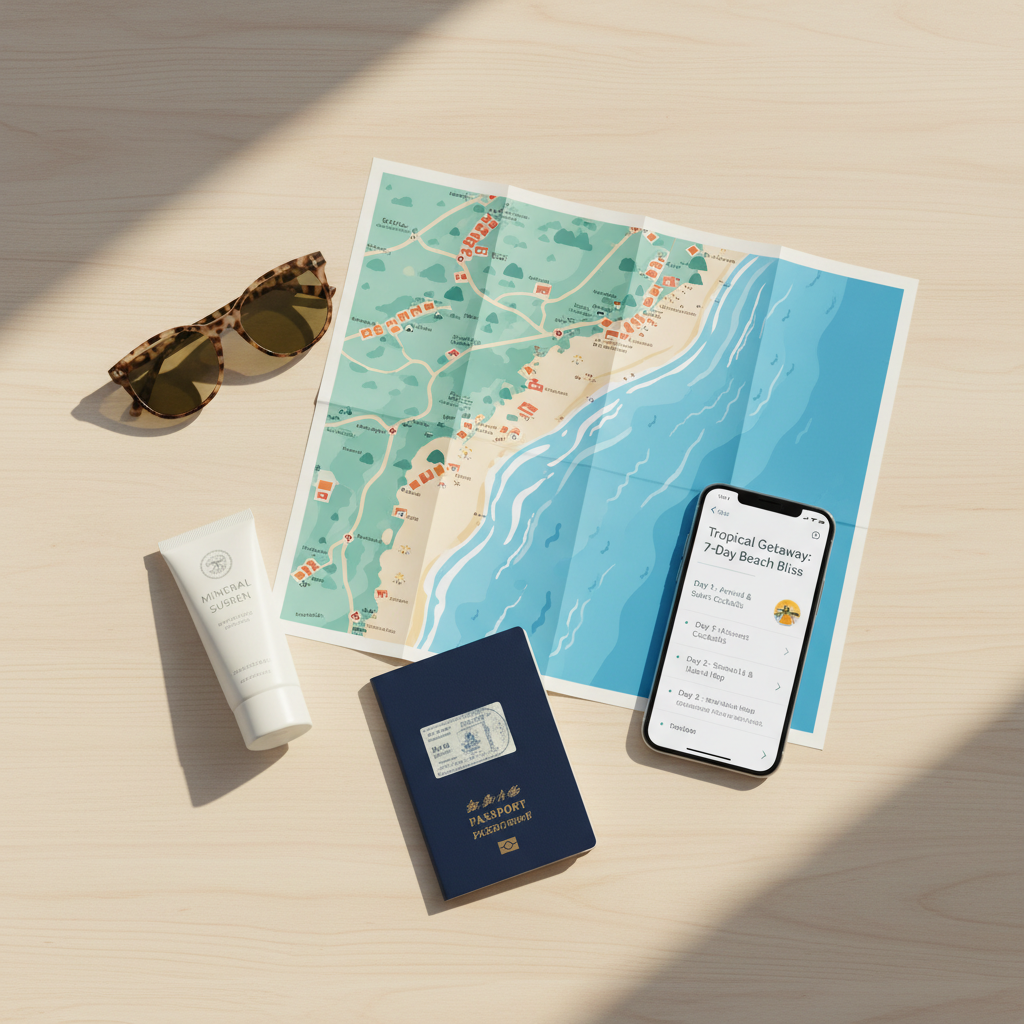
One quick note before we jump in: “best” depends on what you value. Calm turquoise water and easy snorkeling is a different brief than dramatic surf, remote eco-lodges, or a beach town with restaurants open late. I’ll flag who each destination tends to fit, so you can self-sort fast.
Quick shortlist: beach destinations that fit different trip styles
If you’re skimming, start here. These are reliable picks for different moods and travel styles, and they’re all common routes from the U.S.
- For easy, low-friction beach days: Turks & Caicos (Grace Bay), Aruba, Maui
- For food + culture with beach time: Barcelona coast (sitges/costa brava day trips), Oaxaca coast (Puerto Escondido area), Lisbon + Algarve
- For snorkeling and reefs: Bonaire, Roatán (Honduras), Big Island (Kona side)
- For dramatic scenery and “wow” photos: Kauai, Amalfi Coast (beach clubs + coves), Seychelles
- For families: San Diego, Aruba, Turks & Caicos (with a calmer-water focus)
How to choose the right beach in 2026 (what matters more than hype)
Most disappointment comes from picking a destination like it’s a postcard, not a weather-and-logistics system. A few practical filters make the “best beach travel destinations 2026” list feel personal instead of generic.
Seasonality: not just rain, but wind, waves, and seaweed
Some places look perfect on Instagram but get strong trade winds for months, or seasonal seaweed blooms that can affect swimming. According to NOAA, ocean and coastal conditions can shift meaningfully by season, and local forecasts beat general “best month” advice.
- Windy season can be great for kitesurfing, not so great for calm floats.
- Swell season changes which side of an island is swimmable.
- Sargassum tends to be episodic and varies by coastline; check recent beach cam updates, not last year’s blog posts.
Airport-to-beach time is a hidden tax
A “short flight” can still become a long day if you land far from the coast, wait on a rental car, then drive two hours. If your trip is 4–5 days, this matters more than people admit.
Your beach personality: calm-water, surf, or exploring?
Be honest about what you’ll actually do. If you want two swims a day and long reads under an umbrella, pick calmer-water beaches with easy access. If you get restless, choose a destination that supports day trips and variety.

Comparison table: top picks and what they’re best for
Use this table as a planning shortcut. Costs and crowd levels vary by exact week, events, and flight availability, so treat these as general planning signals, not promises.
| Destination | Best for | Typical vibe | Budget feel | Watch-outs |
|---|---|---|---|---|
| Turks & Caicos (Providenciales) | Calm turquoise water, couples, families | Polished, relaxing | High | Dining and resorts add up fast |
| Aruba | Reliable weather, easy swimming | Resort-forward, breezy | Mid–High | Book popular beaches early in peak weeks |
| Maui (Hawaii) | Mix of beaches + drives + food | Scenic, active | High | Microclimates, long drives, respect closures |
| Bonaire | Snorkel/dive access, quiet stays | Low-key, outdoorsy | Mid | Not a “soft sand everywhere” island |
| Roatán (Honduras) | Reefs, value trips | Casual, beachy | Low–Mid | Choose accommodations carefully, plan transport |
| Algarve (Portugal) | Cliffs, coves, road-trip energy | European summer | Mid | Peak summer crowds, cooler water |
| Seychelles | Iconic scenery, honeymoon feel | Remote, romantic | High | Long travel time, inter-island logistics |
Destination-by-destination notes (the stuff that changes your experience)
Here’s the “editor notes” version: what people love, and what can quietly ruin the trip if you don’t plan around it.
Turks & Caicos (Grace Bay and beyond)
If your definition of a beach vacation is calm, clear water and minimal effort, this is hard to beat. Many travelers underestimate how quickly costs rise once you add meals, taxis, and excursions.
- Do this: pick a hotel/resort where you can walk to food, or you’ll feel stuck paying premium prices.
- Skip this: assuming every beach has the same conditions; ask your hotel which side is calm that week.
Aruba (Palm Beach + Eagle Beach)
Aruba is often a “safe bet” when you want sunshine and straightforward logistics. It tends to suit first-time Caribbean travelers who want beach time without constant weather anxiety.
- Do this: plan one off-beach day for natural pools or the quieter side of the island.
- Watch: popular areas can feel busy; go early for the calmest swim.
Maui (for variety, not just sand)
Maui shines when you want beaches plus drives, snorkeling bays, and a little splurge dining. The trade-off is cost and planning complexity.
- Do this: choose your base based on your priorities, not “centrality.” Beach time is different in Wailea vs. Lahaina-side vs. North Shore.
- Be respectful: conditions and access can change; follow local guidance on closures and safety.
Bonaire (shore snorkeling and diving culture)
Bonaire is less about long sandy strolls and more about being in the water. If you want easy reef access and a quieter, nature-forward trip, it’s a strong fit.
- Do this: bring reef-safe essentials and water shoes; some entries are rocky.
- Don’t assume: a classic resort strip vibe, it’s more independent and mellow.
Algarve (Portugal) for cliffs, coves, and towns
Portugal’s Algarve can feel like a beach trip and a road trip at the same time. Water temps may feel cool compared with the Caribbean, but the coastline variety is the point.
- Do this: mix one cliff-cove day with one wide-beach day.
- Plan: parking and access for famous viewpoints; sunrise or late afternoon is easier.
Practical planning: how to build a 2026 beach trip that actually feels easy
This is the part people skip, then wonder why the trip feels stressful. A little structure keeps your beach days from becoming a string of expensive improvisations.
Pick your “non-negotiables” before you price flights
- Water goal: calm swim, waves, snorkeling, boating
- Day structure: do you want to walk everywhere, or are you fine with driving?
- Food style: resort dining vs. local restaurants vs. self-catering
Use a simple 3-bucket budget
- Fixed: flights, lodging
- Semi-fixed: local transport, one or two excursions
- Flexible: food, beach gear, shopping
If your destination leans “taxi-heavy,” your semi-fixed bucket often becomes the surprise line item, so price it early.
Key points that save real time on beach trips
- Stay closer than you think to the beach you’ll use most, “ocean view” isn’t the same as “walkable.”
- Plan one buffer day for weather, fatigue, or ferry delays, especially on island hops.
- Book what can sell out early: top-rated snorkeling boats, limited-capacity parks, and small boutique hotels.
Safety, sustainability, and common mistakes (don’t ignore this part)
Beach vacations feel carefree, but sun, water, and local rules still require some caution. According to the CDC, travelers should take steps to prevent sunburn and heat-related illness, and consider health guidance that fits their personal situation.
Water conditions change faster than you expect
Rip currents and shore breaks can be dangerous even for confident swimmers. If flags are up or locals look hesitant, treat that as a signal, not a challenge. If you have health conditions, it may help to consult a healthcare professional before strenuous water activities.
Common planning mistakes I see repeatedly
- Over-packing the itinerary then feeling guilty for “wasting” the beach
- Choosing the cheapest hotel and paying it back in transport time and costs
- Ignoring reef etiquette like standing on coral or chasing wildlife for photos
- Not checking entry requirements and transit visa rules for longer routes
Wrap-up: how to pick your best beach travel destination for 2026
Picking from the best beach travel destinations 2026 gets easier when you stop chasing a single “top beach” and start matching season, water conditions, and logistics to how you actually vacation. Choose two or three candidates, sanity-check the weather patterns for your weeks, then decide based on flight time and daily convenience.
If you want a simple next step, make a shortlist of three destinations, then price the same seven-night window for flights and lodging, the winner is often obvious once you see total cost and travel time side by side.
Key takeaway: the best beach trip usually comes from fewer transfers, a swimmable beach near your stay, and one planned highlight day, not from chasing the most famous shoreline.