
Best adventure travel destinations 2026 is a search people make when they want a trip that feels big, but they also want it to be doable, safe enough, and worth the flights and PTO. If that sounds like you, you’re in the right place.
What usually goes wrong is not the lack of options, it’s picking the wrong “adventure” for your time, fitness, comfort level, and the season you can actually travel. A bucket-list route in the wrong month can turn into weather delays, trail closures, or a trip where you spend more time rearranging bookings than hiking.
This guide narrows down strong 2026 picks, then shows how to match destinations to activity type, seasonality, and risk tolerance. I’ll also flag common planning traps, plus a simple checklist you can use before you hit “book.”
How to choose an adventure destination for 2026 (without overthinking it)
Before you compare countries, decide what “adventure” means for this specific trip. A 10-day trek, a long weekend of rafting, a dive safari, or a multi-sport loop all create very different constraints.
- Time reality: total trip days, plus buffer for delays if you’re going remote.
- Body reality: altitude tolerance, joint issues, heat sensitivity, swimming comfort.
- Logistics tolerance: do you enjoy improvising, or do you want predictable transfers and a clear plan?
- Risk comfort: guides, permits, medical access, and rescue infrastructure matter more than people admit.
According to U.S. Department of State, travelers should review destination-specific safety and security information and current advisories before booking. That’s not a mood killer, it’s a planning tool.
Best adventure travel destinations 2026: quick comparison table
If you want a fast shortlist, this table is the quickest way to see what each destination is “best at,” plus when it tends to shine.
| Destination | Signature adventure | Typical best window | Effort level | Notes to watch |
|---|---|---|---|---|
| Patagonia (Chile/Argentina) | Trekking, glaciers | Nov–Mar | Moderate–High | Wind + reservations fill early |
| Dolomites (Italy) | Via ferrata, hut-to-hut hiking | Jun–Sep | Moderate | Weather swings, hut booking |
| Utah + Arizona (USA) | Canyoneering, desert hiking | Mar–May, Sep–Nov | Low–High | Flash-flood risk in slots |
| Azores (Portugal) | Whale watching, coasteering, hikes | Apr–Oct | Low–Moderate | Microclimates, rain plan |
| British Columbia (Canada) | Sea kayaking, bear viewing, skiing | Jun–Sep (summer), Dec–Mar (snow) | Moderate | Wildlife protocols, tides |
| Japan Alps (Japan) | Mountain hiking, onsens, culture | Jul–Oct | Moderate | Typhoon season edges |
| Namibia | Dunes, desert road trip, safaris | May–Oct | Low–Moderate | Long drives, self-drive prep |
| Indonesia (Komodo/Raja Ampat) | Diving, snorkeling, liveaboards | Varies by region | Moderate | Currents, operator quality |
Top adventure picks for 2026, by trip “style”
Here’s the part people actually want: destinations that consistently deliver a strong adventure experience, with a few realistic notes on what makes each one click.
Patagonia: big trails, big weather, big payoff
Patagonia still earns its reputation because you can build a trip at multiple intensities, from day hikes near El Chaltén to iconic circuits like the O Trek. In many cases, the “hard part” is not fitness, it’s wind, layers, and smart timing.
- Go if: you want classic trekking and don’t mind unpredictable conditions.
- Skip if: you hate rerouting plans when weather shuts things down.
- 2026 planning note: popular refugios and park systems can require reservations and permits, confirm rules early.
Dolomites: adrenaline with a safety rail (sometimes literally)
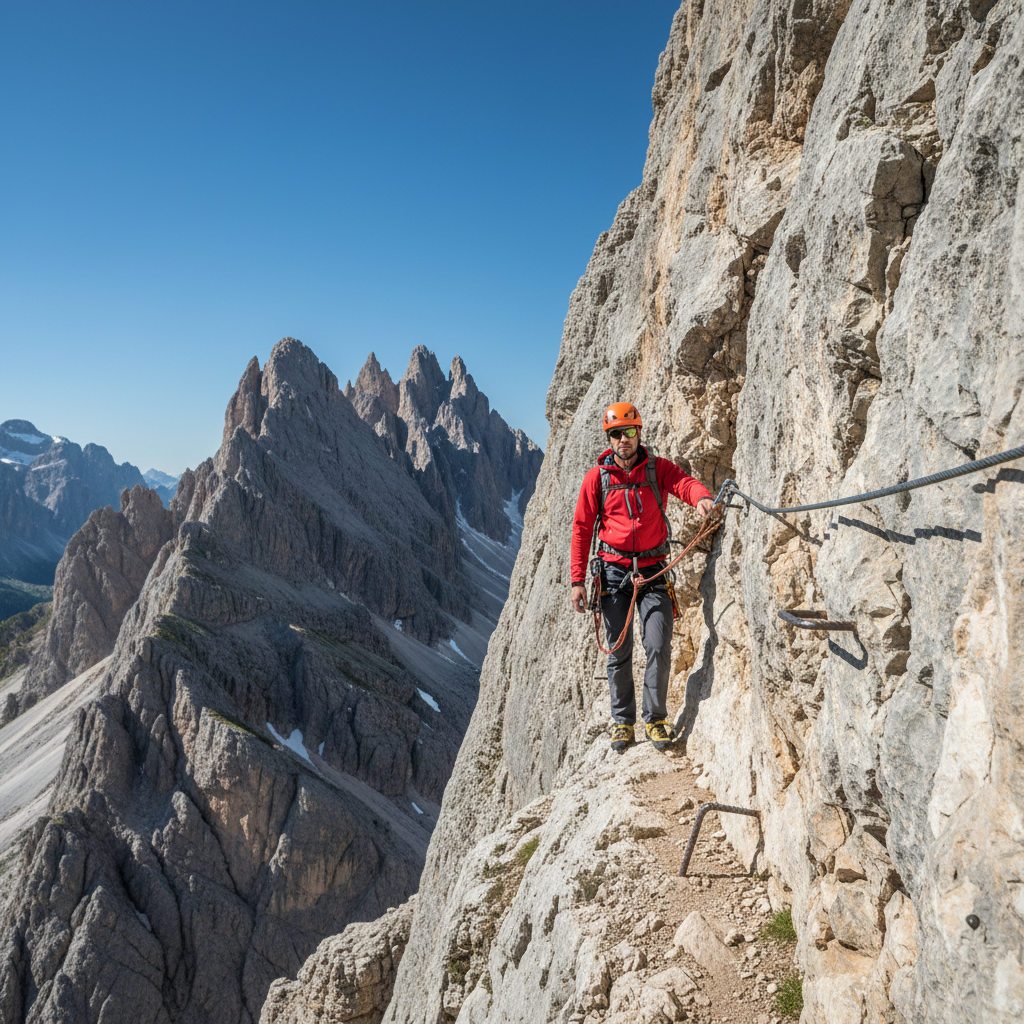
Via ferrata routes can feel like mountaineering-lite, because you clip into cables and move along exposed terrain. That said, it’s still real exposure, so a guide or a skills course can be a smart move if you’re new.
- Go if: you want dramatic views plus excellent logistics and food.
- Watch: thunderstorms, and whether your route has easy bailouts.
Utah + Arizona: canyon country that scales from easy to expert
For U.S.-based travelers, the Southwest is a high-impact adventure without the international complexity. You can keep it mellow with sunrise hikes, or go technical with canyoneering and multi-day routes.
- Go if: you want flexible trip length and strong infrastructure.
- Be honest about: heat, water planning, and flash-flood dynamics in slot canyons.
According to National Weather Service, flash floods can develop quickly and be deadly, especially in slot canyons and areas with steep terrain. If conditions look uncertain, local guidance matters more than your itinerary.
Azores: a “soft adventure” that still feels wild
The Azores are great when you want a mix of hikes, crater lakes, hot springs, and ocean experiences without committing to a hardcore expedition. A lot of travelers underestimate how fast weather changes, so plan alternates.
- Go if: you want variety and don’t want constant long drives.
- Good for: couples and groups where not everyone wants the same intensity daily.
British Columbia: water-based adventure with wildlife edge
Sea kayaking and coastal lodges can feel like a reset, but it’s still adventure. Tides, wind, and wildlife etiquette shape the day. If you’ve never kayaked in open water, guided trips reduce stress a lot.
- Go if: you love ocean scenery and want a strong chance of wildlife sightings.
- Watch: packing dry, staying warm, and respecting distance rules around animals.
Namibia: desert scale that makes you feel tiny (in a good way)
Namibia is a strong pick for travelers who want landscapes and road-trip freedom. Adventure here often looks like long drives, dunes at dawn, stargazing, and safari days that don’t feel crowded.
- Go if: you like self-drive travel and wide-open spaces.
- Watch: fuel planning, tire strategy, and how remote your route gets.
Self-check: which type of adventure traveler are you?
This is the quick gut-check many people skip, then regret mid-trip. Pick the column that sounds most like you, then choose destinations that match.
- “I want challenge, not chaos”: Dolomites, Japan Alps, guided Patagonia highlights.
- “I want iconic nature with simple logistics”: Utah/Arizona, Azores, Canadian Rockies (as an add-on option).
- “I want remote and raw”: Namibia routes beyond the obvious stops, longer Patagonia itineraries.
- “Water is the main event”: British Columbia kayaking, Indonesia diving with a reputable operator.
If you’re traveling with a mixed group, plan one “anchor” adventure day, then add optional harder activities. That keeps everyone happier than forcing one intensity level all week.
Practical planning tips that make 2026 trips smoother
These are the small decisions that usually decide whether an adventure trip feels effortless or exhausting.
- Build a weather buffer: add at least one flexible day on remote or boat-based trips.
- Book “critical path” first: permits, refugios, liveaboards, and limited shuttles, then flights, then hotels.
- Match gear to the failure points: blisters, cold hands, wet layers, and dead phone batteries ruin more trips than steep climbs.
- Plan your food reality: some hut systems mean set meals, while road trips mean grocery strategy and coolers.
- Know your insurance details: medical coverage, evacuation, and activity exclusions vary a lot, consider a professional if you’re unsure.
According to Centers for Disease Control and Prevention (CDC), travelers should check destination-specific health guidance and recommended vaccines or precautions before departure. For higher-risk activities, it can help to ask a travel medicine specialist what applies to your exact itinerary.
Safety and risk: common mistakes (and what to do instead)
Adventure travel rewards confidence, but it punishes sloppy assumptions. Most issues come from predictable patterns.
- Mistake: treating altitude like “just being out of breath.” Do instead: acclimatize, hydrate, and adjust plans if symptoms worsen, consult a clinician if you have concerns.
- Mistake: relying on one navigation app. Do instead: carry offline maps, a backup power plan, and know how to use them.
- Mistake: chasing a famous route in the worst season. Do instead: pick the right month, or choose a nearby alternative that stays enjoyable.
- Mistake: booking the cheapest operator for technical activities. Do instead: verify certifications, safety briefings, and cancellation policies, and ask direct questions.
If you’re unsure about conditions on the ground, local rangers, reputable guide companies, and official park channels tend to be more reliable than social media clips.
Key takeaways (save this before you book)
- Start with your season and constraints, then choose a destination that naturally fits, not the other way around.
- Best adventure travel destinations 2026 depends on trip style: trekking, water, desert road trip, or mixed comfort travel.
- Reserve the bottlenecks early like huts, permits, and limited-capacity experiences.
- Plan for the boring stuff like weather buffers, insurance, and gear failure points, that’s what protects the fun.
Conclusion: pick one “big yes,” then plan around it
If you want a trip you’ll actually enjoy, pick one clear priority, for example “hut-to-hut hiking,” “canyons and stars,” or “kayaking with wildlife,” then shape everything else around that decision. That approach usually beats trying to cram every activity into one itinerary.
Your next step can be simple: choose your travel month, pick two destinations from the table, and price out a realistic version of each. Once you see flights, transfers, and permits side-by-side, the right option tends to reveal itself.
FAQ
- What are the best adventure travel destinations 2026 for beginners?
Many beginners do well with places that have strong infrastructure and easy-to-scale activities, like the Azores or the U.S. Southwest in shoulder seasons. You can add guided upgrades without committing to a full expedition. - How far in advance should I book Patagonia for 2026?
For popular circuits and refugios, booking earlier often reduces stress. Exact timelines vary by park and operator, so check the official park sites and reputable lodge networks as soon as your dates look firm. - Is via ferrata in the Dolomites safe without a guide?
It can be for experienced hikers with proper gear and comfort on exposure, but many travelers underestimate route grading and weather shifts. If you’re new, a guide or an intro course can be a smart trade for confidence. - When is the best time for Utah and Arizona adventure trips?
Spring and fall usually offer the most comfortable temperatures for hiking. For slot canyons, pay attention to forecast and local guidance, because storms upstream can create dangerous conditions. - Which destination works best for a one-week adventure vacation?
Utah/Arizona, the Dolomites, and the Azores often fit well into a week because logistics are straightforward. Patagonia and remote Namibia routes frequently feel better with extra buffer days. - How do I choose a reputable diving or liveaboard operator in Indonesia?
Look for transparent safety practices, clear briefings, realistic itineraries, and reviews that mention crew professionalism rather than only “pretty fish.” If you have medical questions about diving fitness, ask a clinician familiar with dive medicine. - Do I need travel insurance for adventure travel?
It depends on your activities and how remote you’ll be, but many travelers find it worthwhile to confirm medical and evacuation coverage, plus exclusions for specific sports. If the wording is confusing, an insurance professional can help interpret it.
If you’re planning a 2026 trip and want a more tailored shortlist, it can help to write down your dates, your “must-do” activity, and your non-negotiables, then compare destinations against that list. It’s a small step, but it usually saves hours of second-guessing later.