
best travel guide for dubai 2026 is really about avoiding the same three headaches most U.S. travelers hit: choosing the wrong time to go, booking the wrong area, and underestimating how spread out Dubai feels once you land.
Dubai can be surprisingly easy when the basics line up, and surprisingly expensive or exhausting when they don’t. Heat changes everything, distances change everything, and “quick” attractions can turn into half-day commitments if you plan like you’re in a walkable city.
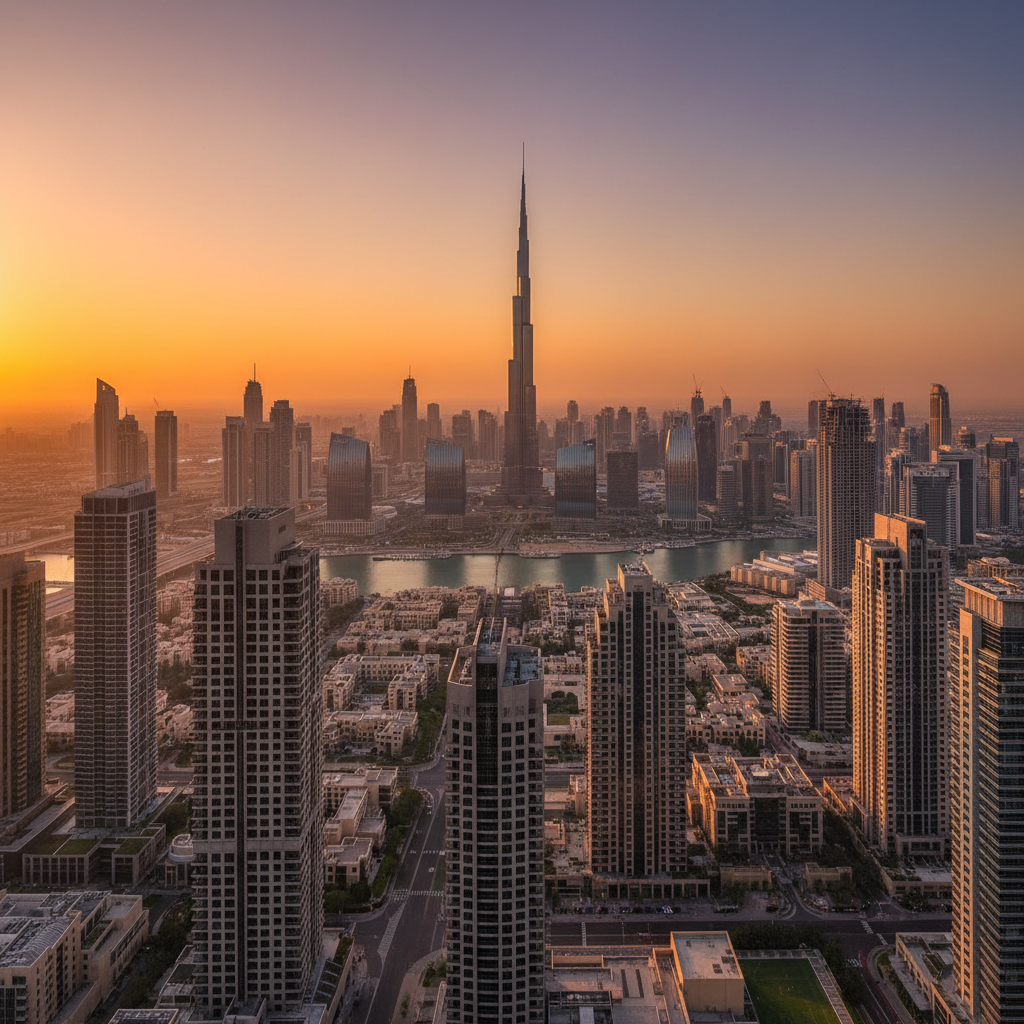
This guide keeps things practical: when to go, where to stay, what to budget, what to book early, and a few itinerary templates you can copy. I’ll also flag common traps, because Dubai marketing is great at making everything look “10 minutes away.”
Quick take: what Dubai is best for in 2026
Dubai does a few things extremely well, and your trip feels better when you lean into them instead of fighting them.
- Iconic modern sights: Burj Khalifa, Museum of the Future, Palm Jumeirah, Marina skyline.
- Desert experiences: dunes, sunset dinners, stargazing, off-road adventures.
- Beach + city combo: you can do pool and beach time without giving up big-city dining.
- Food variety: Emirati spots exist, but the strength is global cuisine at every price point.
- Stopover trips: many U.S. travelers use Dubai as a hub for the region.
Key point: If you want a purely walkable, museum-heavy trip, Dubai can still work, but you’ll rely on taxis/Metro and you’ll want a tighter daily plan.
When to go: weather, prices, and what changes your experience
Timing is the biggest quality-of-trip lever. Dubai heat is not “summer heat in Florida,” it can be a real constraint on walking, outdoor tours, and even how enjoyable a marina stroll feels.
- Best weather (most popular): typically November to March, mild evenings, lots of outdoor dining.
- Shoulder months: often October and April, still good but can swing warm mid-day.
- Hot season: usually May to September, doable with planning, but you’ll bounce between indoor attractions, malls, and pools.
According to Dubai's Department of Economy and Tourism, Dubai’s official tourism guidance includes seasonal planning and major event calendars, which is worth checking before you lock dates.
If you’re heat-sensitive, have kids who melt down outdoors, or plan to do long outdoor photo walks, aim for the cooler window even if hotels cost more.
Where to stay: neighborhoods that actually fit how you travel
Dubai neighborhoods are less about “vibe” and more about commute math. Pick the area that matches what you’ll do most days.
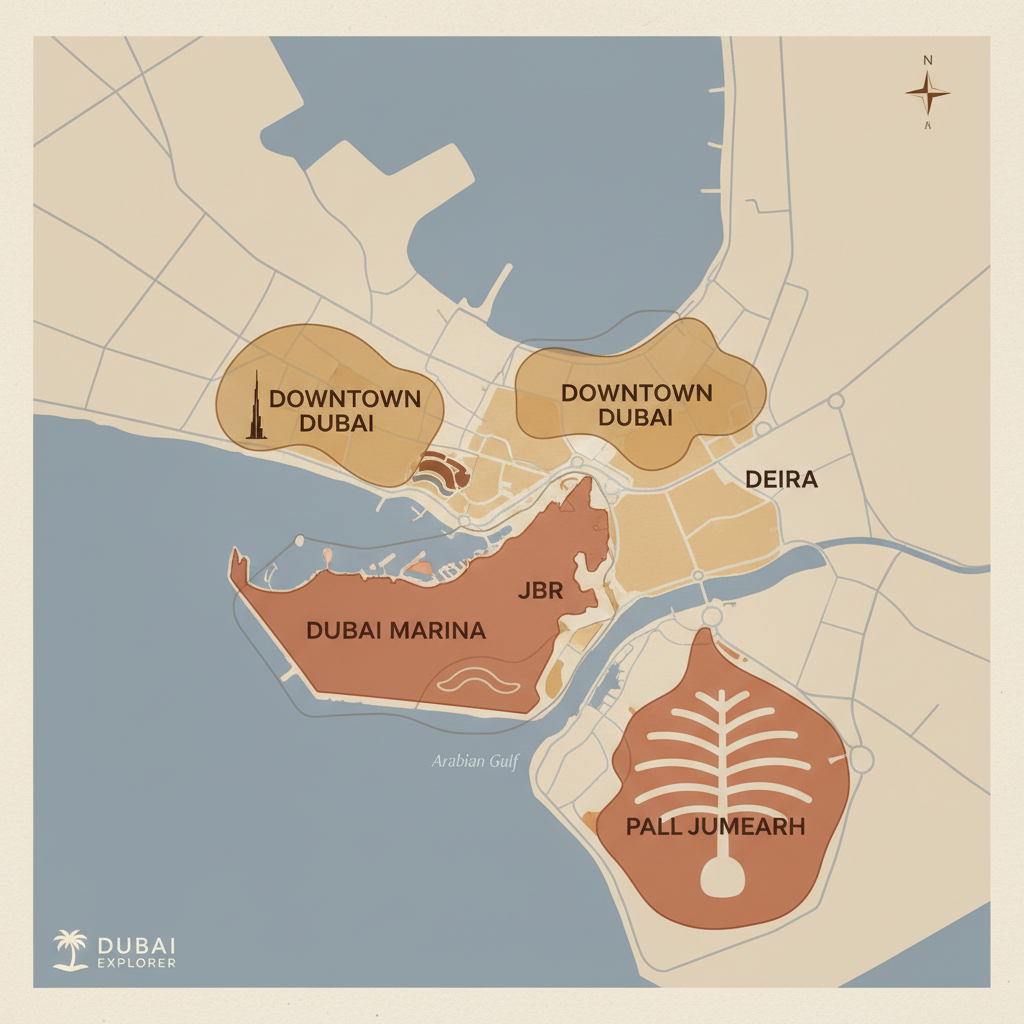
Downtown Dubai: best for Burj Khalifa, Dubai Mall, fountains, and “first trip” convenience. Expect higher hotel rates and plenty of crowds.
Dubai Marina / JBR: great if you want beach time plus restaurants and a lively evening walk. Many hotels are newer, and the area is easy to enjoy without constant cab rides.
Palm Jumeirah: resort-heavy, good for couples or families who want pool and beach as the main event. It can feel “separate,” so plan transit to other sights.
Deira / Old Dubai (near Creek): better for traditional markets, older neighborhoods, and value stays. You trade some “wow factor” for culture and price.
Business Bay: a practical compromise near Downtown, sometimes better value, but it’s more “work towers” than charming streets.
Budget reality check: what to expect and where costs sneak in
Dubai can be luxury, mid-range, or fairly reasonable, but costs often spike from add-ons: taxis, attraction tickets, and “we’ll just do one more thing.”
Use this table as a planning starting point, then adjust for season and hotel style.
| Expense category | What drives the price | How to keep it under control |
|---|---|---|
| Hotel | Season, view, brand, resort access | Book early for peak months, compare refundable vs nonrefundable |
| Transportation | Distance between areas, time of day | Use Metro where it fits, bundle nearby sights in one day |
| Attractions | Prime time slots, combo tickets | Choose 1–2 “big ticket” items, fill the rest with free/low-cost stops |
| Food | Hotel dining, alcohol, brunch culture | Mix mall food courts, local restaurants, and one splurge meal |
| Desert tour | Vehicle type, group size, dinner style | Pick a reputable operator, read inclusions carefully |
Small but real: if you plan to drink, budget changes fast. Also, some “cheap” hotels cost more once you add daily taxis to everywhere you actually want to go.
3 simple itineraries you can copy (2, 4, or 7 days)
These are built for typical U.S. traveler pacing: one anchor activity per day, one flexible block, and minimal cross-city zig-zagging.
2 days (stopover style)
- Day 1: Downtown Dubai (Burj area), Dubai Mall aquarium area or shopping break, fountain show at night.
- Day 2: Marina/JBR beach morning, late afternoon desert safari or a sunset cruise if you want something lighter.
4 days (first-time, balanced)
- Day 1: Downtown + one timed ticket (Burj view or Museum of the Future).
- Day 2: Old Dubai (Creek area, souks), then modern dining in the evening.
- Day 3: Beach/pool day in Marina/JBR or Palm, keep it easy.
- Day 4: Desert experience, leave the morning open for rest.
7 days (slower pace + day trips)
- Days 1–3: Split Downtown, Old Dubai, and Marina across separate days.
- Day 4: Desert tour.
- Day 5: Abu Dhabi day trip (early start), or keep it as a recovery day.
- Day 6: Palm resort day or water park if that’s your thing.
- Day 7: Flexible shopping, cafés, last views, and a calm checkout day.
Key point: A “great Dubai week” is rarely 7 packed days. Most people enjoy it more with 1–2 lighter days built in.
Do this first: booking timeline and what to reserve early
Dubai runs smoothly when you lock the few things that are truly time-sensitive, and stay flexible everywhere else.
- Reserve early in peak season: popular hotels, Burj Khalifa prime sunset slots, and any “must-do” restaurant with views.
- Confirm tour inclusions: desert safari pickup area, dinner type, dune bashing intensity, and return time.
- Keep buffers: traffic can be unpredictable around event nights and weekends, so don’t schedule back-to-back timed entries across town.
According to U.S. Department of State, travelers should review current travel advisories and entry requirements before international trips, and that’s especially relevant if your passport renewal timing feels tight.
Safety, etiquette, and “don’t waste your trip” mistakes
Dubai is generally considered safe for tourists, but safety is still situational. Use the same judgment you would in any major city, and treat desert activities like real outdoor excursions.
- Heat management: in warmer months, plan outdoor time early morning or evening, hydrate, and consider asking a clinician if you have health conditions affected by heat.
- Dress expectations: in many places, casual is fine, but modest attire is often appreciated in older neighborhoods and religious sites.
- Transit assumptions: Metro is useful, but it won’t drop you at every tourist door, last-mile rides add up.
- Over-scheduling: the city is spread out, so stacking “15-minute” rides is how days collapse.
- Buying the wrong view: “sea view” or “Burj view” can be partial; read room descriptions carefully.
Reality check: if you feel pressured into an itinerary that looks impressive on Instagram but feels miserable in the heat, it’s okay to simplify. Your trip, not a checklist.
Conclusion: how to make this your best Dubai trip in 2026
If you only take two actions from this best travel guide for dubai 2026, make them these: pick dates that match your heat tolerance, and choose a neighborhood that matches your daily plan. Most “Dubai was exhausting” stories start right there.
From there, book one or two headline experiences, keep the rest flexible, and group attractions by area so you spend your time enjoying the city instead of sitting in traffic. If you want, open a notes app and sketch a simple morning-afternoon-evening outline for each day, it’s usually enough.