
wild camping travel rules can feel straightforward until you land in Europe or the UK and realize “allowed” changes not just by country, but sometimes by region, park, and even the landowner’s mood.
If you’re traveling from the US, the biggest adjustment is this: in many parts of Europe, access to land is more restricted, and “sleeping outside” can be treated differently from “pitching a tent.” That difference matters when you’re tired, it’s getting dark, and you just want a safe spot.
This guide breaks down the practical realities, what usually gets travelers in trouble, and how to plan your route so you can enjoy the freedom of wild camping without burning bridges with locals or risking an avoidable fine.
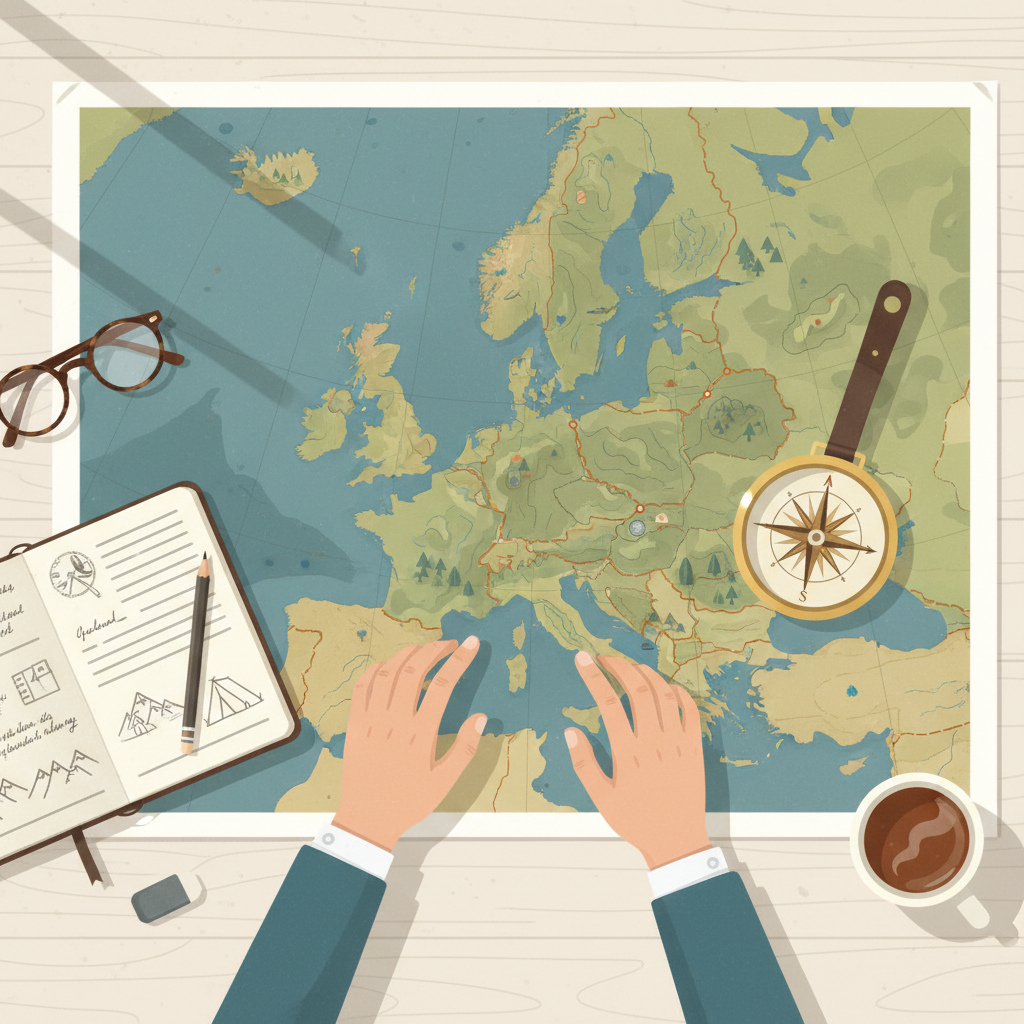
What “wild camping” means in Europe and the UK (and why wording matters)
In the US, people often think of dispersed camping on public land. In Europe and the UK, the same idea can fall into different legal buckets, and the label you use changes how officials interpret it.
- Wild camping: sleeping outdoors outside official campgrounds, usually with a tent.
- Bivvying: sleeping with minimal shelter (bivy bag), sometimes treated more leniently than tents.
- “No camping” vs “no overnight stays”: some places ban tents but tolerate a low-impact overnight without setup.
According to Leave No Trace Center for Outdoor Ethics, low-impact travel focuses on minimizing site disturbance, waste, and conflicts with others, that mindset travels well even when the legal details don’t.
Europe & UK wild camping travel rules at a glance (quick table)
Use this as a fast orientation, then treat it as a starting point, not a substitute for checking local park pages and signage, because rules can change seasonally and by protected-area status.
| Area | General stance | What travelers often miss | Safer alternatives |
|---|---|---|---|
| Scotland | Generally permitted with conditions | Busy “honeypot” zones may have extra restrictions | Plan for lighter-impact spots away from roads and houses |
| England & Wales | Often restricted, limited legal areas | Most land is privately owned, permission matters | Official campsites, farm stays, or paid wild pitches |
| Norway/Sweden/Finland | Often more permissive under access rights | Distance-from-homes rules and fire rules can be strict | Use established spots, check fire bans daily |
| Alps regions | Mixed, commonly restricted in reserves | “Bivouac allowed above treeline” exceptions vary | Mountain huts, designated bivouac zones |
| Coastal tourist regions | Frequently enforced restrictions | Overnight parking laws can be separate from camping laws | Camper stops, regulated overnight areas |
Why people get fined (or moved on): real-world triggers
Most crackdowns aren’t about one respectful tent in the middle of nowhere, they’re about patterns that create complaints. If you avoid the triggers below, your odds improve in many places.
- Visibility: pitching near roads, trailheads, viewpoints, beaches, or village edges.
- Group size: more people, more noise, more waste, more attention.
- Campfires: even where camping is tolerated, fires may not be, especially in dry seasons.
- Arriving early, leaving late: staying “all day” reads like occupying land, not passing through.
- Waste and hygiene mistakes: toilet paper, food scraps, washing in streams, overflowing bins.
- Vehicles: sleeping in a van can be regulated by parking laws, not camping laws.
According to UK National Parks guidance (varies by park), camping rules and byelaws can differ inside protected landscapes, so the same behavior can be treated differently a few miles apart.
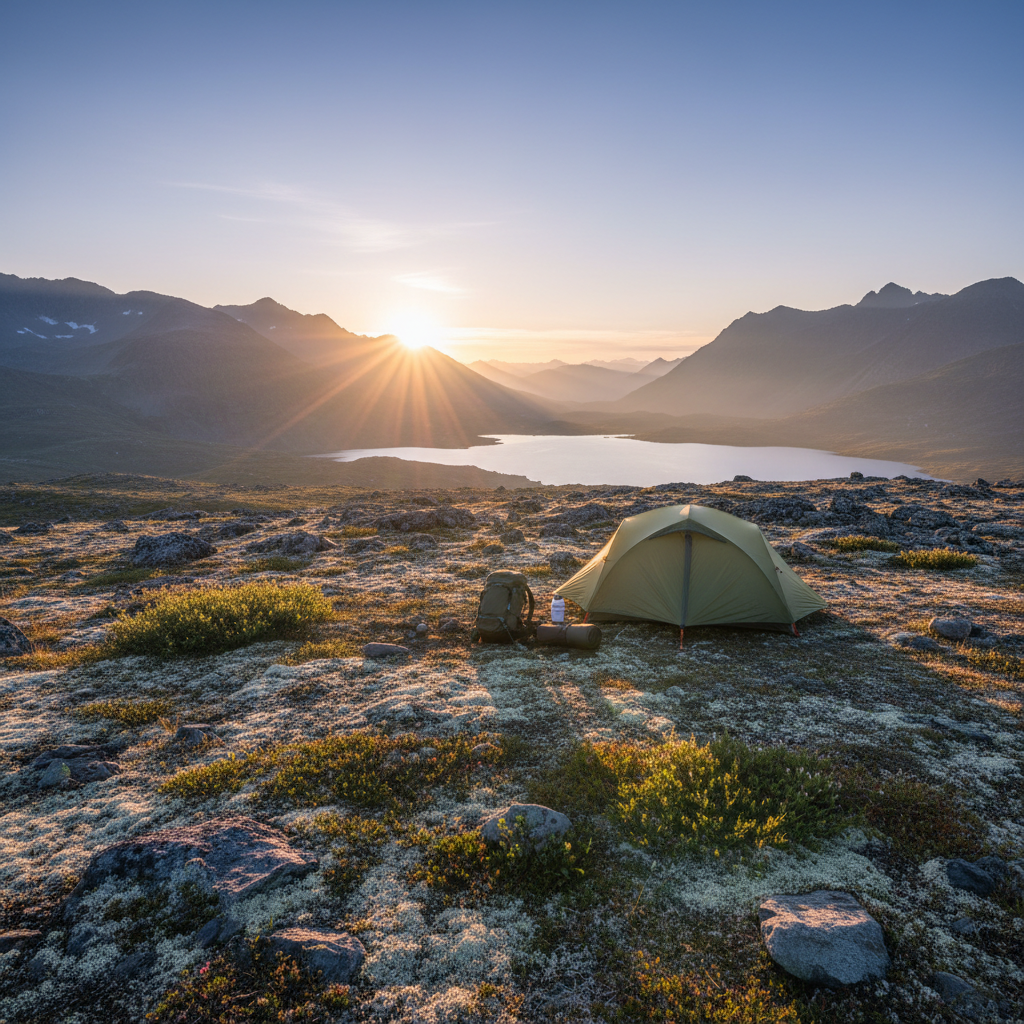
Self-check: are you in a “likely OK” situation or a “don’t risk it” one?
Before you commit to a spot, run this quick filter. It’s not legal advice, it’s a practical way to avoid the most common conflicts.
Usually lower risk (still not guaranteed)
- You can’t be seen from roads or homes, and you’re not blocking access.
- You arrive near dusk and leave early, with no trace left behind.
- Your shelter is small, neutral-colored, and your group is 1–2 people.
- You’re outside nature reserves, private yards, and clearly signed “no camping” areas.
Often higher risk
- You’re on a beach, viewpoint, or popular lake shore in peak season.
- You plan to cook with open flame, or you see wildfire warning signage.
- You’re parking overnight where locals already complain about vans.
- You’re unsure who owns the land, and there’s nearby farming activity.
Country and region nuances Americans trip over (Europe + UK)
You don’t need to memorize every statute, but you do need to understand the “shape” of rules in each area you’re heading to, because wild camping travel rules tend to follow local land culture.
UK: Scotland is the outlier, England/Wales require more caution
- Scotland: outdoor access rights make responsible wild camping more accepted, but specific areas can have extra management rules, especially around busy lochs in summer.
- England and Wales: in many places, wild camping without permission is not generally allowed, and enforcement can be more active near tourist zones and National Parks.
According to Scottish Outdoor Access Code, access rights come with responsibilities like avoiding damage, respecting privacy, and leaving no trace.
Nordics: more freedom, but strict boundaries around homes and fires
Norway, Sweden, and Finland are often more welcoming to low-impact overnights due to long-standing access traditions, but distance-to-homes expectations and seasonal fire restrictions can be non-negotiable.
According to Norwegian Environment Agency, rules around open fires can tighten during dry periods and in certain areas, so checking local fire guidance is part of planning, not an afterthought.
Alpine and protected areas: “bivouac exceptions” may exist, but vary
In some mountain regions, authorities may tolerate a late-night bivouac above certain elevations while still banning tents lower down. The trap is assuming one valley’s norm applies to the next, it often doesn’t.
- Look for signage at trailheads and refuge huts.
- Check the protected-area website, not just a blog post.
- When unsure, a hut warden usually knows what gets enforced that week.
Practical solutions: how to camp legally (or at least responsibly) by scenario
When people say “I want to wild camp,” what they usually mean is “I want flexibility and low cost.” You can often get that without gambling on a prohibited pitch.
Scenario A: You’re backpacking and want one stealth overnight
- Choose a spot late, pack up early, and keep the footprint small.
- Skip campfires, use a stove only where permitted, and avoid cooking smells near houses.
- Use a waste plan that works in rain and wind: bags that seal, and a trowel only where appropriate.
Scenario B: You’re road-tripping in a car or campervan
- Separate the ideas of parking and camping, many places allow one but not the other.
- Stay low-profile: no chairs, awnings, music, or “set up camp” behavior in parking areas.
- When in doubt, pick regulated overnight areas, campgrounds, or farm sites, you’ll sleep better.
Scenario C: You’re traveling in peak season (most conflicts happen here)
- Assume coastal hotspots and famous lakes enforce stricter controls, even if inland feels relaxed.
- Plan a backup: a paid campsite within 30–45 minutes can save the night.
- Reduce impact signals: smaller shelter, quieter hours, minimal light.
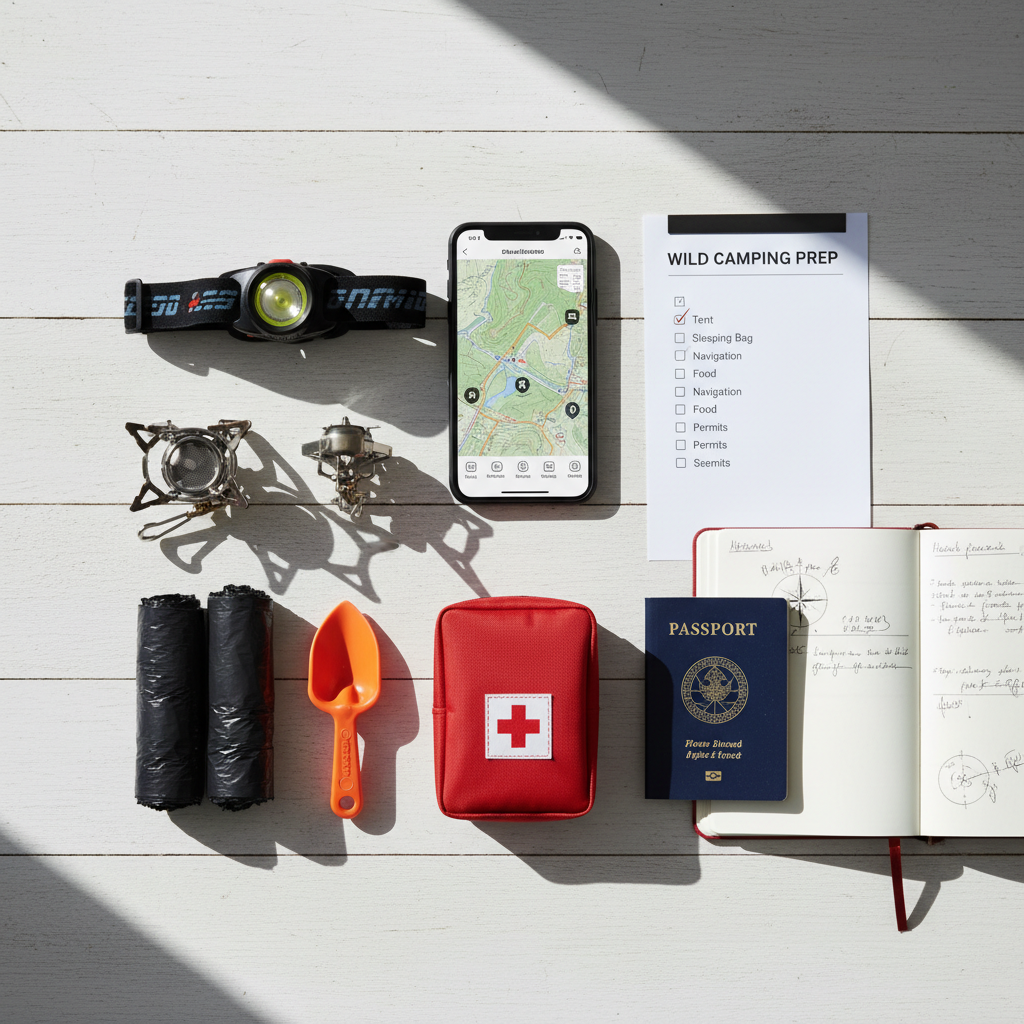
Key do’s and don’ts that keep you out of trouble
If you remember nothing else, remember this: in many places, behavior drives enforcement as much as the written rule. People complain about mess and noise, not about quiet hikers who vanish by sunrise.
- Do treat “no camping” signs as a hard stop, not a negotiation.
- Do prioritize durable surfaces, avoid fragile dunes, meadows, and wetlands.
- Do pack out everything, including food scraps and toilet paper.
- Don’t light fires unless you are clearly permitted and conditions are safe, local bans can appear overnight.
- Don’t camp near cultural sites, farms, gates, or anywhere you’d make someone feel watched.
- Don’t assume “everyone does it” equals allowed, especially around Instagram-famous spots.
According to European Commission travel guidance, travelers should follow local laws and regulations, which sounds obvious, but for camping it means checking the local authority, not just the national headline rule.
When to ask for local or professional help (and why it’s not overkill)
If the area is sensitive, crowded, or tightly managed, getting clarity early saves you from awkward late-night decisions.
- Contact park authorities when you’re heading into a National Park, nature reserve, or protected coastline.
- Ask a local host if you’re staying in a village, a 30-second conversation can reveal what’s tolerated.
- Talk to a guide for alpine routes, weather and emergency access can change what “safe camping” means.
For safety issues like storms, river crossings, or wildfire smoke, it’s reasonable to adjust plans or consult local rescue or ranger services, conditions can shift quickly and travel forums may lag behind reality.
Conclusion: a sane way to follow wild camping travel rules without losing spontaneity
Wild camping in Europe and the UK is doable, but it works best when you treat it as a privilege you earn through low-impact choices, not a right you assert. Check the local rule layer, pick discreet sites, avoid fire drama, and keep a realistic backup plan for busy areas.
If you want an easy next step, build a simple “two-option night plan” for each travel day: one spot that’s clearly legal (campsite, hut, regulated overnight area) and one low-impact fallback only if rules and conditions genuinely support it.
Key takeaways
- Rules vary by country, region, and protected status, don’t rely on one blanket assumption.
- Behavior drives enforcement, visibility, waste, and fires create most problems.
- Have a backup, it’s the difference between a fun night and a stressful one.
FAQ
Is wild camping legal in the UK for tourists?
It depends on where. Scotland is generally more permissive under access rights, while many areas in England and Wales restrict wild camping without landowner permission, especially in managed landscapes.
What’s the difference between bivvying and wild camping in Europe?
Bivvying usually means a minimal overnight sleep setup, sometimes without a tent. In some regions that can be tolerated where tents are not, but it’s still location-dependent and not a universal loophole.
Can I wild camp on beaches in Europe?
Often that’s where enforcement is strongest because beaches draw crowds, litter complaints, and safety concerns. Even where it happens, it can be treated as a violation, so a nearby regulated site is usually safer.
How do I find out the local rules fast while traveling?
Start with official park or municipality websites, then confirm with trailhead signage. If it’s a protected area, ranger stations or hut wardens are usually the most current source.
Are campfires allowed when wild camping?
In many places, fires are the quickest way to turn a tolerated overnight into a serious issue. Fire bans can be seasonal or triggered by weather, so check local guidance and consider skipping fires entirely.
Is sleeping in a van considered camping?
Sometimes the legal issue is parking, not camping. Many towns regulate overnight vehicle stays separately, and “setting up” outside the van often changes how it’s treated.
What should I do if someone asks me to move?
Stay calm, be polite, and move without arguing. Even if you think you’re in the right, escalating rarely helps, and finding a legal backup spot is usually the smarter play.
If you’re planning a multi-country route and want a more streamlined way to stay compliant, a simple approach is to pre-build a shortlist of legal sleep options per region, then treat true wild camping as an occasional choice when conditions and local expectations line up.