
Hill station travel india is one of the simplest ways to trade peak summer heat for cooler air, slower mornings, and views that feel like a reset—if you pick the right region and time it well.
For many U.S. travelers, the hard part is not choosing “a hill station,” it’s choosing the right one for your pace, budget, and tolerance for crowds. Some places shine for tea estates and quiet hikes, others are more like mini resort hubs with traffic, lines, and packed viewpoints.
This guide narrows it down with a region-by-region shortlist, a quick decision checklist, realistic timing for India’s summer patterns, and practical logistics like trains vs. cars, what to book early, and what tends to go wrong.
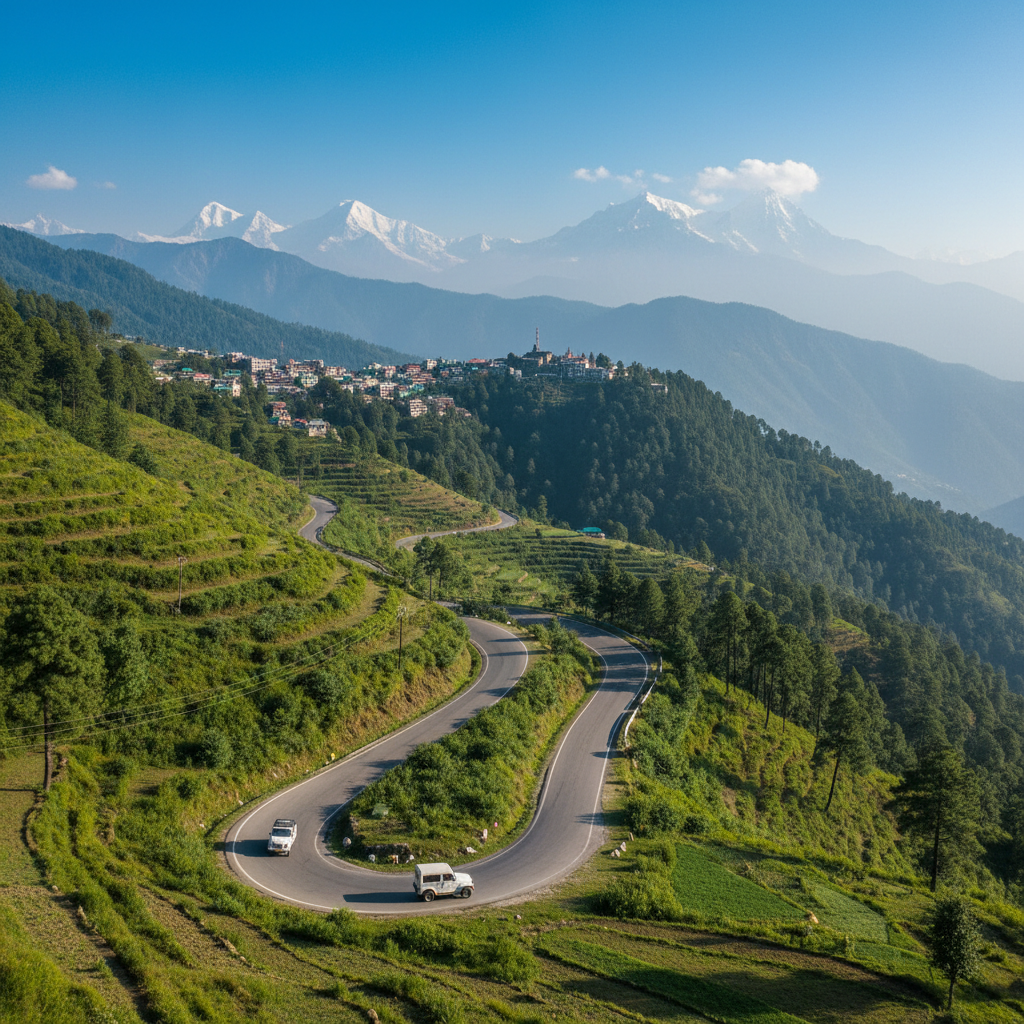
Why hill stations are a smart summer move (and when they are not)
Most travelers look at hill towns for cooler temperatures, but the real advantage is control: you can plan days around short walks, scenic drives, and café breaks instead of battling midday heat in the plains.
That said, “summer in India” is not one uniform season. Heat peaks earlier in many regions, while monsoon timing varies. Some hill stations turn misty and rainy in ways that are romantic for a weekend, but inconvenient for longer trips if you expect clear viewpoints.
- Best for clearer skies: often April to early June in many northern hill areas, though exact conditions vary year to year.
- More rain, fewer views: late June onward in many places as monsoon influence grows, especially in the Western Ghats.
- Not always “cool”: some popular towns can feel warm in midday sun, and traffic can make afternoons feel heavier than you expect.
According to India Meteorological Department (IMD), monsoon onset and rainfall distribution vary by region and year, so it’s worth checking forecasts close to departure rather than relying on a fixed calendar.
Quick self-check: which hill station style fits your trip?
Before you pick a name off Instagram, decide what kind of hill station you actually want. This short checklist usually saves people from booking the “wrong” town.
- Short on time (2–4 days): choose a hill station with a simple airport/train approach and minimal drive time.
- Comfort-first: look for strong hotel inventory and reliable taxi availability, expect more crowds.
- Nature-first: pick places with trails, forests, tea estates, or national parks nearby, plan earlier starts.
- Low-crowd priority: avoid long weekends and school holiday peaks, consider smaller towns near the famous ones.
- Motion sickness prone: limit steep hairpin routes, pick train-friendly options where possible.
If you’re traveling with kids or older family, keep your day plan simple: one primary activity per day plus a backup café/indoor option in case weather turns.
Top hill station regions for summer travel (how to choose)
Instead of chasing a single “best” destination, think in regions. That’s where hill station travel india planning becomes easier, because climate, scenery, and logistics cluster by geography.
Himalayan belt (cooler air, classic views)
- What it feels like: pine forests, ridge walks, big vistas when skies cooperate.
- Good for: scenic viewpoints, relaxed café towns, short hikes.
- Watch for: traffic choke points, occasional road disruptions in rough weather.
Western Ghats (green, moody, waterfall season)
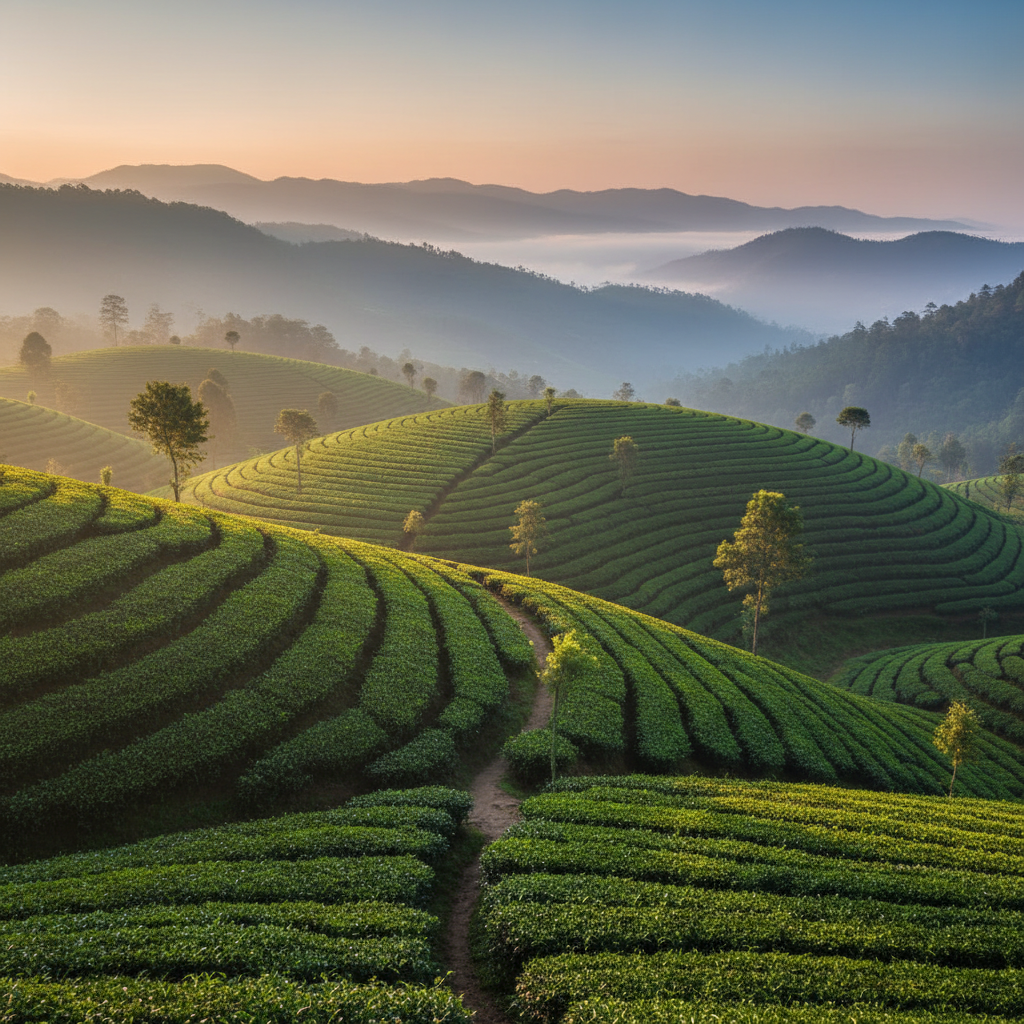
- What it feels like: tea and coffee country, lush hills, mist, monsoon drama.
- Good for: plantations, wildlife zones, slower retreats.
- Watch for: heavy rains and leeches in certain months and trails, bring the right gear.
Eastern & Northeastern hills (less mainstream, more culture + nature)
- What it feels like: layered hills, distinctive local cultures, cool evenings.
- Good for: travelers who like exploring beyond the standard circuit.
- Watch for: longer transit times and fewer “plug-and-play” services in some areas.
Comparison table: popular hill station picks (travel planning lens)
This table is intentionally practical: it’s less about “prettiest,” more about what a U.S. traveler typically wants to know when committing time and money.
| Area | Best For | Typical Pace | Access | Common Tradeoff |
|---|---|---|---|---|
| Shimla / Manali (Himachal) | Iconic Himalaya vibe, easy itinerary building | Active + sightseeing | Road from major hubs; longer travel days | Crowds, traffic |
| Darjeeling (West Bengal) | Tea estates, heritage feel, sunrise viewpoints | Slow to moderate | Fly/train to region, then hill transfer | Weather can hide mountain views |
| Ooty / Coonoor (Tamil Nadu) | Plantations, family-friendly stays | Relaxed | Road/rail options via South India cities | Peak season crowds in Ooty core |
| Munnar (Kerala) | Tea scenery, boutique retreats | Relaxed + short drives | Road from Kochi; manageable | Rain can disrupt outdoor plans |
| Mussoorie (Uttarakhand) | Quick escape from Delhi region | Weekend-friendly | Road with hill traffic | Busy weekends, parking hassles |
Step-by-step planning: transport, stays, and a realistic 5–7 day outline
If you’re building your first hill station travel india itinerary, the biggest win is reducing transfers. One long transfer day can eat your “vacation mood” fast.
1) Pick one base, add one side trip
- Base town: where you sleep most nights, ideally walkable.
- Side trip: a quieter nearby village/estate for one overnight, or a day trip if roads are easy.
2) Decide train vs. car with your tolerance in mind
- Car + driver: flexible stops, easier with luggage, but winding roads can be tiring.
- Train segments: often more relaxing, but last-mile hill transfers still happen.
According to U.S. Department of State, travelers should review local safety conditions and transportation considerations before moving between regions, especially in areas affected by weather or road conditions.
3) A simple 5–7 day outline that works in many places
- Day 1: arrive, light walk, early dinner, sleep.
- Day 2: one major viewpoint or tea/forest experience, keep afternoon open.
- Day 3: short hike or plantation tour, café time, market stroll.
- Day 4: optional side trip overnight (quieter area), slower pace.
- Day 5: return to base, choose one “signature” activity.
- Day 6–7: buffer for weather, shopping, and travel out.
Practical tips that prevent common summer mistakes
People rarely regret choosing a hill station, they regret small planning misses that snowball. A few adjustments make the trip feel calmer.
- Book “view” rooms carefully: “valley view” can mean partial view, ask for photos or exact direction.
- Start early: viewpoints look best in morning, and you avoid parking chaos.
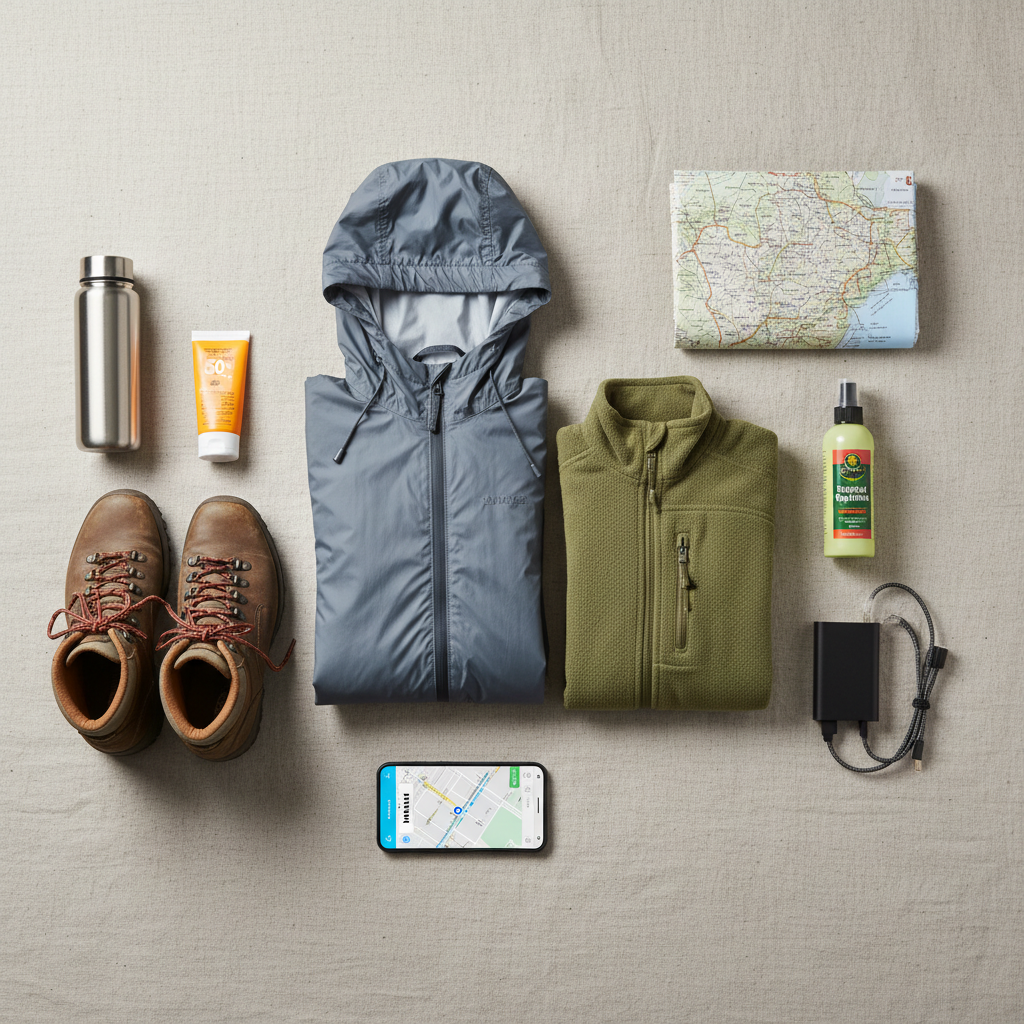
- Pack a light layer: evenings can feel surprisingly cool in higher elevations.
- Expect sudden rain: a thin rain shell beats an umbrella in wind.
- Protect electronics: humidity and rain happen, a simple dry pouch saves headaches.
Key takeaways (save this)
- One base + one side trip usually beats hopping between multiple hill towns.
- Weather determines “views,” so plan experiences that still work in mist.
- Weekends change everything, especially near major cities.
Safety, health, and etiquette: what U.S. travelers should know
Most summer hill trips are straightforward, but roads, altitude, and weather deserve respect. If you have medical conditions, it’s smart to ask a clinician about altitude and motion sickness prevention, especially if you plan to go higher quickly.
- Road safety: choose experienced local drivers for mountain routes, avoid aggressive night driving when possible.
- Altitude effects: mild headaches or sleep disruption can happen, go easy on day one and hydrate.
- Monsoon hazards: landslides and rockfall are possible in some regions, be flexible with plans.
- Wildlife zones: follow posted rules, keep distance, do not feed animals.
- Respect local norms: dress and behavior expectations vary, especially around temples and small towns.
According to Centers for Disease Control and Prevention (CDC), travelers should review destination-specific guidance for vaccines, illness prevention, and food and water safety before international trips.
Conclusion: a simple way to pick your hill station and book with confidence
If you want this to feel like a vacation, pick a region that matches your summer window, commit to one base, and build days around mornings outdoors and afternoons with flexible plans. That approach fits most hill station travel india itineraries, and it leaves room for the one thing you can’t control: weather.
Your next step is straightforward: choose your region, decide whether you prefer “iconic and busy” or “quieter and slower,” then book transport and lodging early for peak weeks, especially if you’re aiming for a view room or family-sized space.
FAQ
What is the best time for hill station travel in India during summer?
Many travelers aim for April through early June for clearer skies in several northern hill areas, while some southern hill destinations can be comfortable a bit longer. Because monsoon timing shifts, check forecasts close to departure and keep one buffer day.
Are hill stations in India safe for first-time U.S. visitors?
Many are widely visited and can feel beginner-friendly, especially established towns with strong hotel and taxi networks. Still, road conditions and weather can change fast, so conservative driving plans and flexible schedules help.
How many days do I need for a hill station trip?
For most people, 3–4 nights gives you time to settle in and enjoy mornings without rushing. If transfers are long, 5–7 days feels better because you recover from travel and still get a couple of “do nothing” blocks.
Should I book a private driver or rely on taxis?
If your plan includes multiple viewpoints or day trips, a private car with driver is usually simpler and often reduces negotiation stress. If you plan to stay mostly in town, point-to-point taxis can be enough.
What should I pack for an India hill station in summer?
Think layers and rain readiness: breathable basics, a light fleece or jacket for evenings, a rain shell, comfortable shoes with grip, sunscreen, and a power bank. If you hike, add a small first-aid kit and blister care.
Will I see snow at hill stations in summer?
In most mainstream hill towns, snow is unlikely in summer, though high-altitude areas and certain routes can still have snow patches earlier in the season. If snow is a priority, you’ll need a higher-elevation plan and realistic expectations.
How do I avoid crowds at popular hill stations?
Arrive midweek, start mornings early, and stay slightly outside the busiest core areas. Another reliable tactic is to choose a famous region but sleep in a smaller nearby town and visit the “headline” spots at off-peak hours.
Can monsoon ruin a hill station trip?
It can change the trip more than ruin it. Views may disappear, and some roads may slow or close temporarily, but misty scenery, waterfalls, and cozy stays can still be great if you plan indoor backups and avoid tight schedules.
If you’re planning hill station travel india and want a simpler path, start by telling yourself one truth: fewer transfers, more mornings, and one flexible day usually beats an overstuffed checklist, and it makes booking decisions much easier.