
Adventure travel activities can be the fastest way to turn a regular trip into a story you keep retelling, but they also come with two real problems, picking something that matches your comfort level, and not overlooking safety basics when you’re excited.
This guide sorts the high-adrenaline options into clear categories, what it feels like, what it typically costs, how hard it is to book, and what you should do before you show up. You’ll also get a quick self-check so you stop guessing and start choosing.
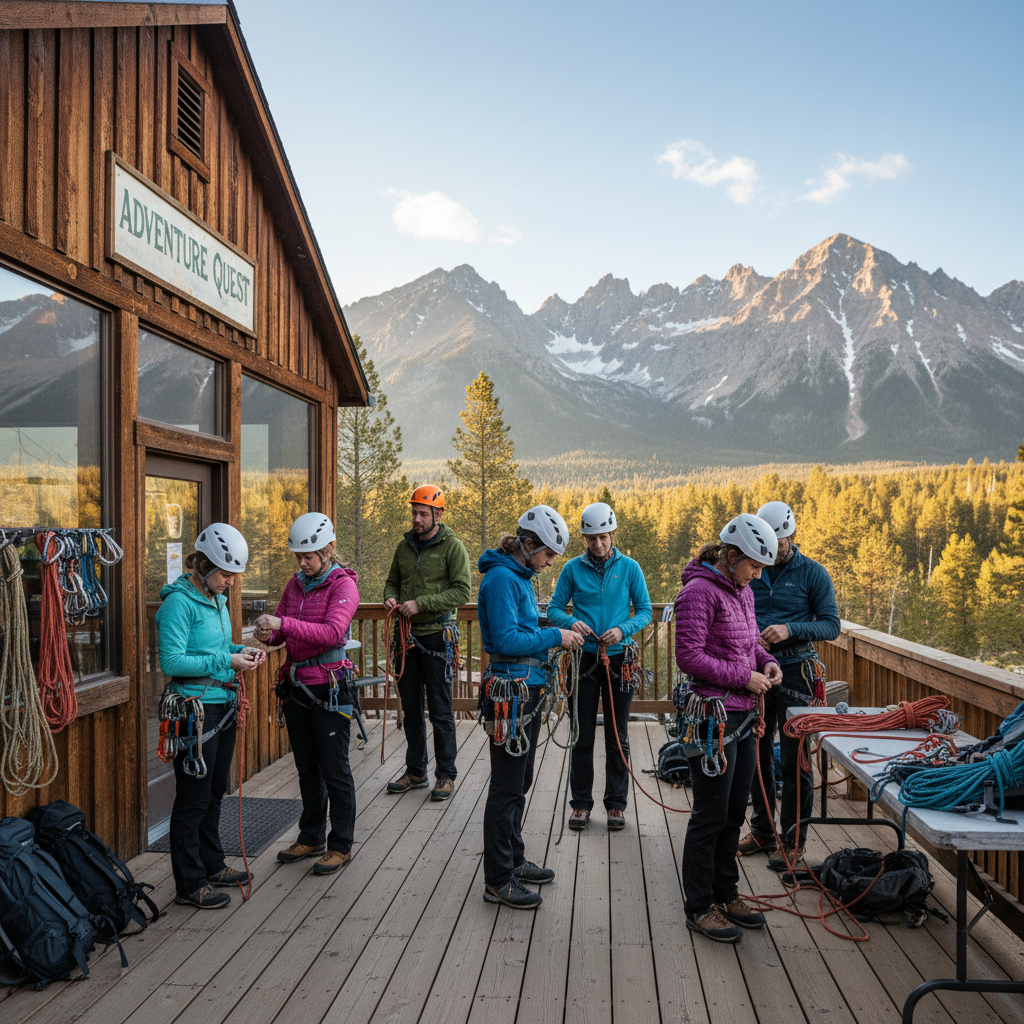
A quick expectation reset, “thrilling” is personal, what’s exhilarating for one person might feel miserable for another. The win is matching the activity to your risk tolerance, fitness, and how much time you want to spend training versus just doing.
Pick your thrill type before you pick a destination
Most adventure travel activities fall into a few “thrill styles.” If you choose the style first, the destination list becomes obvious, and you avoid booking something that looks cool on social but feels wrong in real life.
- Heights + exposure: rock climbing, via ferrata, ziplining, skydiving
- Speed + gravity: whitewater rafting, downhill mountain biking, paragliding
- Wild nature + uncertainty: backcountry hiking, wildlife safaris, canoe expeditions
- Water immersion: scuba, freediving, canyoning, surf trips
- Cold + endurance: glacier travel, ice climbing, winter trekking
Key takeaway: decide what you want to feel, not what you want to post. “I want height but not freefall” leads you to a via ferrata, not a skydive.
High-adrenaline activities that deliver (and what they really feel like)
This is the part most guides skip, the “feel.” Marketing copy says everything is “epic,” but your body notices details like cold water, motion sickness, or sustained fear. Here are options that typically satisfy adrenaline-seekers without requiring years of experience.
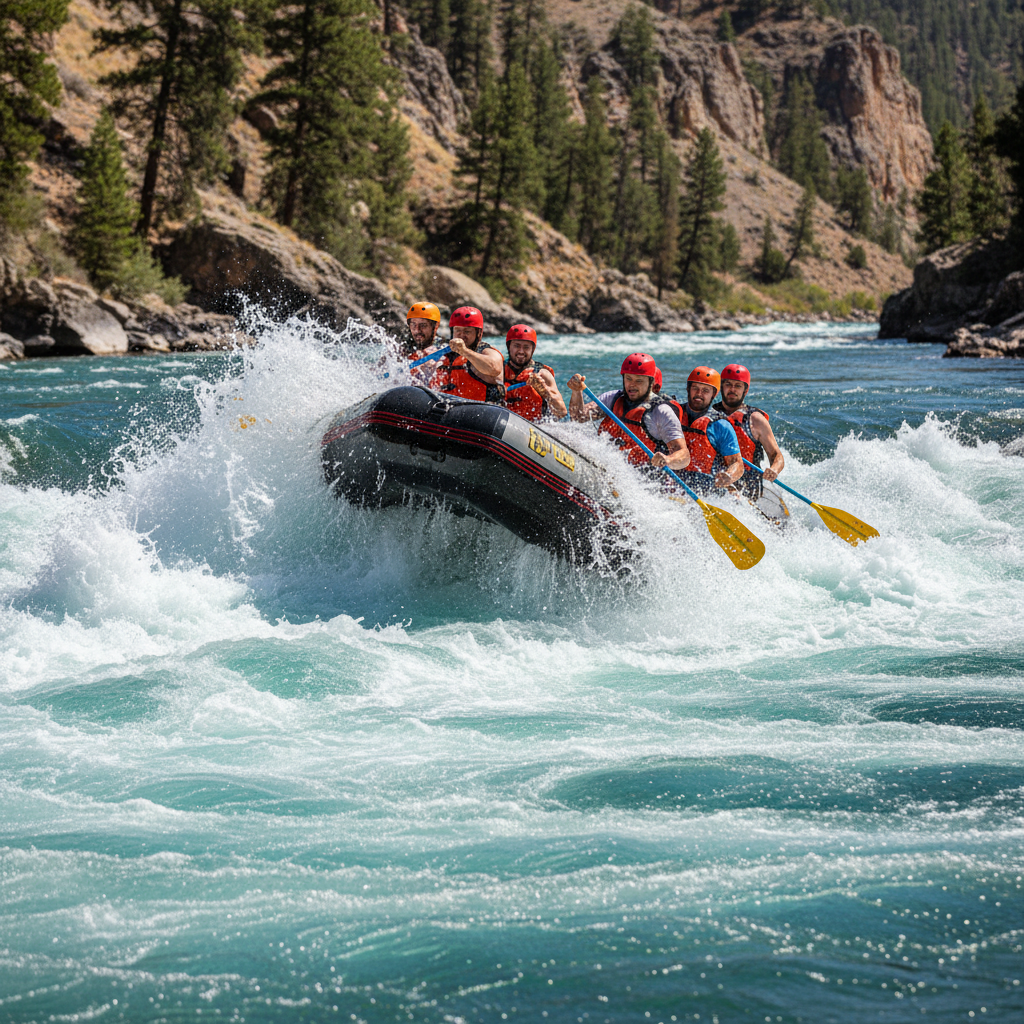
Whitewater rafting (Class III–V)
Rafting hits fast because the learning curve is short, and the sensory load is high. Expect loud water, split-second paddling, and getting soaked even on warm days.
- Good for: friend groups, first-timers who want intensity
- Watch-outs: cold shock, shoulder strain, fear of submersion
Ziplining and canopy tours
Ziplining is the “gateway” adrenaline pick, you get height and speed, but the systems are usually designed to keep the participant job simple. Great when you want fun, not a full skill course.
- Good for: mixed-skill groups, families with teens (operator rules vary)
- Watch-outs: harness comfort, weight limits, weather closures
Canyoning
Canyoning is part hike, part rappel, part water park with consequences. People love it because it stacks micro-thrills, slippery rock, jumps, cold pools, rope work.
- Good for: travelers who like variety and don’t mind being wet
- Watch-outs: flash-flood risk in some regions, ankle slips
Skydiving (tandem)
If you want a clean, concentrated hit of fear-then-euphoria, tandem skydiving is hard to beat. The “scary” part for many people is the door moment, not the freefall.
- Good for: milestone trips, confident first-timers
- Watch-outs: motion sickness, strict weather dependence, medical considerations
Scuba diving in current or deeper water (guided)
Scuba can be serene, but it becomes thrilling when depth, current, or visibility adds edge. It’s also the most training-sensitive option on this list.
- Good for: people who like skill-based thrills
- Watch-outs: ear equalization issues, anxiety underwater, certification requirements
Downhill mountain biking (park day or guided)
Mountain biking delivers repeat adrenaline in short bursts, but it’s also where “I’m athletic” can mislead people. Bike handling matters more than cardio.
- Good for: skiers/snowboarders who like downhill flow
- Watch-outs: wrist and collarbone injuries if you overreach
Quick comparison table: thrill, effort, and typical friction points
If you’re choosing between a few options, this is the fastest way to sanity-check your plan. Costs vary heavily by region, season, and operator, so treat pricing as directional rather than a quote.
| Activity | Thrill level | Training needed | Common friction | Best trip length |
|---|---|---|---|---|
| Whitewater rafting | High (rapid-dependent) | Low | Cold water, weather, schedule timing | Half-day to 2 days |
| Ziplining | Medium | Low | Weight limits, lines, rain closures | 2–4 hours |
| Canyoning | High | Medium | Wetsuit fit, slippery terrain, water levels | Half-day to full day |
| Skydiving (tandem) | Very high | Low | Weather windows, nerves, wait times | Half-day |
| Scuba (guided) | Medium to high | Medium to high | Certification, equalizing, seasickness | 1–3 days |
| Downhill MTB | High | Medium | Skill gap, rentals, protective gear comfort | 1 day+ |
Self-check: which adventure level are you actually in?
Before you commit, answer these honestly. Most regrets come from mismatching “I want adrenaline” with “I don’t want to feel out of control.”
- Fear response: When you get scared, do you freeze, laugh, or spiral?
- Control preference: Do you want to steer and brake, or are you okay being guided?
- Fitness reality: Can you hike 3–5 miles on uneven ground without feeling wrecked the next day?
- Water comfort: Are you calm with splashes in the face, or does it spike anxiety?
- Injury tolerance: Would a sprain ruin the whole trip, or do you have buffer days?
- Time to prep: Can you spend a morning learning basics, or do you need plug-and-play?
Rule of thumb: if two or more answers raise concern, choose a guided format, a lower intensity grade, or an activity where you can opt out mid-way.
Practical planning: how to book smarter and reduce risk
Adventure travel activities are usually safe when run by competent operators, but “competent” is not a vibe, it’s a set of practices. This is where a little diligence pays off.
What to ask an operator (without sounding like you’re interrogating them)
- What is the guide-to-guest ratio on my trip?
- What certifications do guides typically hold for this activity?
- What happens if weather changes mid-activity?
- Is all safety gear included, and how often is it inspected or replaced?
- What’s the most common reason guests can’t participate that day?
According to OSHA, employers must provide a workplace free from recognized hazards, and while recreation operators aren’t all regulated the same way everywhere, the mindset is still useful, a professional outfit treats hazard management as routine, not as an afterthought.
Personal prep that actually matters
- Sleep and hydration: nerves feel worse when you’re under-rested
- Footwear you trust: slick surfaces punish fashion sneakers
- Motion sickness plan: if boats or winding roads bother you, plan ahead and consider a clinician’s advice
- Warmth layer: “It’s summer” doesn’t help when water is snowmelt
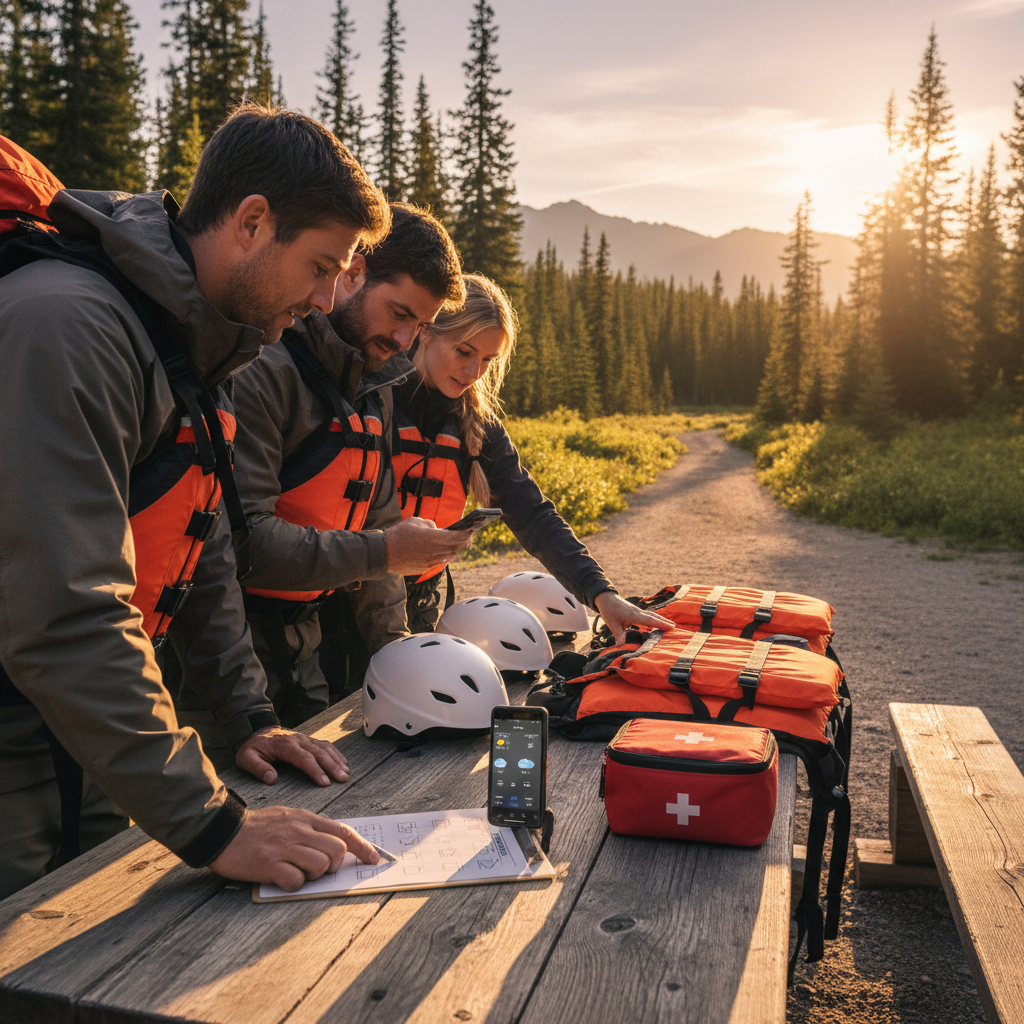
Common mistakes that ruin the experience (even if nothing “goes wrong”)
People assume the only bad outcome is an accident. In reality, the more common loss is paying for a big day and feeling stressed, cold, or embarrassed the whole time.
- Over-indexing on the highlight reel: you choose intensity over enjoyment, then spend the day in survival mode
- Ignoring conditions: wind, swell, runoff, and heat can change the whole difficulty
- Skipping the briefing mentally: you’re present physically, but your brain is already at the “cool part”
- Bad timing: stacking a huge adrenaline day after a red-eye flight often backfires
- Underestimating cold: cold water and wind drain energy fast, which makes fear louder
Key point: the goal isn’t to “tough it out,” it’s to stay alert enough to enjoy it.
When to get professional guidance (or medical advice) before you go
Some situations deserve a pause. Not because you can’t do the activity, but because you’ll have a better outcome with the right prep.
- Health considerations: heart conditions, asthma, recent injuries, pregnancy, or a history of fainting, a clinician can help you evaluate what’s reasonable
- Scuba and equalization: repeated ear issues are common, and pushing through can be risky
- Backcountry trips: if you’ll be out of cell range, a certified guide or reputable outfitter reduces decision fatigue
- Fear or panic: if panic has shown up before, pick guided formats and ask about exit options
According to CDC, travelers should plan for health needs in advance and understand risks specific to their itinerary, which is especially relevant when your trip includes remote terrain or water-based activities.
Conclusion: choose the thrill that fits, then commit to doing it well
The best adventure travel activities feel intense and surprisingly manageable at the same time, that usually happens when your choice matches your comfort with height, speed, water, or uncertainty. If you’re torn, pick the option with clearer instruction and easier exit points, you’ll build confidence faster.
Next steps: shortlist two activities, ask operators the five questions above, then plan one small prep step this week, a fitness session, a gear check, or a basic lesson. Momentum matters more than hype.
FAQ
What are the best adventure travel activities for first-timers who want real adrenaline?
Whitewater rafting on an appropriate class river, ziplining, and tandem skydiving are common picks because you can get a big thrill with structured guidance. The “best” choice depends on whether heights or water feels easier for you.
How do I know if an operator is reputable?
Look for clear safety briefings, transparent policies around weather and cancellations, well-maintained gear, and guides who explain decisions calmly. If they brush off questions or rush you through concerns, that’s useful information.
Is skydiving safer than it feels?
It often feels scarier than it is because your brain reacts to the door moment and the sensation of freefall. Safety depends on the dropzone’s procedures and conditions, so ask about weather minimums and how they handle delays.
Do I need to be in great shape for adventure trips?
Not always. Many experiences are more about comfort and mobility than athletic performance. If you can walk on uneven ground and handle a few hours outside, you can usually find a good match.
What should I pack for an adventure day besides the obvious?
A warm layer, sunscreen, water, and a simple snack cover a lot. If you’re doing water activities, consider quick-dry basics and a plan for keeping your phone and ID dry.
How can I reduce anxiety before a high-thrill activity?
Choose a guided format, arrive early, and listen closely to the safety talk so your brain has a script to follow. Many people also do better when they avoid caffeine and prioritize sleep the night before.
Are adventure travel activities worth it if I only have one free day?
Yes, as long as you pick something logistically simple, like rafting, ziplining, or a guided half-day canyoning trip. Avoid plans with long transfer times and high weather volatility if your schedule has no flexibility.
Looking for an easier way to plan?
If you’re trying to fit adventure travel activities into a tight itinerary, or you’d rather not vet gear, guides, and logistics on your own, a reputable local outfitter or a guided day package can be a calmer path, you still get the thrill, with fewer moving parts to manage.