
how to make family travel fun for kids usually comes down to one thing, making the trip feel like it belongs to them too, not just something they have to “get through.”
If you have ever planned a perfectly logical itinerary and still ended up negotiating snacks at the gate or dealing with a sudden “I’m bored” five minutes into the drive, you already know why this matters, travel amplifies small issues fast.
This guide focuses on practical levers that tend to work for many families, expectations, rhythm, small choices, and a few lightweight rituals that kids actually remember, without turning you into a cruise director.
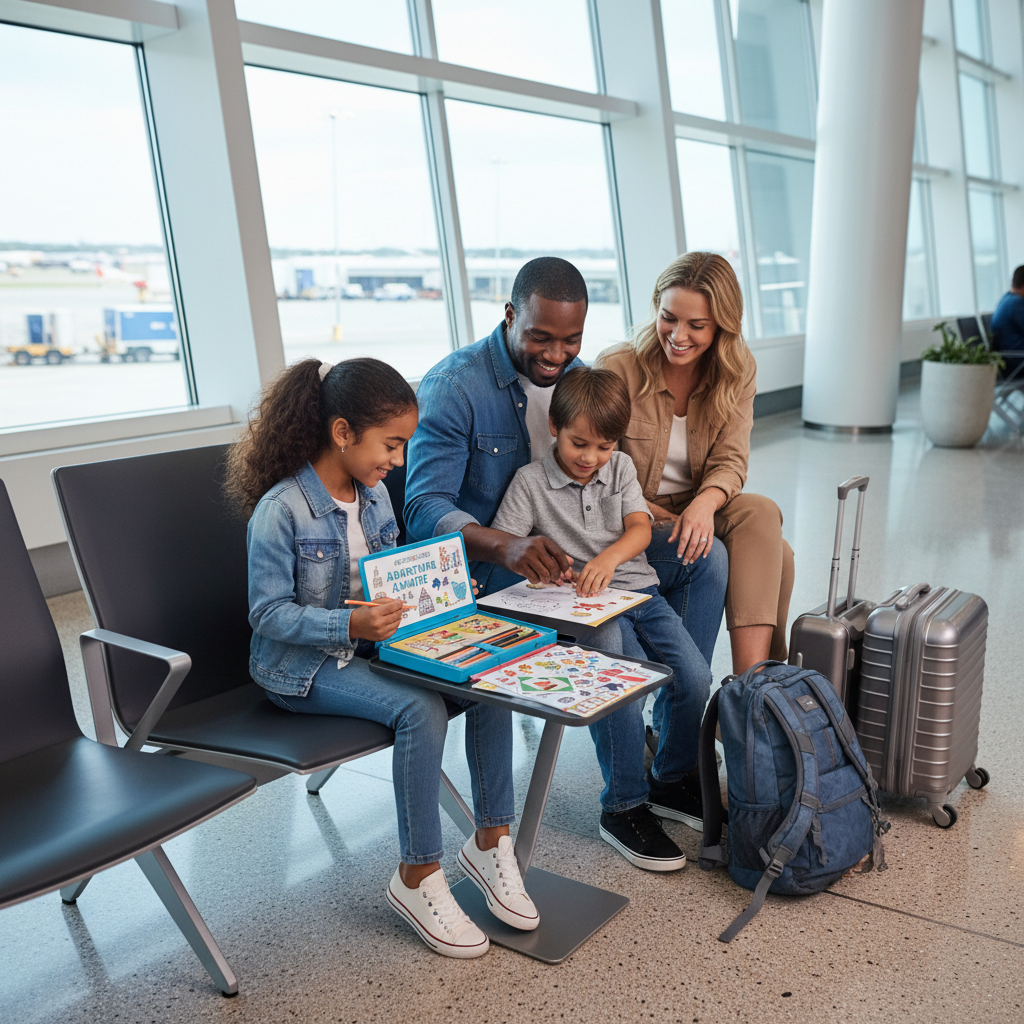
Start with the real reason kids struggle on trips
Most travel problems that look like “bad behavior” are really about regulation, kids lose their normal anchors, meal timing, sleep cues, familiar spaces, even predictable rules.
When you view it that way, how to make family travel fun for kids becomes less about adding more entertainment and more about removing surprise stressors.
Common trip triggers (and what they look like)
- Waiting with no endpoint: security lines, boarding delays, check-in queues, the “how long?” loop.
- Hunger and thirst: kids often notice too late, then emotions spike.
- Too many transitions: car to shuttle to lobby to elevator to room, it is a lot.
- Overstimulation: bright lights, crowds, noise, new smells, constant instructions.
- Loss of control: adults decide everything, kids feel dragged along.
According to the American Academy of Pediatrics (AAP), routines and consistent sleep schedules support children’s well-being, which is why trips that ignore rhythm can get rocky quickly.
Plan around your “family rhythm,” not an ideal itinerary
A realistic schedule beats an ambitious one, especially with younger kids. Many families do better with one main activity per day, plus a flexible buffer that can absorb delays, naps, or mood shifts.
If you want how to make family travel fun for kids to feel effortless, build the day around predictable peaks and dips, then layer fun on top.
A simple daily structure that travels well
- Morning: one “must-do” activity while energy is high.
- Midday: food plus downtime, even if nobody naps.
- Afternoon: optional second activity or low-stakes exploring.
- Evening: easy dinner and an early-ish wind-down plan.
For multi-stop trips, it often helps to choose fewer bases and take day trips, repacking every night is where a lot of families quietly lose patience.
Give kids small control, it changes everything
Kids do not need to run the trip, but they do need ownership. A few controlled choices reduce pushback and make cooperation feel less like surrender.
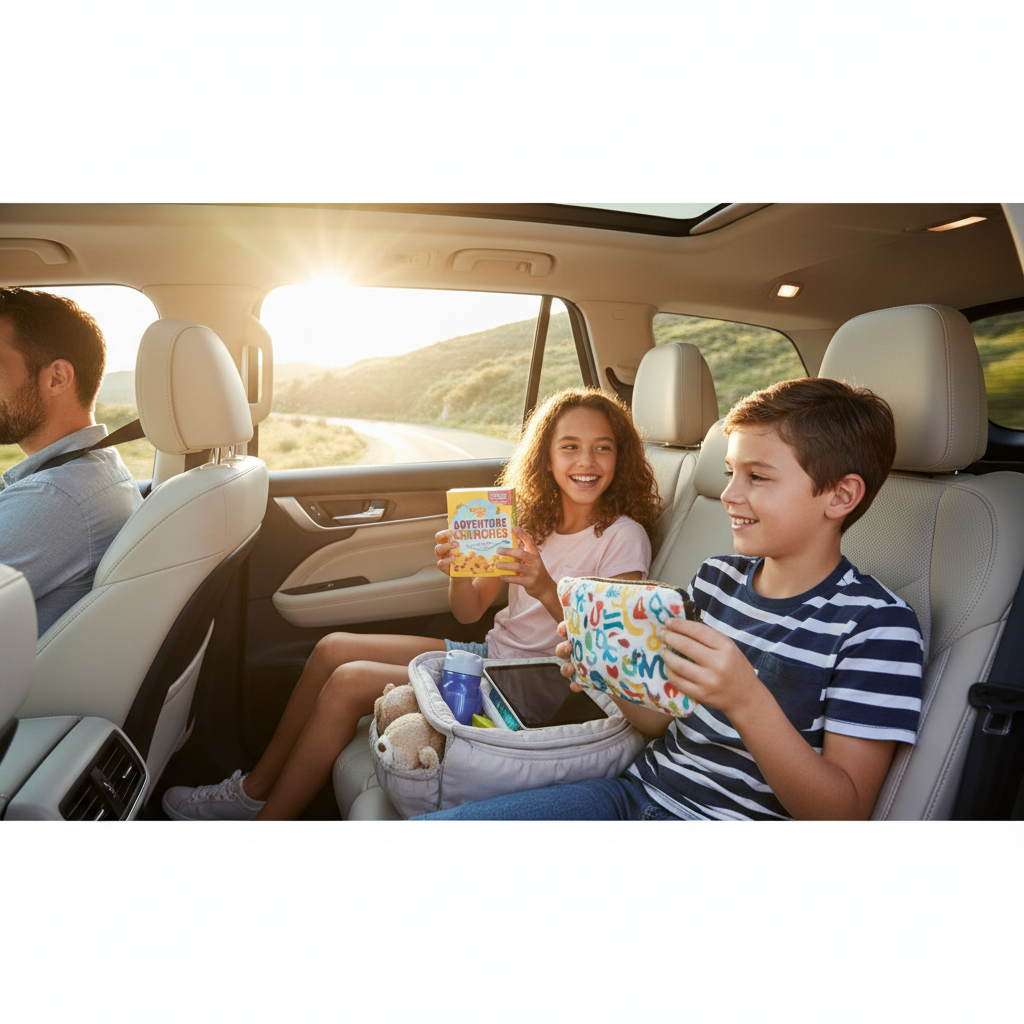
Low-effort choices that work in real life
- Pick one of two breakfasts, not “what do you want?”
- Choose the first stop, playground or ice cream.
- Hotel “job,” key-card holder, button pusher, map checker.
- Souvenir rule, one small item, kid chooses when, parent sets budget.
One trick many parents like, let each kid “own” a single day highlight, their museum, their beach hour, their donut shop, their pick counts, and the rest of the time they are less likely to fight you.
Use a travel fun toolkit that is light, not loud
Entertainment helps, but novelty matters more than quantity. You do not need a suitcase of toys, you need a few items that feel “new enough” and work across settings.
What to pack for different ages
| Age | What keeps them engaged | Why it works |
|---|---|---|
| Toddlers (1–3) | Sticker books, water-reveal pads, simple pop-it, snack necklace | Hands-on, low mess, quick resets |
| Preschool (3–5) | I-spy cards, mini figurines, magnetic drawing board, story audio | Imagination plus short attention cycles |
| Kids (6–9) | Travel bingo, small card games, kid camera, scavenger hunt list | Goal-based play and “mission” energy |
| Tweens (10–12) | Playlist making, photo challenges, journaling prompts, puzzle apps | Independence without social pressure |
| Teens (13+) | Local food ranking, short solo time, content creation plan, thrift hunt | Identity, autonomy, social storytelling |
Key point: if screens are part of your plan, treat them like a tool, not a moral debate, pre-download content, bring kid headphones, decide your “no-screen” windows ahead of time so you are not negotiating mid-meltdown.
Turn the logistics into games kids can win
Some families chase big attractions, but daily friction usually comes from logistics, walking, waiting, and “not yet.” The fastest way to make things feel fun is to add a simple game layer to the boring parts.
Easy travel games for airports, cities, and long drives
- 3-Things Challenge: spot three red signs, three hats, three dogs.
- Photo Missions: take a picture of a funny door, a cool mural, a local snack.
- Snack Timer: set a realistic timer, when it ends, snack break.
- Map Navigator: kids track the next two turns or stops.
- Quiet Contest: who can be silent until the next light, make it playful, not punitive.
When people ask how to make family travel fun for kids, this is one of the most overlooked moves, you are not adding more stuff, you are changing the frame.
Food, sleep, and breaks: the unglamorous trio that decides the trip
This part is not exciting, but it is where family trips are won. If a child is overtired or hungry, even the best destination will not land the way you hope.
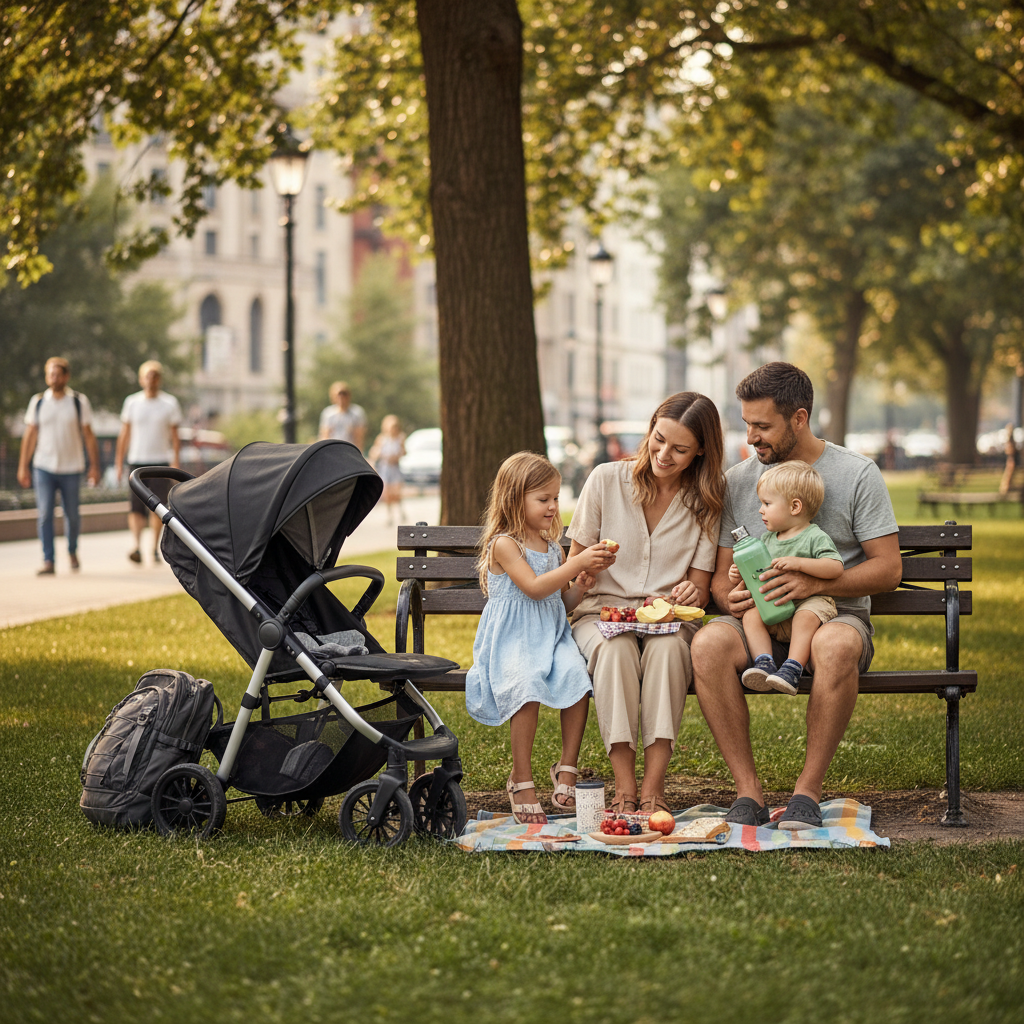
Practical guardrails that prevent most meltdowns
- Snack cadence: offer small snacks before kids ask, especially during waits.
- Hydration cues: water at every transition, car to hotel, hotel to outing.
- Sleep protection: keep bedtime within a reasonable range when possible, late nights stack fast.
- Movement breaks: every 60–90 minutes for younger kids, even a five-minute walk helps.
According to the Centers for Disease Control and Prevention (CDC), proper hand hygiene helps reduce the spread of germs, so packing sanitizer and using it before meals can be a small habit that saves a lot of hassle on the road.
If your child has medical needs, motion sickness, severe allergies, or anxiety, it is wise to plan with your pediatrician or relevant clinician, especially for longer flights or international trips.
A quick self-check: what kind of family trip do you need right now?
Not every season of family life supports the same style of travel. Use this short checklist to pick a trip you can actually enjoy, not just survive.
- If naps or early bedtime are non-negotiable, choose one-base trips, short drives, and lodging with quiet evenings.
- If your kids struggle with crowds, prioritize nature, off-peak museum hours, and “skip-the-line” planning when available.
- If sibling conflict spikes in tight spaces, plan for separation moments, one parent takes a walk, the other does a quick store run.
- If you are already exhausted, reduce decision load, repeat breakfasts, limit daily activities, pre-book one easy win.
- If kids are older and restless, add challenges, food quests, photo scavenger hunts, and one “cool” activity they can brag about.
This is also where budget matters, a shorter trip with less friction often feels better than a longer one that stretches everyone thin.
Common mistakes that make travel harder than it needs to be
A few patterns show up again and again, and they usually come from good intentions.
- Over-planning every hour: when one thing slips, the whole day feels “ruined,” build slack.
- Saving all the fun for later: kids need early wins, not just a promise of tomorrow.
- Skipping downtime because you paid for the trip: rest is part of the product, especially with kids.
- Assuming kids will adapt without support: new places are exciting and stressful at the same time.
- Making snacks a bargaining chip: it can backfire, use snacks as fuel, not leverage.
When you feel stuck, zoom out and ask, “Are we asking for flexibility when they have zero capacity left?” That question fixes a lot.
Practical 24-hour plan: what to do before, during, and after travel day
If you want a simple system for how to make family travel fun for kids, this is the one many parents can stick with even when packing gets chaotic.
The day before
- Show kids 3–5 pictures of the destination and one thing they can look forward to.
- Pack one “surprise” item per kid, a new sticker set, a small card game, a new pen.
- Agree on two rules that matter, for example, stay close in crowds, and we use indoor voices in the hotel hallway.
Travel day
- Start with food and water, then bathroom, then the next step.
- Use micro-milestones, “After security we pick a snack,” “After takeoff we do the photo mission.”
- Keep one calm-down option handy, comfort item, audiobook, quiet game, breathing app, whatever fits your child.
Arrival day
- Do a 20-minute “orientation loop,” find the bathroom, elevator, water source, and a nearby easy food option.
- Let kids unpack one small category, pajamas or toiletries, so the room feels theirs.
- Choose a low-effort first win, pool hour, playground, dessert walk, then call it early.
Key takeaway: kids remember how a trip felt more than they remember the landmark, so protect the mood as carefully as you protect the tickets.
When it might be worth getting extra help
If travel consistently triggers intense anxiety, panic, or prolonged meltdowns that do not improve with routine, it may help to talk with a pediatrician or a child therapist for strategies tailored to your child.
Likewise, if motion sickness is frequent, or if your child has sleep issues that worsen on trips, professional guidance can save you from guessing and trying random fixes.
Conclusion: keep it simple, then make it yours
how to make family travel fun for kids is rarely about finding a secret hack, it is usually about rhythm, small choices, and a few playful rituals that lower stress for everyone.
If you want an easy place to start, pick one daily highlight, protect food and sleep windows, and pack a tiny novelty kit, then let the rest of the trip breathe a little, your future self will thank you.