
how to travel canada on a budget comes down to a few big decisions you make early: when you go, how far you try to cover, and whether you build the trip around flights or ground travel.
Canada can feel pricey fast, especially if you treat it like a quick “hit the highlights” tour across multiple provinces. Distances are huge, hotels spike in peak season, and popular parks come with extra fees that add up if you don’t plan for them.
Still, a budget-friendly Canada trip is realistic for most travelers from the U.S. if you’re willing to trade a little convenience for smart timing, tight routing, and a few habits that keep daily costs under control. This guide focuses on practical moves you can actually use, not “skip coffee forever” advice.
Pick the right season (your budget starts here)
For many trips, the cheapest lever is simply when you visit. Shoulder seasons often mean lower room rates, more award-seat availability, and fewer “last-minute” charges when everything sells out.
- Late spring and early fall: Often the sweet spot for cities like Vancouver, Montreal, Toronto, and Halifax, with milder weather and fewer crowds.
- Summer: Great vibes, but it’s also when rates and demand usually peak, especially near national parks and lake towns.
- Winter: Can be excellent value in major cities, but mountain destinations may get expensive due to ski season, plus you may need winter driving confidence.
One more detail people miss: Canada’s holidays and long weekends can shift prices even outside summer. If your dates are flexible by even 2–3 days, you may see noticeably cheaper stays.
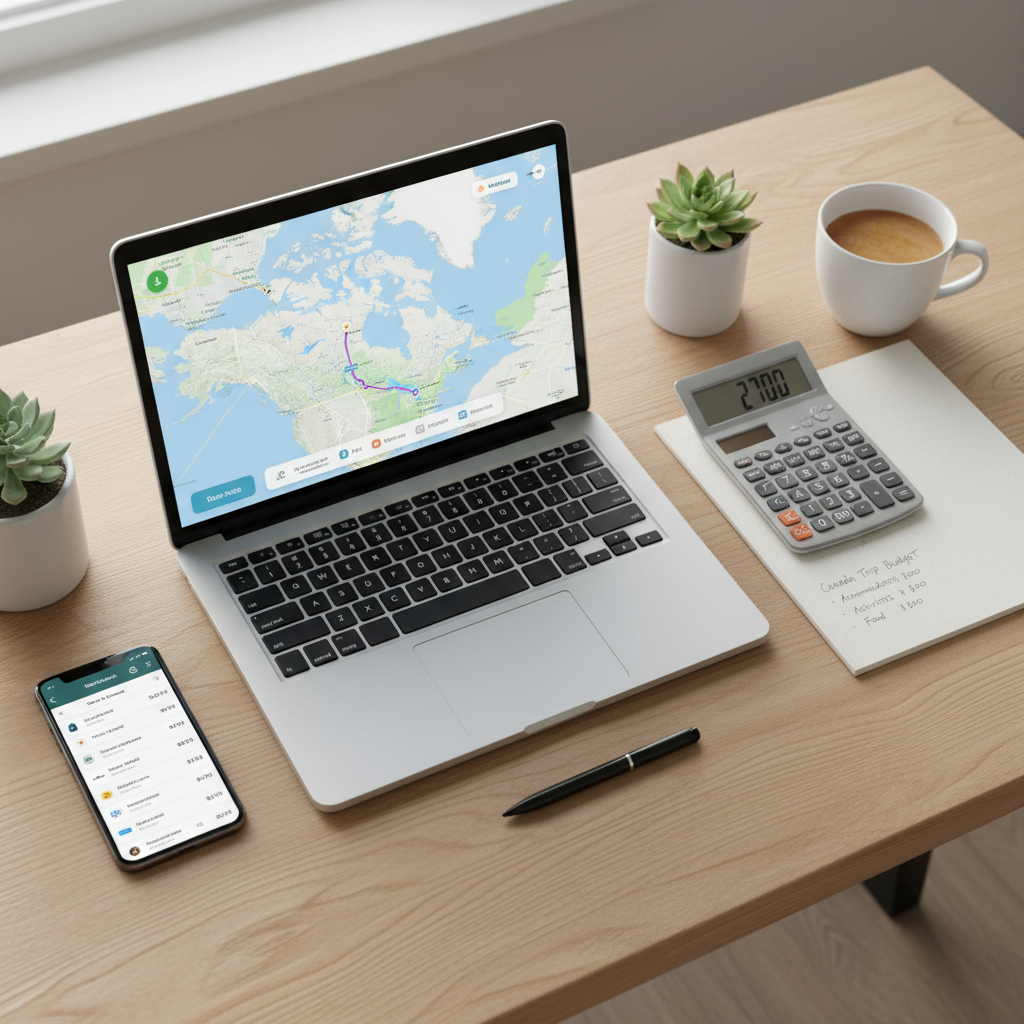
Build a route that saves money (and sanity)
The biggest “budget trap” is trying to cover too much ground. A cross-country trip sounds fun, but in practice it often forces expensive one-way flights, rushed schedules, and costly overnight stops.
A cheaper approach is to choose one region and go deeper, not wider. Think of Canada as multiple trips, not one.
Budget-friendly regional trip ideas
- Quebec + Ontario cities: Montreal → Quebec City → Ottawa → Toronto, using trains/buses and cheap neighborhood stays.
- British Columbia urban + coast: Vancouver + Victoria, with public transit and walkable neighborhoods.
- Alberta “one hub” plan: Fly into Calgary, then base yourself and do day trips instead of moving hotels constantly.
- Atlantic Canada sampler: Halifax as a base, then short hops if you rent a car for a few days only.
According to Parks Canada, many national parks and historic sites require entrance fees, and some areas use reservation systems in peak months. Budgeting these early helps you avoid paying premium prices nearby because you “have to” stay close.
Transportation: where budgets break (and how to keep yours intact)
Transportation is usually the largest variable cost after lodging. The goal is to match your travel style to the most cost-effective mode, rather than defaulting to what feels easiest.
Flights: use them strategically
- Open-jaw tickets (fly into one city, out of another) can save backtracking costs, but compare against round-trip plus a cheap train.
- Watch baggage fees: a “cheap” fare gets expensive fast if you add bags both ways.
- Consider secondary airports when it makes sense, but be honest about ground transport costs and time.
Trains and buses: great for certain corridors
For popular routes like Montreal–Quebec City or Toronto–Ottawa, ground travel often feels simpler than flying. It also helps you avoid airport transfers and extra fees.
Car rentals: powerful, but not always cheaper
Renting a car can be the right move for national parks, small towns, and Atlantic routes, but costs creep in via fuel, insurance, parking, and one-way drop fees. If you only need a car for part of the trip, consider renting for 2–4 days mid-trip rather than the whole time.
According to the Government of Canada, requirements for driving can vary by province and situation, and travelers should confirm rules for licenses and insurance before driving. If winter conditions are possible, it’s usually safer to plan conservatively and ask your rental provider about equipment and policies.
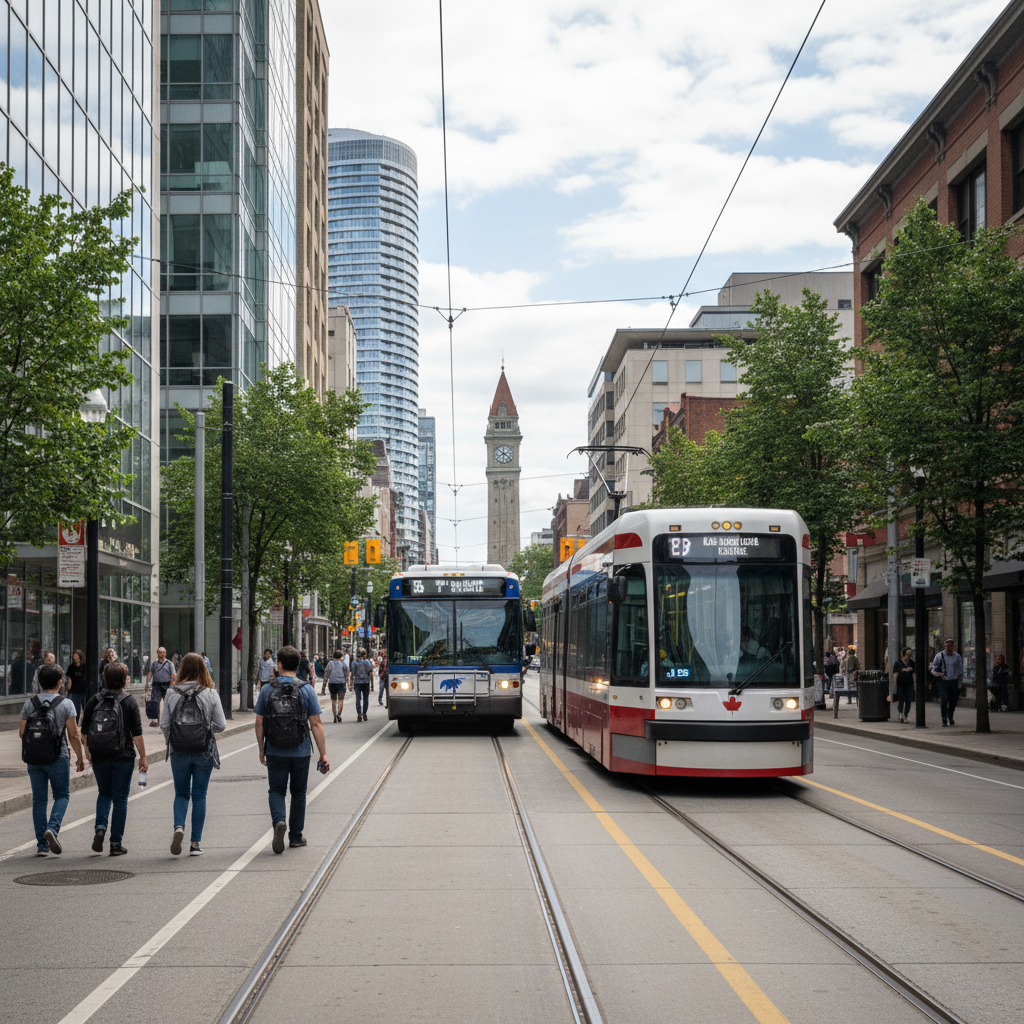
Lodging: lower your nightly rate without hating your stay
If you’re serious about how to travel canada on a budget, you’ll want to treat lodging as a strategy, not a single decision. The trick is to cut cost while keeping sleep quality and commute time reasonable.
What usually saves the most
- Stay slightly outside the “tourist core”: One or two subway stops away can mean big savings.
- Choose private rooms over entire units when you don’t need a full apartment.
- Book longer stays: Many places discount weekly stays, and you reduce moving-day costs.
- Travel with one other person: Splitting a private room or modest hotel often beats solo pricing.
Also, don’t ignore the boring stuff: laundry access, a mini-fridge, and a kettle can reduce your food spend more than you’d expect.
Food: eat well without turning every meal into a splurge
Food costs balloon when every day includes sit-down brunch, drinks, and a “must-try” restaurant. You can still enjoy Canadian food culture by mixing in lower-cost meals that feel like part of the trip, not a sacrifice.
- Anchor one meal per day: Pick one “nice” meal, keep the others simple.
- Use grocery stores intentionally: Breakfast foods, fruit, and ready-made salads can cover 30–40% of your meals without feeling repetitive.
- Look for lunch specials: Many restaurants price lunch far lower than dinner for similar dishes.
- Bring a refillable bottle: Small habit, steady savings.
In tourist-heavy areas, the same dish can cost noticeably more within a two-block radius. If you walk 10 minutes away from major attractions, prices often calm down.
Attractions and parks: plan for fees, then cut them smartly
Canada’s cities have plenty of free wins, but many iconic experiences involve entrance fees, reservations, or parking charges. This is where a simple plan keeps you from paying “panic prices.”
Practical ways to spend less
- Prioritize 1–2 paid highlights per city, then fill the rest with parks, markets, neighborhoods, and viewpoints.
- Bundle days: Do your paid attractions on the same day to reduce transit and “extra coffee” spending.
- Check city passes carefully: They can be a deal if you’ll truly use multiple included items, but they’re not automatic savings.
- Reserve early for popular park shuttles or timed entries when applicable, since last-minute options may push you into pricier lodging nearby.
According to Parks Canada, rules and reservation needs can change by season and location, so it’s worth confirming details on official pages before you lock your itinerary.
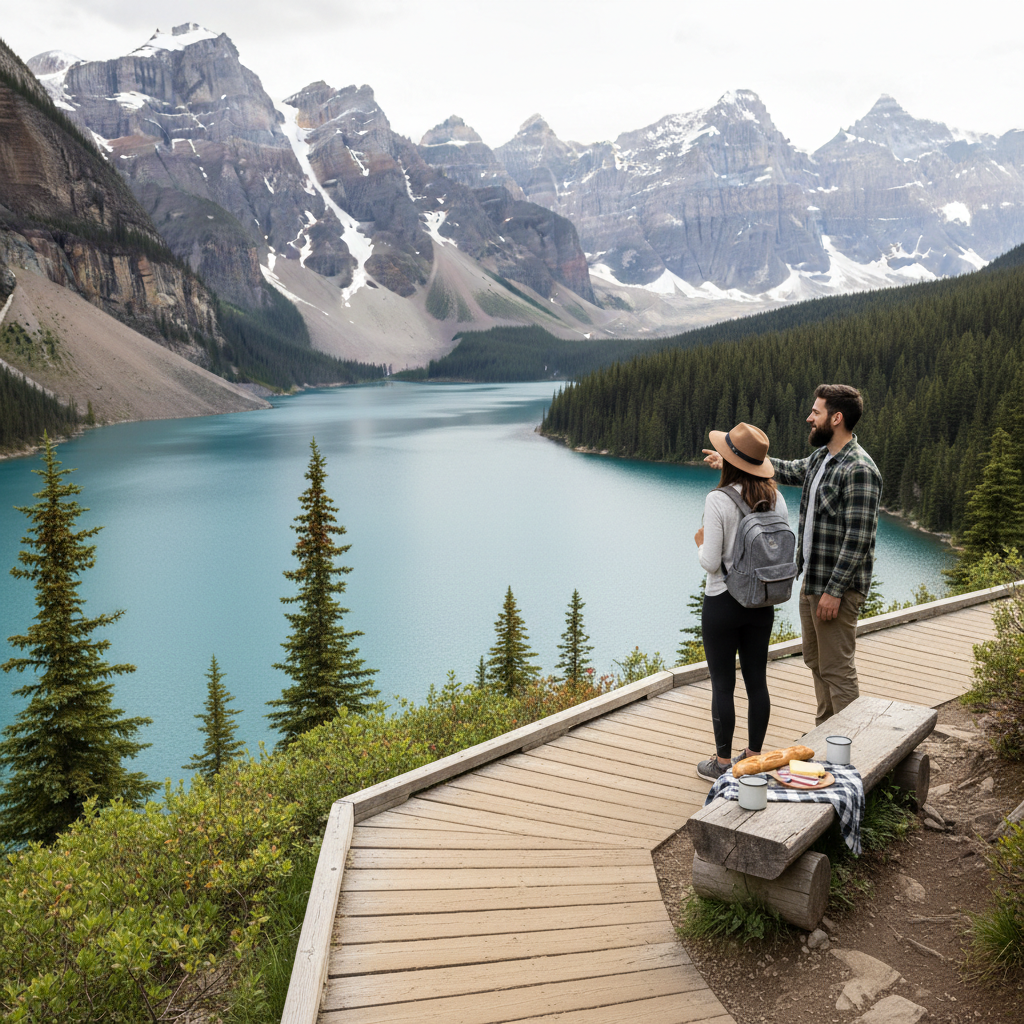
Quick budget checklist + a sample cost table
Before you book anything, run this quick self-check. If you answer “yes” to more than a couple, your plan probably needs a tweak.
- Are you visiting in peak summer without booking lodging well ahead?
- Are you trying to cover more than 2–3 cities plus nature stops in one week?
- Are you relying on last-minute one-way flights inside Canada?
- Does your plan require a car every day even in a walkable city?
- Do you have more than one “big-ticket” paid activity per day?
Here’s a simple way to estimate a mid-range “budget-conscious” daily spend. Your numbers will vary by city, season, and travel style, but the structure helps you plan.
| Category | What to budget (per person/day) | How to keep it lower |
|---|---|---|
| Lodging | Moderate shared room or off-center hotel split | Stay 2–4 stops outside downtown, book longer blocks |
| Local transportation | Transit passes + occasional rideshare | Walkable neighborhoods, avoid daily car rentals |
| Food | One restaurant meal + simple meals | Groceries for breakfast, lunch specials, water bottle |
| Attractions | 1–2 paid items every other day | Free parks/markets, bundle paid days, reserve early |
| Buffer | Small cushion for surprises | Set a daily cap, track spend every evening |
Key takeaways and a realistic action plan
If you want to travel Canada cheaply without turning the trip into a chore, keep it simple: pick one region, go in shoulder season when possible, and choose the transportation mode that fits that region.
- Decide your region first, then price flights and lodging around that choice.
- Lock lodging early for any park-adjacent areas, even if you stay farther out.
- Plan your “paid days” and protect the rest with free, flexible activities.
- Track spending lightly: 3 minutes per night is usually enough to stay on course.
If you’re planning how to travel canada on a budget with limited PTO, a practical next step is to pick two potential date windows and price the same route in both. The cheaper window often becomes obvious, and that decision alone can fund a nicer experience once you arrive.