
Canoeing travel guide scenic trips starts with one simple goal, get you on the water with fewer surprises and more views worth slowing down for.
If you have ever opened a map, saw a blue line, and thought “that looks doable,” you are not alone, but the gap between a pretty shoreline and a smooth day paddle is usually wind, access, shuttle logistics, and what you pack.
This guide focuses on the real decisions that shape scenic canoe outings in the U.S., how to choose water that matches your skill, how to plan a route that feels relaxed instead of rushed, and how to stay on the right side of safety without turning the trip into a chore.
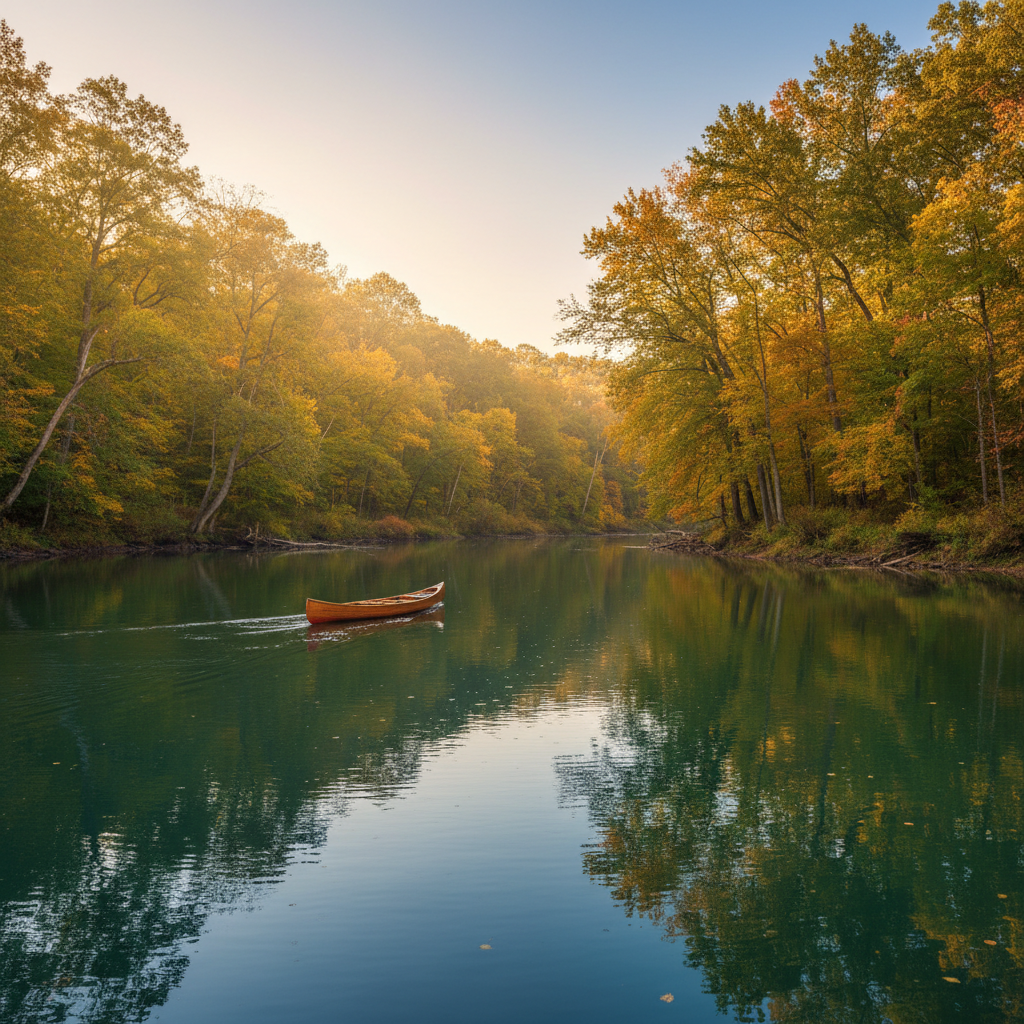
How to choose a scenic canoeing destination (without overreaching)
Scenery is easy to find, the trick is finding scenery that stays pleasant once wind, current, and crowds show up. For most travelers, a “scenic” outing feels best when you spend more time looking around than correcting your line every ten seconds.
What usually makes a waterway feel truly scenic
- Protected shorelines like marshes, tree corridors, or canyon walls that block wind and keep the water readable
- Slow-moving current that helps you drift, but does not force constant course correction
- Clear access points with a known launch and take-out, not a mystery pull-off
- Wildlife windows such as dawn and late afternoon paddles, when the water often feels calmer too
Scenic water types and what they demand
Different “pretty” water comes with different work, and a canoe reacts to each in its own way.
| Water type | Why it looks great | Common challenge | Best for |
|---|---|---|---|
| Small rivers | Tree tunnels, wildlife, variety | Shuttles, strainers, shallow spots | Half-day to full-day trips |
| Lakes | Big vistas, islands, sunsets | Wind and waves build fast | Early starts, shoreline routes |
| Reservoirs | Reliable access, long coves | Motorboat traffic | Easy logistics, weekday paddles |
| Tidal marsh/estuary | Birdlife, golden-hour light | Tides, mudflats, navigation | Guided trips or tide-aware planners |
Quick self-check: what kind of trip fits you right now?
Before you lock in a route, be honest about what you want the day to feel like. Most “bad” canoe days are just mismatched expectations.
- If you want a relaxing scenic float, pick a slow river with easy take-outs, avoid big open lakes unless the forecast stays calm
- If you paddle only a few times a year, keep the distance modest, short trips feel longer when you add photos, snacks, and minor wrong turns
- If you go with kids or mixed-skill friends, choose protected water and plan extra time for breaks and shoreline resets
- If you dislike logistics, favor out-and-back routes on lakes, coves, or calm bays, no shuttle needed
- If you love a challenge, do it on purpose, not by accident, plan for wind, waves, and exit options
Key point: A canoeing travel guide scenic plan should match your comfort with wind, navigation, and self-rescue, not just your appetite for views.
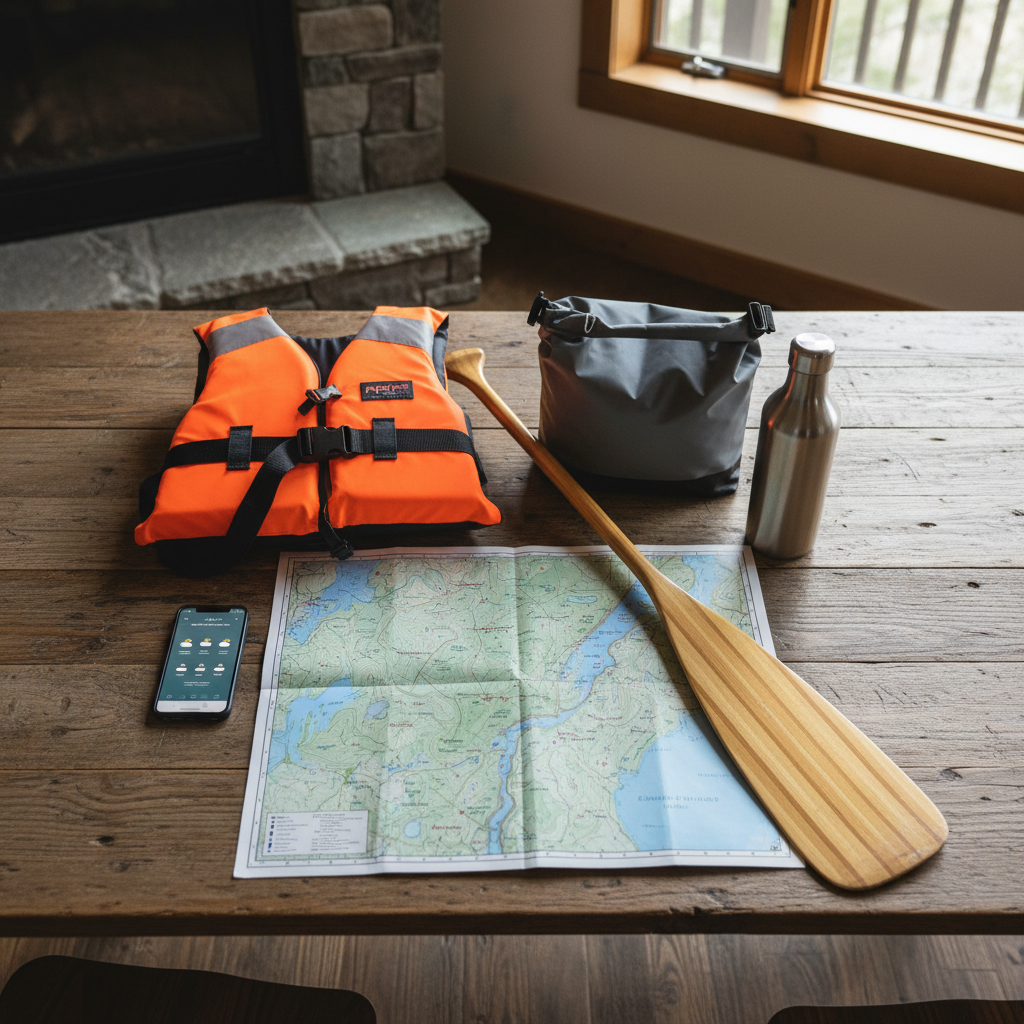
Route planning that keeps the day scenic, not stressful
Route planning sounds nerdy, but it is the difference between “we could stay out here all day” and “why are we still paddling into headwind.”
Distance, time, and the sneaky slowdown factors
- Wind turns an easy return paddle into a grind, especially on open water
- Current helps one direction and punishes the other, plan your harder leg earlier
- Photo stops add real time, scenic trips invite them, so build them in
- Portages look short on maps but can burn energy fast with a loaded canoe
Access, shuttles, and permits
Many scenic river trips are point-to-point, which means a shuttle. If you rent, outfitters often solve this, and that is one reason rentals can be worth it even for experienced paddlers.
According to National Park Service, each park sets its own boating rules and permit requirements, so you typically want to check the specific site for launch locations, seasonal closures, and required safety gear.
Gear that makes scenic paddling easier (and safer)
You can canoe with very little, but comfort and safety usually come from a few smart choices, not from packing everything you own.
Essentials you should not debate
- PFD for each paddler, properly sized and worn, not buried under a seat
- Spare paddle if you are away from shore or on longer routes
- Dry storage for phone, car keys, and insulating layer
- Water and calories, scenic days often run longer than planned
Comfort upgrades that pay off fast
- Sit pad or canoe seat back if your boat allows it
- Sun protection kit including sunglasses and sunscreen, glare wears people down
- Light rain layer, weather changes feel bigger on water
According to U.S. Coast Guard, recreational boating rules vary by state, but carrying required safety equipment and wearing life jackets, especially for children, is a common emphasis. If you are unsure what applies where you launch, a local outfitter or state boating agency can clarify quickly.
On-water skills that keep the views coming
Most beginners think “scenic” means no skill needed, but basic technique is what lets you relax and look up.
Simple techniques that reduce fatigue
- Paddle cadence over power, steady strokes beat hero pulls
- Trim the canoe by balancing weight front to back, poor trim makes you fight the boat
- Stay near shore when wind rises, you keep escape options and often find calmer water
Group habits that prevent small problems
- Agree on a turnaround time, not just a turnaround place
- Keep the strongest paddler in the stern when possible, steering matters
- Check in at obvious landmarks, especially on marshes and big lakes
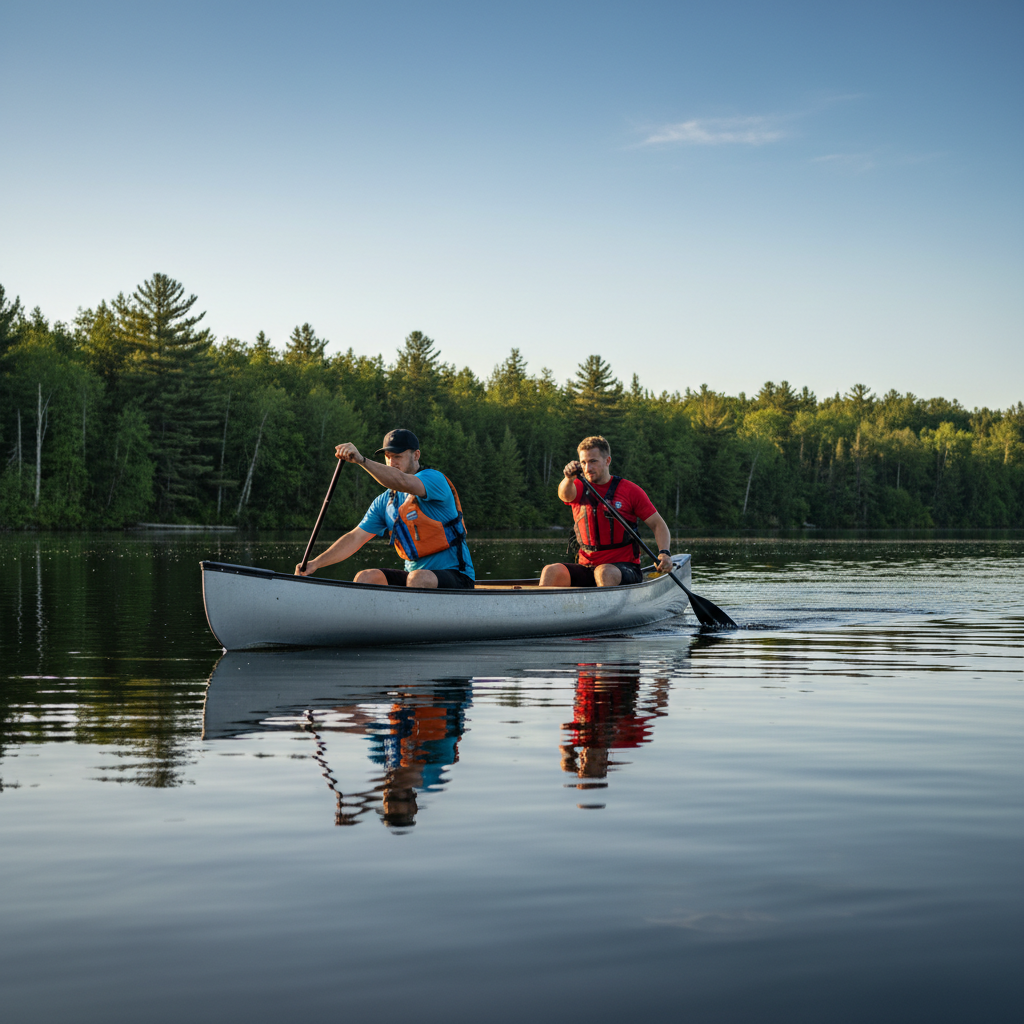
Safety and conditions: what to check before you launch
Canoeing is often calm until it is not, and conditions change faster than most people expect. This is where planning stops feeling optional.
Pre-launch checklist (fast, realistic)
- Forecast with wind speed and timing, not just temperature
- Water temperature, cold water can raise risk even on warm days
- River levels or flow for moving water, higher flow can hide hazards
- Lightning risk, if storms are possible, shorten the plan or postpone
- Exit options, know where you can get off the water if plans change
According to NOAA, weather forecasts and marine forecasts can help boaters understand wind and storm timing, which matters a lot on open lakes and coastal water. If you are unsure how to read local conditions, consider asking an outfitter or a guide service, especially for tidal areas.
This is not medical advice, but if someone in your group has a health condition that could be triggered by cold exposure or exertion, it is wise to consult a licensed professional before committing to a remote route.
Practical trip ideas for scenic paddling in the U.S.
If you want a canoeing travel guide scenic plan that feels achievable, start with formats that reduce unknowns, then expand.
- Sunrise lake loop: launch at first light, hug the shoreline, finish before wind picks up
- Easy river out-and-back: paddle upstream for a set time, float back, no shuttle required
- Island hop on a sheltered bay: short crossings, lots of breaks, great for photos
- Outfitter-supported float: ideal when you want scenery but not the logistics
Quick tip: Many scenic routes feel better on weekdays or shoulder seasons, you often get quieter launches and cleaner lines at take-outs.
Common mistakes that quietly ruin scenic trips
These are the issues that show up repeatedly, even among capable paddlers, because they feel “minor” until they stack.
- Underestimating wind on lakes, the prettiest water can turn into constant bracing
- Skipping the shuttle plan, ending the day with a long road walk kills the mood
- Overpacking, too much weight reduces stability and makes loading stressful
- Not dressing for water temperature, swimming unexpectedly is rare, but not impossible
- Chasing distance instead of experience, scenic pacing is slower by nature
Conclusion: keep it scenic by planning for comfort, not bravado
A good canoeing travel guide scenic mindset is less about “how far can we go” and more about “how do we want this day to feel,” calm water, a clear turnaround plan, and the right gear so you can actually enjoy the view.
If you do one thing this week, pick a route format that minimizes logistics, then run a quick conditions check the night before and again at the launch. Small prep tends to buy you a lot of relaxation on the water.
FAQ
What is the best time of day for a scenic canoe trip?
Early morning often brings calmer wind and better wildlife viewing, while late afternoon can deliver great light. Midday can still be fine, but glare and boat traffic tend to increase in many places.
How far should beginners paddle on a scenic day trip?
It depends on current and wind, but many beginners enjoy shorter plans that leave margin for breaks. If you are unsure, choose an out-and-back route and set a strict turnaround time.
Are lakes or rivers better for scenic canoeing?
Rivers often feel more sheltered and varied, but they can require shuttles and have downed-tree hazards. Lakes can be easier logistically, yet wind exposure is the tradeoff, so shoreline routes help.
Do I need a guide or outfitter for scenic water trips?
Not always, but it can be a smart call for tidal areas, remote routes, or groups with mixed experience. Outfitters also simplify shuttles and can flag local hazards that maps do not show.
What should I do if wind picks up during my paddle?
Stay closer to shore, reduce open crossings, and consider turning back early. If conditions feel beyond your comfort, getting off the water is usually the right move, even if it changes the plan.
How do I know if a river is safe for canoeing today?
Check local river gauges and any posted advisories, then compare the level or flow to what that river typically looks like for easy paddling. If you cannot interpret the information confidently, ask a local outfitter or paddling club before launching.
What gear matters most for a scenic canoe photography day?
A reliable dry bag or waterproof case is the big one, then a simple tether for your camera or phone. Plan for extra stops, and keep weight balanced so the canoe stays predictable when you shift around.
If you are planning a scenic water trip and want a simpler path, a local outfitter or guided service can help you pick a route that matches the forecast, handle the shuttle, and keep the day focused on paddling instead of problem-solving.