
How to choose beach vacation spot comes down to one thing most people skip, matching the beach to your trip style instead of chasing whatever looks best on Instagram.
If you pick the wrong fit, the “dream beach” can turn into a stressful week, long drives, surprise crowds, rough water you can’t swim in, or a town that shuts down early when you expected nightlife.
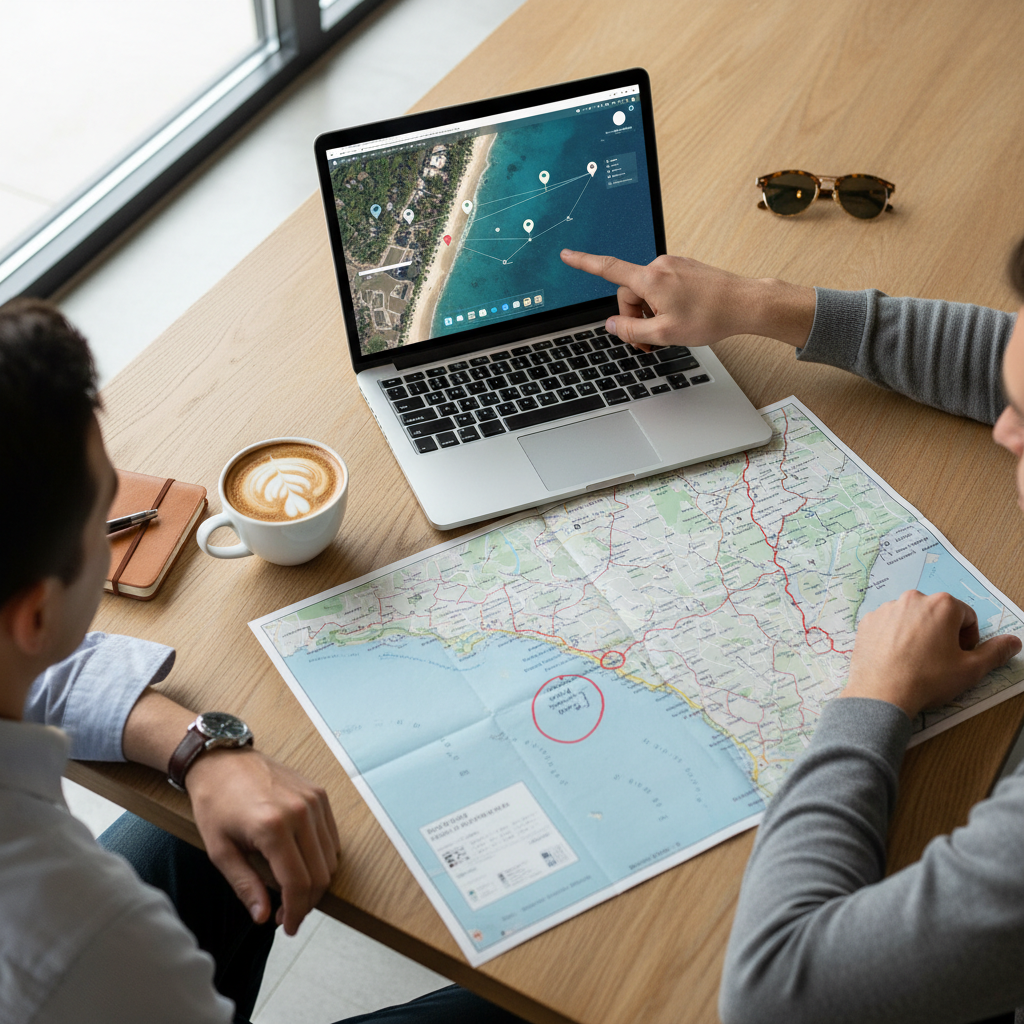
This guide gives you a practical way to narrow options fast, a quick self-check to avoid the common traps, and a short decision table so you can choose with confidence even if you’re juggling budget, family needs, and time off.
Start with your “non-negotiables” (it saves hours)
The fastest way to choose a beach is to decide what must be true for your trip to feel like a win, not what would be “nice.” You only need 3–5 non-negotiables.
- Total budget (including flights, parking, resort fees, and food, not just hotel)
- Trip vibe: quiet reset, party energy, family-friendly, couples, surf-focused
- Swimming conditions: calm water vs waves, lifeguards, easy entry for kids
- Walkability: can you do most things without a car
- Time: direct flight only, or you’re fine with a connection and a drive
Key point: if you don’t set non-negotiables early, you’ll keep reopening decisions and you’ll end up optimizing for photos instead of comfort.
Weather, water, and seasonality: what people regret most
Many beach plans go sideways because travelers assume “summer” equals perfect beach weather, but that varies a lot by coast and month. Wind, water temperature, storm patterns, and humidity matter more than the calendar label.
According to NOAA (National Oceanic and Atmospheric Administration), coastal conditions and hazards can change quickly, and travelers should check local forecasts and beach statements close to their trip dates.
- Water temp matters: a gorgeous beach can feel unusable if the water stays cold for your comfort.
- Storm seasons: some regions have predictable high-risk windows, and you may want flexible bookings.
- Wind and surf: perfect for kitesurfing, frustrating for lounging or easy kid swimming.
- Seaweed and algae events: often seasonal and local, check recent traveler photos and local updates.
If you’re deciding between two spots, look up typical water temperature and wind for the exact weeks you’re traveling, not the yearly average.
Safety and access: don’t ignore the “boring” details
Safety isn’t just crime stats, it’s also whether the beach matches your group’s abilities. Rip currents, steep shore breaks, and limited lifeguard coverage can change the whole experience, especially for families or weaker swimmers.
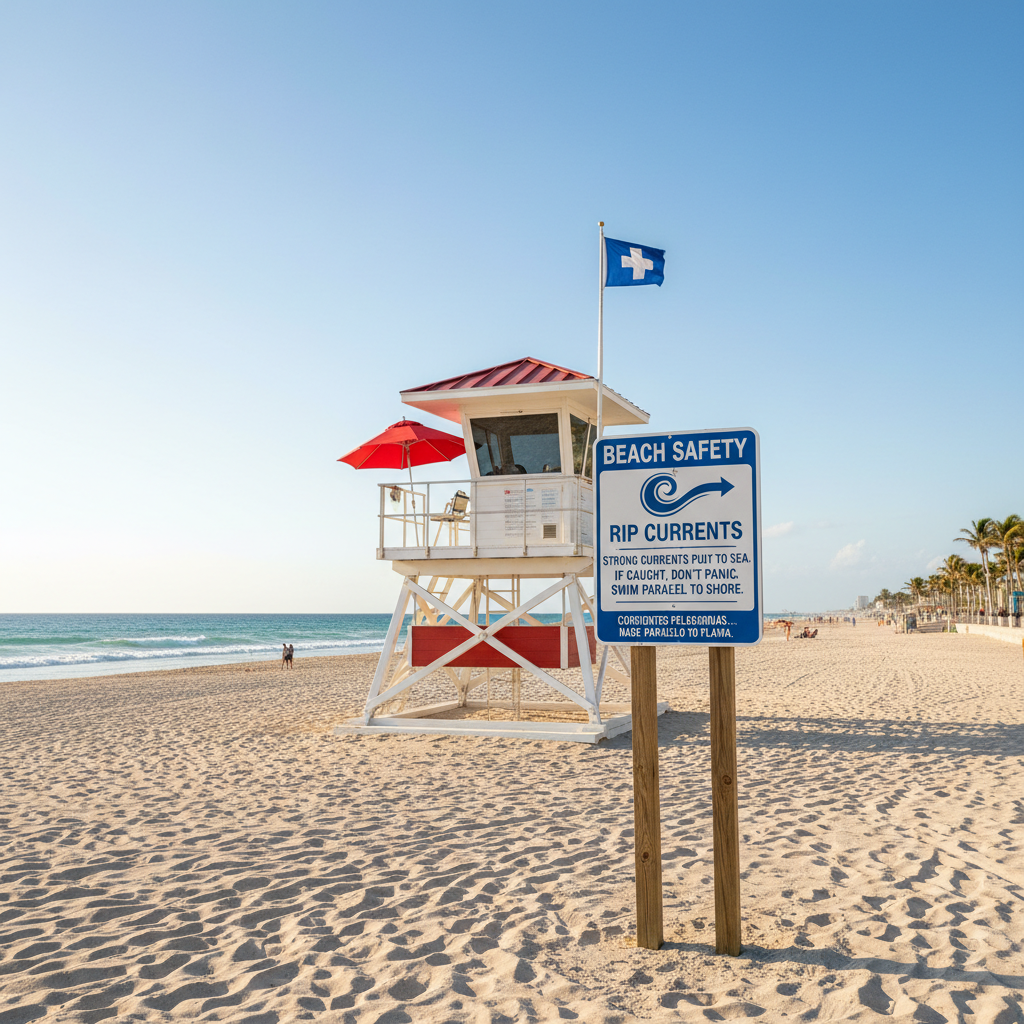
According to the United States Lifesaving Association, rip currents are a leading hazard at surf beaches, and swimming near lifeguards is generally recommended when available. If anyone in your group has medical concerns, it’s sensible to ask a clinician about heat exposure or strenuous water activities.
- Beach patrol presence: lifeguards, flagged swim zones, posted conditions
- Entry and terrain: stairs, long boardwalks, soft sand, accessibility mats
- Emergency access: how close the beach is to parking and medical services
- Sun/heat realities: shade availability, midday heat, hydration options
One underrated filter, if you’re not confident in open water, favor calmer bays or beaches known for gentle entry, and keep “big surf views” as a bonus, not the plan.
Match the destination to your trip type (use this table)
When people ask how to choose beach vacation spot, they usually have mixed goals. This table helps you pick a destination category first, then look for specific towns or beaches within it.
| Trip type | Look for | Watch out for |
|---|---|---|
| Family with young kids | Calm water, lifeguards, walkable food, grocery nearby | Steep drop-offs, long drives, “party beach” noise |
| Couples / low-key reset | Quiet beaches, good sunsets, comfortable lodging, fewer day-trippers | Limited dining hours, car dependency if you want variety |
| Friends / nightlife | Late dining, bars, easy rideshare, dense hotel zone | Higher prices, crowds, parking headaches |
| Surf / water sports | Consistent swell, rentals, lessons, clear safety signage | Non-swimmer frustration, windy beaches for lounging |
| Nature and scenery | Protected areas, trails, wildlife tours, viewpoints | Fewer services, stronger “leave no trace” expectations |
Key point: it’s easier to pick a “type of beach town” than a famous beach name, then narrow from there.
A quick self-checklist before you book
Use this as a two-minute filter. If you hit more than two “no” answers, keep searching or adjust expectations before money is on the line.
- Do you know your total budget range, including food and transport?
- Can you explain your ideal day in one sentence, like “coffee, long swim, casual seafood, early night”?
- Is the travel day realistic for your group’s patience and energy?
- Are there at least two backup activities if weather turns bad?
- Do recent photos match what you imagine, not just marketing shots?
- Does your lodging location reduce friction, such as walk-to-beach or easy parking?
This is also where you sanity-check fees. Resort fees, parking, chair rentals, and peak-season minimum stays often surprise people.
How to choose between finalists (a simple scoring method)
If you have 3–5 options, stop reading reviews for an hour and score them instead. This avoids getting swayed by one dramatic comment that doesn’t match your priorities.
Step 1: Pick 5 criteria
- Price fit
- Beach conditions for your group
- Convenience (flight + transfer + walkability)
- Food and activities
- Crowd level and vibe
Step 2: Weight what matters
Give each criterion a weight from 1–3, then rate each destination 1–5. The math isn’t the point, the clarity is.

Practical tie-breaker: choose the place with the easiest “Plan B” if weather shifts, like towns with museums, good dining, or sheltered beaches nearby.
Common mistakes that make a good beach feel “wrong”
These show up constantly in beach planning, and they’re usually fixable with one more question before booking.
- Over-indexing on the beach photo and ignoring where you’ll eat, park, and buy basics.
- Assuming all beaches are swimmable, when some are better for walking, surfing, or views.
- Booking too far from the sand to “save money,” then spending the savings on rides, parking, and time.
- Not checking recent conditions such as closures, erosion repairs, or seasonal seaweed.
- Trying to please everyone, instead of picking one primary vibe and adding one secondary perk.
If you’re traveling with a mixed group, agree on one priority, then let the other preferences be “nice-to-have.” That single decision prevents a lot of friction.
Conclusion: pick the beach that fits your real trip, not an ideal one
Once you define your non-negotiables, check seasonality, and make sure safety and access line up with your group, choosing a beach destination stops feeling like a gamble. The goal is not the most famous shoreline, it’s a week that feels easy.
If you want a clean next step, shortlist three options, run the quick checklist, then score them with your weighted criteria, you’ll usually see a clear winner without overthinking.