
how to survive long haul flight to australia comes down to a few controllable basics: plan your sleep, manage your body (hydration, movement, food), and set up your seat so you can actually rest.
If you have never done 14–17 hours in the air, it can feel like a weird mix of boredom, discomfort, and time-zone whiplash, plus the small stressors that stack up like dry skin, puffy ankles, and a stiff back.
This guide focuses on what usually makes the biggest difference for U.S. travelers: what to do before you leave, what to pack (and what not to), how to handle sleep without wrecking your first days, and how to land in Australia feeling more human.
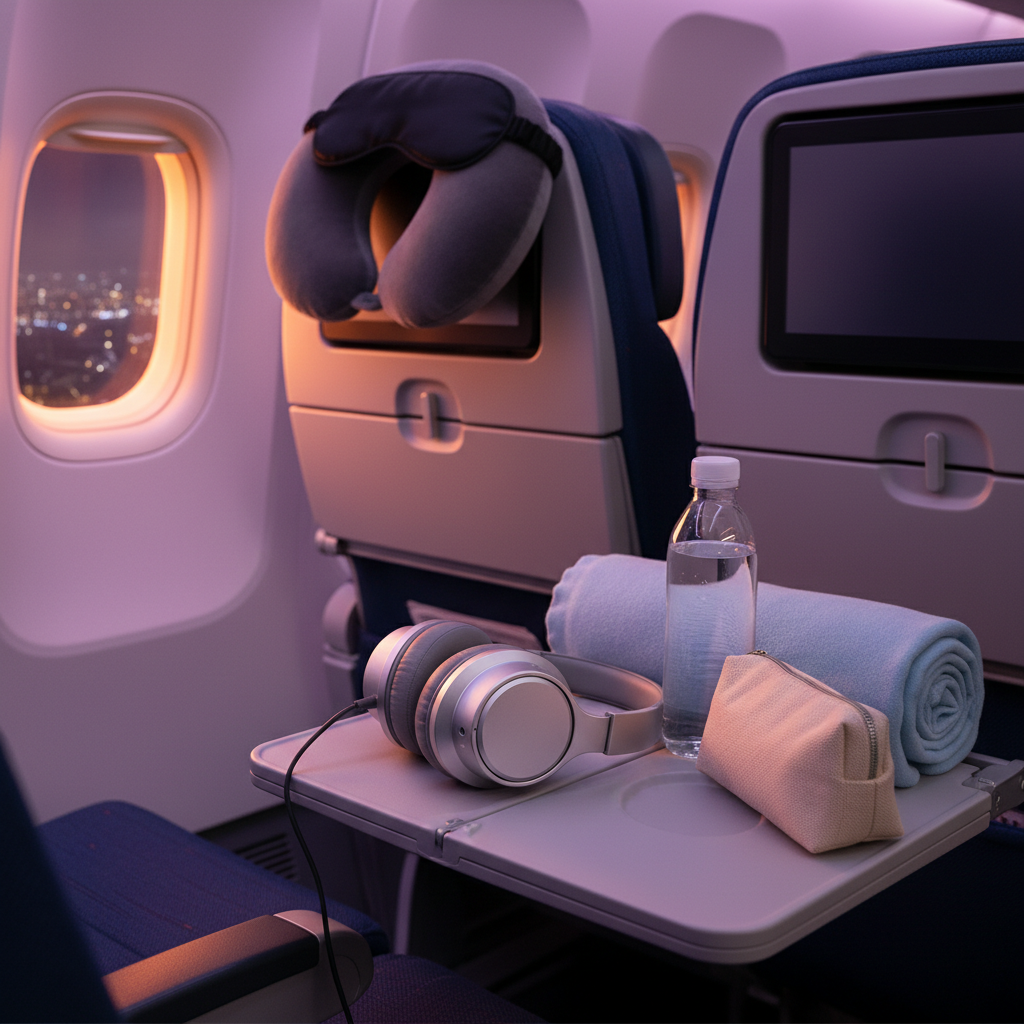
Know what you’re actually up against (so you plan the right fixes)
The longest flights to Australia test three things more than anything else: sleep timing, circulation, and comfort. If you aim at those, the rest is just nice-to-have.
- Jet lag isn’t just “being tired.” It’s your body clock drifting away from local daylight. Australia from the U.S. often flips your day/night expectations, so “I’ll sleep whenever” tends to backfire.
- Cabin air feels drying. Many people notice dry eyes, dry throat, skin tightness, and headaches. According to FAA, cabin pressure and conditions can affect comfort and certain health symptoms, so it’s worth planning hydration and movement.
- Sitting for many hours can increase clot risk. According to CDC, long-distance travel can raise the risk of blood clots for some travelers, especially with additional risk factors. Most people do fine, but regular movement is a smart baseline.
One more reality check: the best plan is still not a guarantee. A crying baby, turbulence, or a broken seat can happen. The goal is resilience, not perfection.
48 hours before: shift your schedule without overthinking it
If you’re wondering how to survive long haul flight to australia, the work starts before the airport. A small schedule shift often beats any in-flight “hack.”
Pick your target: decide whether you want to sleep on the plane or stay mostly awake. Usually, you’ll feel better if you align your longest sleep block with nighttime in your first Australian city (Sydney, Melbourne, Brisbane, Perth), but route and stopovers change the math.
- Start nudging bedtime 30–60 minutes per day for two nights, toward your destination time if practical.
- Bank sleep the week of travel. Not “sleep all day,” just avoid running a deficit.
- Choose caffeine strategically: keep it earlier in your day, and avoid it during the window you want to sleep in-flight.
- Alcohol is a trap for many people on long flights, because it can fragment sleep and worsen dehydration, even if it feels relaxing at first.
If you take sleep meds or supplements, or you have conditions like sleep apnea, anxiety, or heart issues, it’s safer to ask a clinician what fits your situation. Mixing sedatives with alcohol is especially risky.
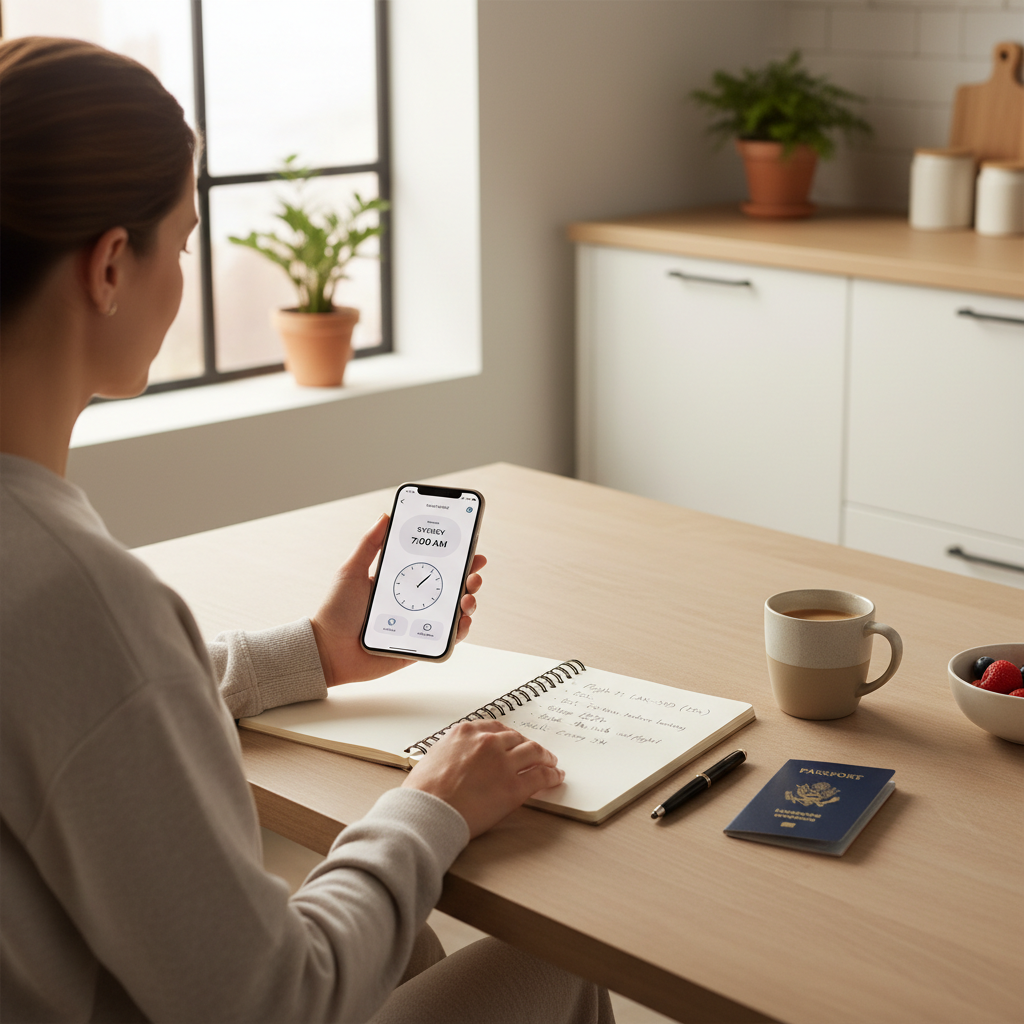
What to pack in your “seat kit” (and what’s usually a waste)
A smart seat kit is the difference between “barely survived” and “annoying but manageable.” Keep it compact, reachable, and built around sleep + comfort + hydration.
Seat kit checklist
- Eye mask (blackout, comfortable strap)
- Earplugs or noise-canceling headphones (preferably both)
- Neck support that fits your posture (not all pillows work for all necks)
- Refillable water bottle (fill after security)
- Lip balm and light moisturizer (fragrance-free helps in tight spaces)
- Saline nasal spray (optional, but many frequent flyers swear by it)
- Compression socks (especially if you swell, or you’re at higher clot risk)
- Charging cable + backup battery (planes sometimes have dead ports)
- One “real snack” (protein-forward, not just candy)
Often overrated
- Giant pillows and bulky blankets: they eat space and end up on the floor.
- Too many gadgets: if it needs troubleshooting, it’s not helping at 3 a.m.
- Strong perfumes: you’ll be stuck next to people for hours.
If you’re checking a bag, still keep your seat kit, meds, and a spare layer in your carry-on. Delays happen, and Australia routes can include tight connections.
In the air: a simple routine for sleep, food, and movement
Once you’re on board, you want a repeatable routine, not constant tinkering. This is where most “how to survive long haul flight to australia” advice goes off the rails, too many rules, too little practicality.
1) Set up your seat fast
- Put essentials in the seat pocket or a small pouch, not scattered.
- Loosen shoes slightly, keep socks on.
- Adjust air vent so you’re comfortable. A light airflow can help some people sleep.
2) Hydration without living in the bathroom
- Take small sips regularly, not huge chugs every hour.
- If you drink coffee or alcohol, follow with water. Many travelers feel worse when they don’t.
3) Eat like you want to sleep later
Heavy meals can make it harder to rest, but going hungry also backfires. Aim for “light but steady.” If airline timing is weird, rely on your snack to bridge gaps.
4) Movement that actually counts
- Stand up and walk the aisle when safe, ideally every 1–2 hours.
- At your seat, do ankle circles, calf raises, and gentle knee lifts.
- Avoid staying cross-legged for long stretches if you swell.
According to CDC, moving your legs and walking when possible can help reduce blood clot risk during long travel. If you have a history of clots, recent surgery, pregnancy, or take certain medications, ask a clinician for personalized guidance.
Jet lag strategy: sleep timing, light, and a “first day” plan
Jet lag is where people lose their first 48 hours. You don’t need a perfect circadian plan, but you do need a direction.
- Choose one main sleep block on the flight and protect it: mask, earplugs, minimal screen time.
- Use light on purpose: when you land, get daylight exposure in local morning or midday if you’re trying to shift earlier. According to CDC, light exposure influences your body clock, and it can be used to adjust to time changes.
- Keep naps short after arrival, often 20–40 minutes works better than a 3-hour crash.
- Eat on local time as soon as you can. It’s a subtle cue, but it helps many people feel “synced” faster.
If you use melatonin, doses and timing vary by person and can interact with medications. It’s worth checking with a pharmacist or clinician, especially if you have medical conditions.
Quick decision table: pick your priorities based on your situation
If you want one clean way to decide what matters most, use this. It’s not fancy, but it saves you from packing and planning for someone else’s body.
| Situation | What to prioritize | What to skip |
|---|---|---|
| First-ever ultra-long flight | Seat kit, hydration, movement schedule | Complex supplement stacks |
| You can’t sleep on planes | Comfort setup, calm audio, short naps, arrival daylight | Forcing long sleep blocks |
| You swell easily | Compression socks, aisle walks, lower-salt foods | Hours without standing |
| Traveling with kids | Snack rhythm, simple entertainment, tag-team rest | Overpacked toys you’ll carry |
| Landing for a work event | Protect one sleep block, limit alcohol, strategic caffeine | “Wing it” schedule |
Common mistakes that make the flight feel twice as long
A lot of long-haul misery comes from a few predictable missteps, and they’re fixable.
- Chasing comfort too late: if you wait until you’re already cranky to set up your seat, you’ll never quite settle.
- Drinking less to avoid bathroom trips: it often leads to headaches, constipation, and feeling awful on arrival.
- Using screens nonstop: your eyes dry out, your brain stays “on,” and sleep gets harder.
- Overcorrecting jet lag: taking a long nap late afternoon local time can reset you in the wrong direction.
- Going hard on day one: landing adrenaline is real, but a gentle first day usually wins.
When to get extra help (health, anxiety, or special situations)
Many travelers can handle long flights with the basics, but some situations deserve extra caution.
- Blood clot risk factors: prior DVT/PE, certain clotting disorders, recent surgery, pregnancy, estrogen-containing meds, cancer treatment. A clinician can advise on compression, movement, and whether medication is appropriate.
- Severe anxiety or panic: consider talking to a professional before you travel, even a short consult can help you choose coping tools that fit.
- Chronic conditions like asthma, heart disease, or severe reflux: bring medications in your carry-on and ask your clinician what to watch for in-flight.
- CPAP users: check airline policies and power options ahead of time so you’re not improvising at the gate.
According to CDC, travelers with certain medical conditions may benefit from planning ahead with a healthcare provider. If anything feels off mid-flight, notify cabin crew, they’re trained to respond.
Key takeaways you can screenshot
- Protect one sleep block in-flight and plan light exposure after landing.
- Move regularly, even simple ankle and calf work matters.
- Hydrate steadily, avoid using alcohol as a sleep tool.
- Pack a seat kit that supports comfort and calm, not a pile of “just in case” items.
- Land with a first-day plan: daylight, short nap if needed, early bedtime on local time.
Conclusion: arrive in Australia with energy left
Most versions of how to survive long haul flight to australia boil down to doing a few unglamorous things consistently. Get your seat environment right early, treat movement and water like non-negotiables, and use sleep and light with intent so jet lag doesn’t steal your trip.
If you’re flying soon, pick three actions today: build your seat kit, decide your main sleep block, and set a simple movement reminder. Small plans hold up better at 35,000 feet.