
Travel picnic blanket outdoor shopping gets confusing fast, because “waterproof” can mean very different things, and the wrong pick usually shows up at the worst moment, damp grass, sticky sand, or a blanket that won’t fold back into its own carry strap.
If you mostly picnic at parks, you’re dealing with a mix of trimmed lawns, morning dew, occasional mud, and hard surfaces like concrete picnic pads. A good blanket is less about luxury, more about staying clean, dry, and relaxed without hauling something bulky.
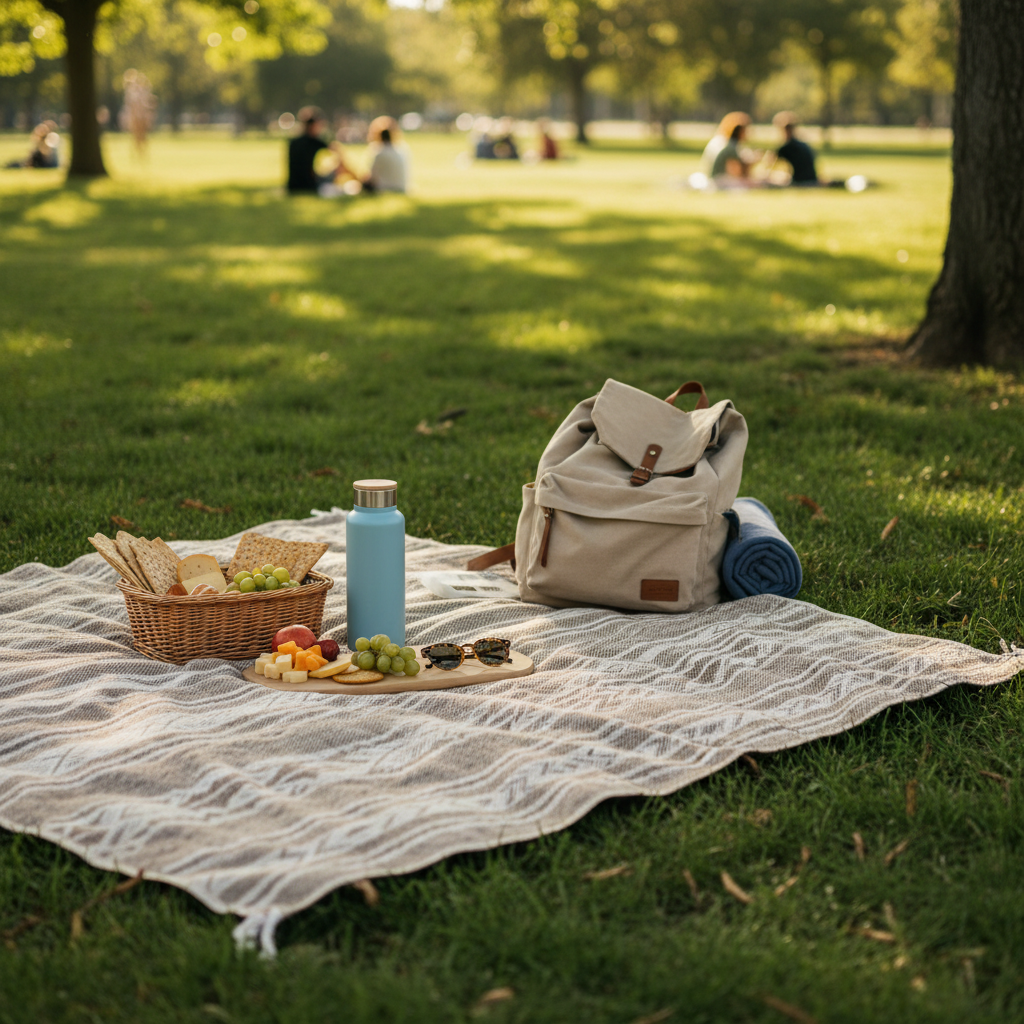
This guide focuses on the practical stuff people regret later: what fabric actually feels good, which backing holds up in real parks, how big you really need, and how to keep it from turning into a smelly trunk accessory.
What usually goes wrong with park picnic blankets
Most complaints aren’t about looks, they’re about friction with real-life park conditions. You sit down and only then notice the weak points.
- “Waterproof” but clammy: some plastic-backed blankets trap heat and feel sweaty, especially in warm states.
- Too thin over roots and gravel: turf can hide hard spots, and a thin top layer doesn’t help.
- Sand and grass won’t let go: certain weaves hold onto debris, so you keep shaking it for five minutes.
- Folding becomes a fight: a travel-friendly blanket should pack down predictably, not require origami skills.
- Edges flip in light wind: parks often have open airflow, and corners that won’t stay down get annoying.
According to National Park Service..., outdoor areas can involve changing ground conditions and weather, so it’s smart to plan for moisture and temperature swings rather than buying only for “perfect days.”
Quick self-check: which blanket type fits your park routine?
Before specs, decide how you actually picnic. This simple checklist usually narrows choices more than any product description.
- You walk more than 10 minutes to your spot: prioritize compact packing and a carry handle or strap.
- You bring kids or a dog: choose easy-clean surfaces and tougher stitching at the edges.
- You picnic after work: focus on moisture blocking for evening dew and fast shake-off.
- You sit for 2+ hours: consider light padding or a softer top fabric, not just a plastic sheet.
- You use it for events: pick a size that fits your group without people spilling onto the grass.
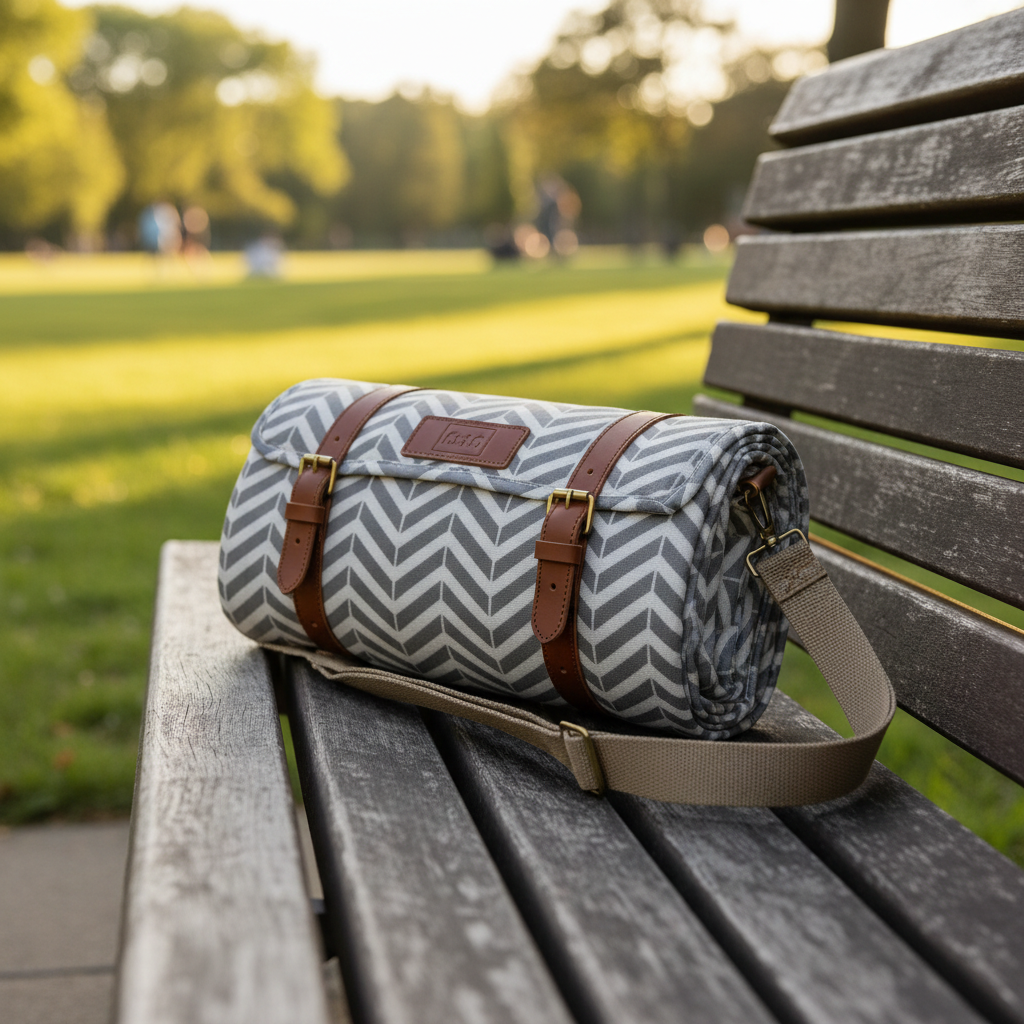
If you’re unsure, lean toward a medium size with a reliable moisture barrier. That’s the “parks first” sweet spot.
Materials that matter (and what the marketing often skips)
For a travel picnic blanket outdoor, you’re really buying a system: top feel, middle structure, bottom protection. The blend matters more than any single buzzword.
Top layer: comfort vs. debris
- Polyester fleece: cozy, popular for cooler days, but can hold onto grass bits.
- Woven polyester: usually shakes cleaner and dries faster, less “blanket-like” feel.
- Cotton blends: comfortable, but often heavier and slower to dry after damp ground.
Middle layer: why some feel “flimsy”
A thin foam or bonded layer helps with uneven ground. If you often sit on rooty lawns, a little structure makes a big difference, even if it adds a few ounces.
Bottom layer: the real park MVP
- PEVA or similar coatings: common moisture barrier, usually easy to wipe.
- Ripstop + coating: tends to resist punctures better, helpful near twigs and rough patches.
Watch the seams. Even a good backing can leak at stitch lines if the design doesn’t account for it.
Size, weight, and packability: a practical comparison
Here’s a quick way to think about sizing without guessing. Real needs vary, but these ranges match how most people use park blankets.
| Use case | Typical size | Pack size priority | Notes |
|---|---|---|---|
| Solo lunch or reading | ~50" x 60" | High | Easy carry, enough for you + small bag |
| Couple picnic | ~60" x 70" | Medium | Most versatile for parks |
| Family (2 adults + 2 kids) | ~70" x 80" or larger | Low to Medium | Comfort wins, but weight climbs fast |
| Group hang / events | 80" x 80"+ | Low | Great on-site, less fun to carry far |
One honest tip: oversized sounds great until you’re folding it in wind. If portability is the goal, don’t overbuy size.
Features worth paying for (and which are mostly noise)
Some add-ons genuinely reduce hassle. Others look good on a listing but rarely help at parks.
Usually worth it
- Corner loops or stakes: small feature, big quality-of-life upgrade on breezy days.
- Built-in carry handle: makes quick trips easier than separate bags.
- Machine-washable top: especially if you bring kids, fruit, or anything that drips.
- Wipe-clean backing: for mud, spilled drinks, or dog paws.
Often overhyped
- Extra-thick “camping” padding: can be bulky and slow to dry, fine for car picnics though.
- Ultra-fuzzy tops: comfortable, but grass and burrs can cling in annoying ways.
- Complicated fold systems: if it requires perfect alignment, you’ll stop using it.
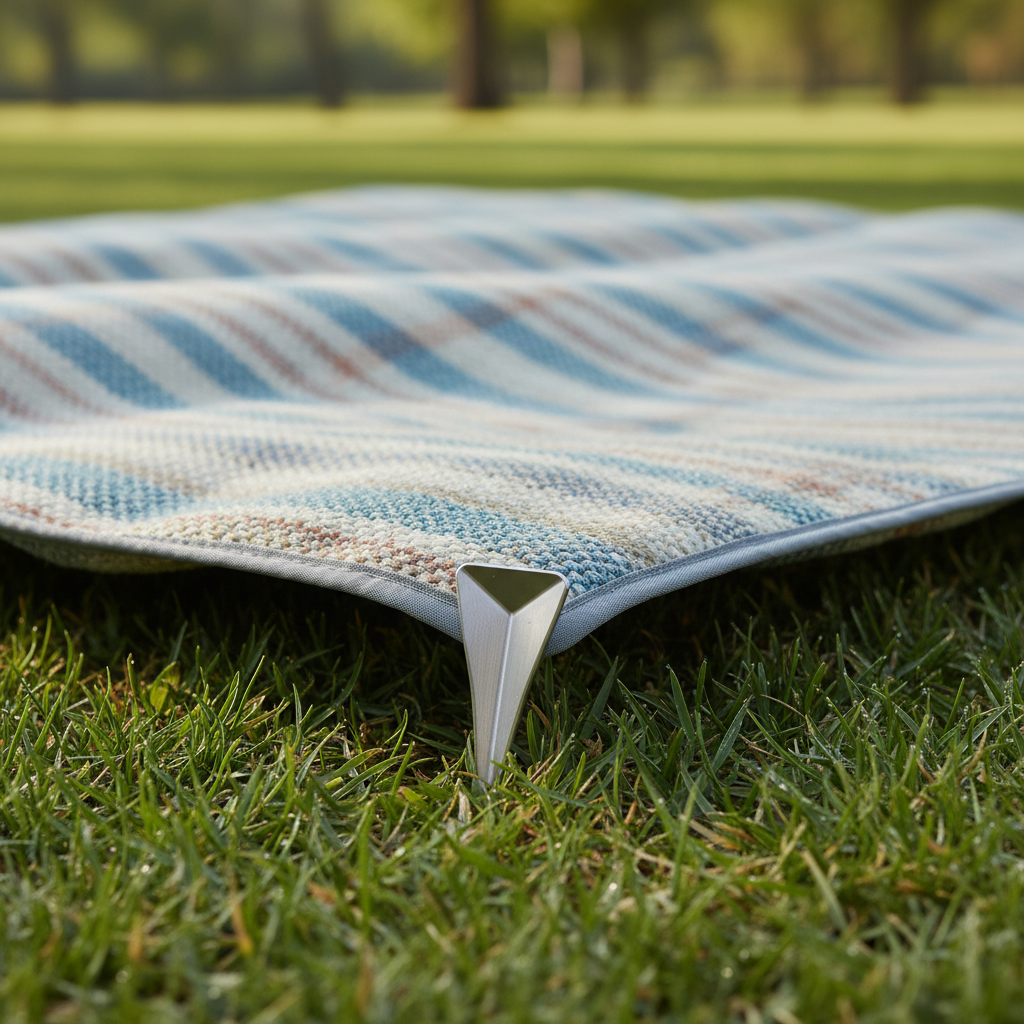
For a park-focused travel picnic blanket outdoor, wind control and easy cleaning tend to beat fancy extras.
How to use it so it stays cleaner, drier, and lasts longer
This is the “small habits” section. It’s not glamorous, but it keeps your blanket from becoming a one-season purchase.
Setup steps that prevent the most problems
- Pick the flattest patch you can, even if it’s a few feet away from the shade spot you wanted.
- If the grass feels cool or looks glossy, assume moisture and place the backing side down carefully.
- Anchor at least two corners if there’s any breeze, flipping corners is what drags dirt onto the top.
Pack-up routine (fast, not fussy)
- Shake debris off while it’s still dry, grass sticks more once damp.
- Fold with the sitting side inward if possible, that keeps park grime off your bag and trunk.
- If it’s wet, don’t seal it airtight for hours, mildew smell is hard to remove later.
According to Centers for Disease Control and Prevention..., general outdoor hygiene practices like washing hands before eating help reduce risk from dirt and animal waste that may be present in parks.
Common mistakes (so you don’t waste money)
- Buying for the living room: softness matters, but parks punish delicate fabrics and weak edges.
- Assuming all “water-resistant” is equal: damp grass and a puddle are different problems, check the backing material.
- Ignoring cleaning reality: if you won’t actually hand-wash it, pick machine-washable or wipe-clean.
- Storing it wet: even good coatings can develop odor when trapped moisture sits too long.
If you or a family member has allergies or skin sensitivity, it may be worth choosing low-lint fabrics and laundering before first use, and if reactions persist, consider asking a healthcare professional.
Conclusion: a simple way to choose with confidence
A park-ready travel picnic blanket outdoor is usually the one that blocks moisture, packs without drama, and cleans up fast. If you want one actionable rule, pick the size that fits your real group, then prioritize a dependable backing and easy maintenance over extra fluff.
Key takeaways: moisture barrier first, packability second, comfort third, and wind control is the quiet feature you’ll appreciate most.
If you’re shopping today, write down your typical park distance, group size, and whether you deal with dew, then match the blanket to that reality instead of the prettiest product photo.
FAQ
What makes a travel picnic blanket outdoor-friendly for parks?
Look for a moisture-blocking bottom layer, a top that doesn’t trap debris, and a packable design you can carry comfortably. Parks are all about mixed surfaces and quick setup.
Is a waterproof picnic blanket always better than water-resistant?
Not always. Fully waterproof backings can feel less breathable and clammy in heat, while water-resistant options may be enough for short sits on dry grass. If you picnic around morning dew, stronger moisture blocking helps.
What size picnic blanket do I need for two people?
Many couples are happiest around 60" x 70". It leaves room for food and a bag without pushing someone onto the grass, but still packs down reasonably.
How do I keep a picnic blanket from blowing away at the park?
Corner loops, small stakes, or even weighting corners with a bag helps. If your blanket has no anchors, choose a spot with a slight windbreak like shrubs or a low wall when possible.
Can I machine wash a picnic blanket with a waterproof backing?
Many are machine washable, but it depends on the coating and seam construction. Check the care label, and avoid high heat drying if the backing is heat-sensitive.
What’s the easiest fabric to clean after grass and sand?
Woven polyester tops often shake clean better than fleece. For beach-to-park use, quick shake-off is a bigger deal than plush comfort.
How do I prevent mildew smell after a wet picnic?
Dry it as soon as you can, even if that means draping it over a chair at home. Sealing a damp blanket in a car trunk for hours is where most odor problems start.
If you’re trying to pick a park-friendly blanket and want a more “no-regrets” shortlist, focus on your usual group size and carrying distance, then compare a few options side by side using the materials, cleaning, and wind-control points above, it makes the decision feel much simpler.