
Flight booking hacks cheap travelers use aren’t magic, they’re mostly about timing, flexibility, and knowing where airlines hide the “real” price.
If you’ve ever watched a fare jump overnight or wondered why your friend paid less for the same route, you’re not imagining things. Airfare is dynamic, and small choices, like the day you search or how you bundle bags, can move your total more than people expect.
Below are practical tactics that work in many U.S. travel scenarios, plus a quick checklist to figure out which ones fit your trip. A few tips look simple on paper but trip people up in real life, I’ll call those out too.

Why flights feel random (and what you can actually influence)
Airfare swings because airlines and online agencies adjust prices based on demand, remaining seat inventory, competition on the route, and how close departure is. You can’t control those levers, but you can control how you shop and how you structure your itinerary.
- Demand patterns: holidays, school breaks, big events, plus weekend-heavy travel windows.
- Inventory buckets: as cheaper fare classes sell out, the next class becomes the new “starting” price.
- Route competition: nonstop vs. one-stop markets often price differently, even if flight time feels similar.
- Total trip cost: bag fees, seat fees, and change fees can erase a “cheap” base fare.
According to U.S. Department of Transportation, airlines must disclose the full fare including taxes and mandatory fees in advertising, but optional add-ons still vary widely, so your final checkout total can diverge fast.
A quick self-check: which type of deal are you chasing?
Before you chase every trick online, decide what you’re optimizing for. Most people mix goals, then wonder why the “deal” feels messy.
- Fixed dates, must be nonstop: you need monitoring and fast booking, not complex routing.
- Flexible dates: you can win with calendar tools and off-peak shifts.
- Flexible airports: you can save by mixing regional airports, but plan ground transport costs.
- Using points: your best lever is award availability and transfer timing, not just cash price.
- Traveling with family: seats + bags matter more than shaving $20 off base fare.
Key point: the best flight booking hacks cheap shoppers use are usually the ones that match their constraints, not the ones that sound most clever.
Timing tactics that usually beat “guessing”
People love a single perfect day to buy, but in practice you’re better off with a routine: monitor early, buy when it’s “good enough,” and protect yourself with flexible policies where available.
1) Start tracking earlier than you think
For popular routes, prices often rise as seats fill. Start watching as soon as you know you’ll travel, even if you’re not ready to purchase. Use alerts so you aren’t manually checking all week.
2) Shop across multiple days, not one snapshot
Prices can bounce day to day. Checking a fare three times in one afternoon rarely helps, but checking across several days can reveal a real pattern versus noise.
3) Use “hold” or 24-hour cancellation when it makes sense
According to U.S. Department of Transportation, for flights booked at least seven days before departure, airlines must allow either a 24-hour free cancellation window or a free 24-hour hold. Policies vary by airline and channel, so confirm before relying on it.
Search smarter: tools and filters that reveal real savings
Most “cheap fare” frustration comes from searching too narrowly. Widen the net, then tighten it back down using constraints that matter to you.
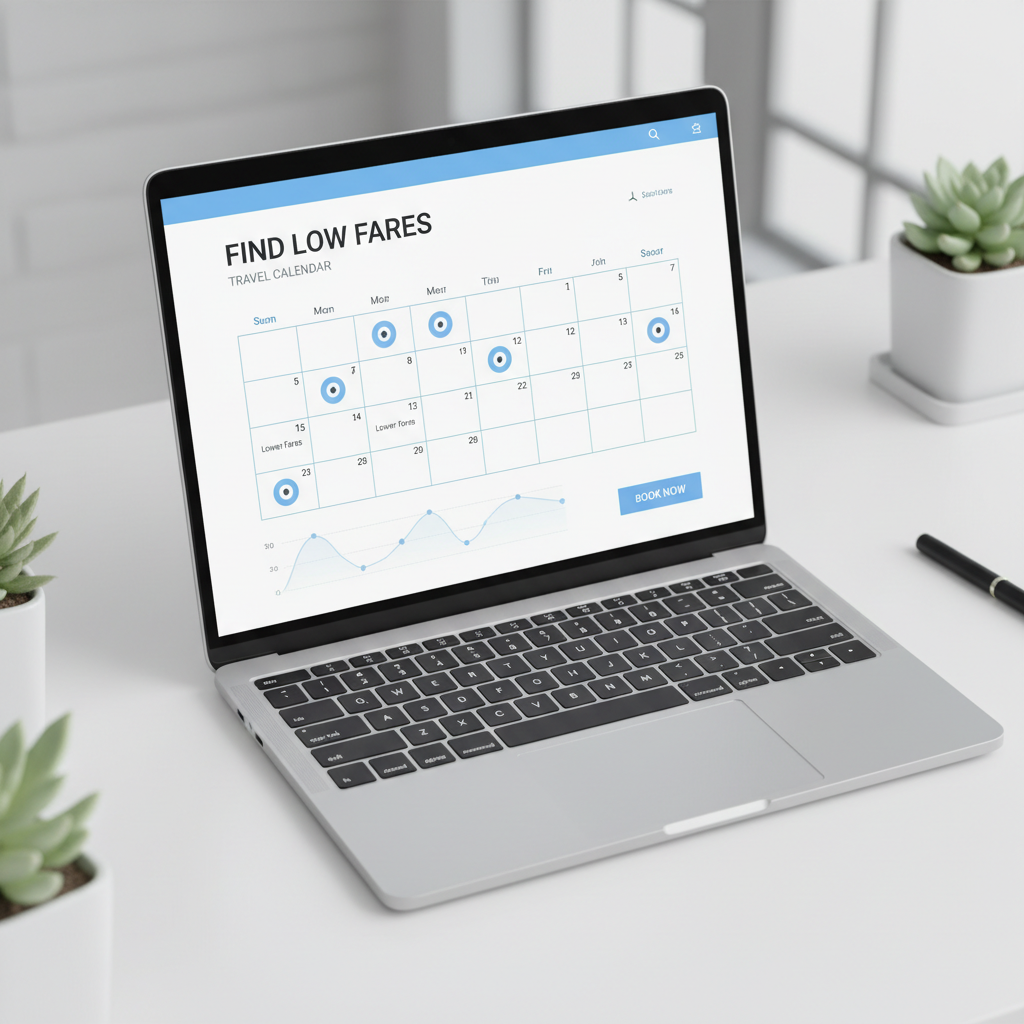
- Use a price calendar: month grids often reveal one or two low-fare pockets you’d miss on fixed dates.
- Track nearby airports: in the U.S., a different airport can flip the economics, especially in multi-airport regions.
- Toggle bags and seats mentally: many low fares are “basic economy” with restrictions, compare total trip cost.
- Filter by layover length: ultra-short connections increase misconnect risk, long ones can add hotel or meal spend.
If you want a repeatable process, pick one metasearch tool for discovery, then confirm price and rules on the airline site before you pay. This reduces surprises around seat selection, changes, and baggage rules.
Routing moves: when one-stop beats nonstop (and when it backfires)
Nonstop flights are convenient and often priced higher. One-stop options can be a legitimate discount, but only when the connection works for your risk tolerance and schedule.
Good times to accept a connection
- Leisure travel: you can handle a longer day if the savings are meaningful.
- Routes with heavy competition: hubs and “connector” airlines sometimes undercut nonstop carriers.
- You’re traveling light: carry-on only reduces baggage-transfer headaches.
Times to pay for nonstop (or a safer connection)
- Short trips: a delay can eat the whole weekend.
- Winter weather corridors: tighter connections raise your odds of a missed flight.
- Last flight of the day: fewer recovery options if something breaks.
Heads-up: “hidden city” ticketing and throwaway return legs can violate airline contract terms and may lead to canceled onward flights or loyalty account issues. Many people look it up as a flight booking hacks cheap tactic, but it’s rarely worth the stress.
Fees, fare classes, and the table I wish more people used
Two tickets with the same base fare can land hundreds of dollars apart once you add bags, seats, or change flexibility. Compare on total cost and rules, not just the headline number.
| What you’re comparing | Usually cheaper upfront | Common catch | Who it fits |
|---|---|---|---|
| Basic Economy | Yes | Seat assignment limits, stricter changes, bag rules vary | Solo travelers, carry-on only, firm plans |
| Main Cabin / Standard Economy | Sometimes | Higher base fare | Most travelers who want fewer surprises |
| Bundle with bags | Depends | Can overpay if you pack lighter than expected | Families, long trips, cold-weather travel |
| Refundable fare | No | Costs more, value depends on cancellation risk | Work trips, uncertain schedules |
A practical approach: decide your “must-have” items first, then compute the total price for each option. That’s where the real flight booking hacks cheap outcomes show up, not in the first search result.
Real-world playbook: 20 minutes to a defensible purchase
If you tend to overthink airfare, use this quick flow and then commit.
- Step 1: Search your route with flexible dates, note the lowest 3–5 options that are actually workable.
- Step 2: Open each option on the airline site, confirm fare class rules, bags, seats, and change terms.
- Step 3: Check two nearby departure times or airports if available, sometimes the “same day” shift matters more than you expect.
- Step 4: If the fare is within your target and the rules are acceptable, book, then stop shopping.
Mini rule: if you keep searching after you’ve found a workable fare, you’re often paying with your time and stress, not saving money.

Mistakes that waste time (and sometimes raise your total)
Some advice floats around because it sounds like a “hack,” but it often creates new problems.
- Over-optimizing browser tricks: cookies rarely explain big price shifts; route demand and inventory usually matter more.
- Ignoring connection risk: the cheapest itinerary can become expensive if you miss a flight and need a new ticket.
- Buying the cheapest fare class by default: once you add a bag and a seat, the “deal” can disappear.
- Forgetting ground costs: a cheaper airport can cost more in parking, tolls, rideshare, or time off work.
According to FAA, weather and air traffic issues can affect operations, so if you’re booking tight connections or the last flight out, build in buffer when the trip matters.
Conclusion: keep it simple, but not naive
The most reliable way to lower airfare is a small set of repeatable habits: track prices early, search with flexibility, compare total cost including add-ons, and book when the option fits your real constraints. That’s the core of flight booking hacks cheap shoppers can use without turning travel planning into a second job.
If you want one action today, set fare alerts for your next trip and write down your “walk-away” price, then stop chasing perfection and buy when the numbers match.
FAQ
What are the most realistic flight booking hacks cheap travelers should start with?
Start with fare alerts, flexible-date calendars, and checking nearby airports. They’re low effort, and they tend to surface genuine price differences without risky ticketing tactics.
Is it cheaper to book flights on a certain day of the week?
Sometimes you’ll see patterns on specific routes, but it’s inconsistent. In many cases, tracking over several days and booking when the fare hits your target works better than betting on one weekday.
Do incognito mode and clearing cookies actually lower airfare?
It can help you see a “clean” session, but big price swings are usually inventory and demand driven. Use it for sanity, not as your main strategy.
Should I book through an online travel agency or directly with the airline?
OTAs can be useful for discovery or bundles, but booking direct often makes changes and support easier when something goes wrong. If you use an OTA, read change and cancellation terms carefully.
When does Basic Economy make sense?
When your plans are stable and you can travel light. If you need a checked bag, want a specific seat, or worry about changes, standard economy often ends up being the better value.
Are one-way tickets cheaper than round-trip tickets?
On many U.S. domestic routes, one-way pricing is competitive, but it varies by airline and route. Compare both ways, especially if you might return from a different city.
Can points and miles still help if cash prices look high?
Yes, especially when award availability is decent or you can transfer points to a partner program. The “best” redemption depends on your balances and dates, so it’s worth pricing both cash and awards.
If you’re planning a trip soon and you’d rather not juggle ten tabs, build a simple routine: one tool to discover options, one place to track alerts, then verify rules on the airline site before buying, it’s usually the most painless path to a lower total.