
Waterfall travel destinations are exciting, but they can also be surprisingly tricky to plan, because “best” depends on your time, fitness level, season, and how much crowd you can tolerate.
If you have ever saved 20 waterfall spots and then froze when it was time to choose, you are not alone, most people need a short list that matches their reality: a weekend drive, a longer flight, or a once-a-year bucket trip.
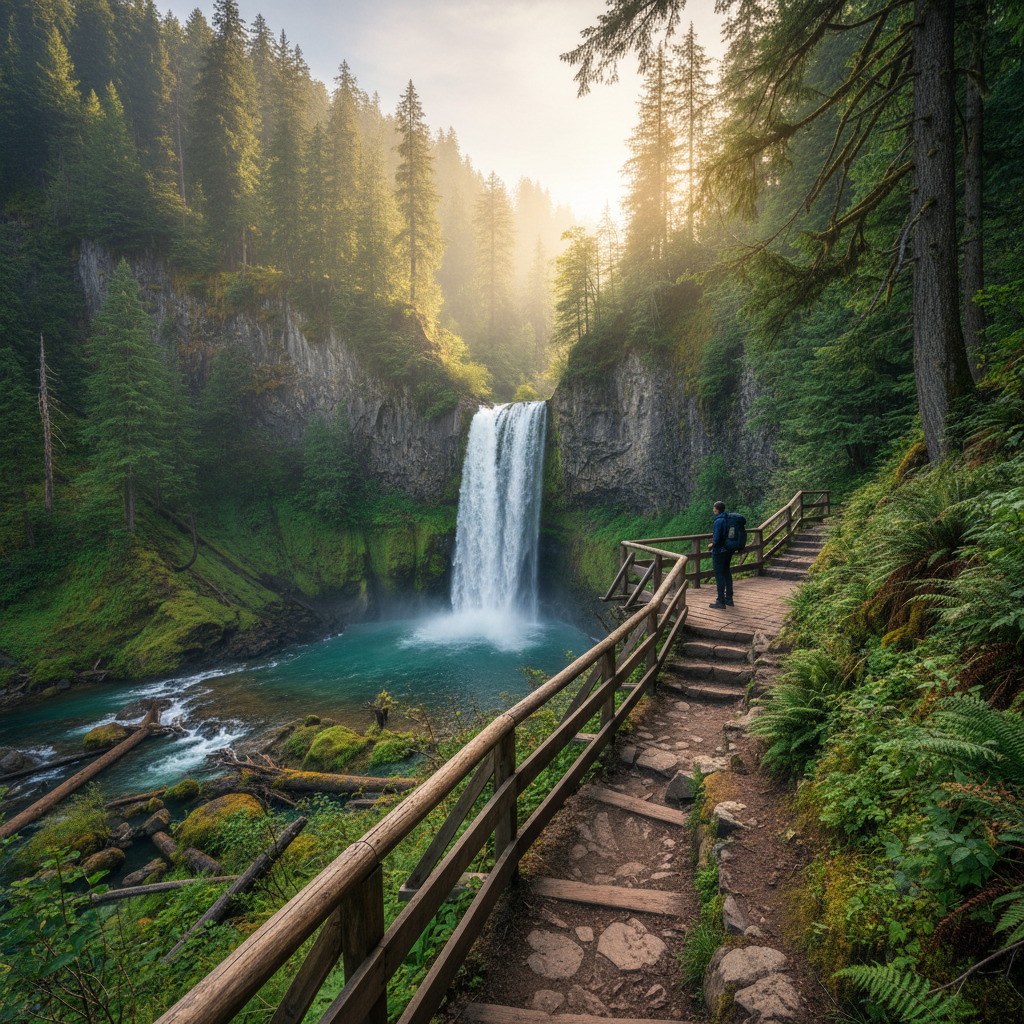
This guide narrows the options without killing the fun, you will get a mix of iconic falls and less-hyped picks, plus practical planning notes, a comparison table, and a quick checklist so you can choose with confidence.
Key idea: the right waterfall trip usually comes down to access, conditions, and timing, not just how dramatic the photo looks.
How to choose the right waterfall destination (before you fall for the photos)
Waterfalls look similar on a screen, but in real life the experience changes a lot depending on trail difficulty, water flow, and safety constraints. Many disappointments come from mismatched expectations, not from the waterfall itself.
- Time on the ground: A 2–3 day weekend favors places with short hikes and predictable logistics, longer international trips can handle remote access.
- Seasonality: Some falls peak with snowmelt, others look best after rain, and some slow to a trickle in late summer.
- Access and permits: Popular parks may require timed-entry or reservations, and some scenic routes close in winter.
- Your “crowd tolerance”: If a packed overlook ruins the vibe, prioritize early starts or less famous trails.
According to National Park Service guidance, conditions can change quickly due to weather and terrain, so checking current alerts before heading out is part of the trip, not an optional extra.
Stunning waterfall travel destinations in the U.S. (big views, realistic logistics)
If your audience is in the U.S., starting domestic often means less time burned on transit and more flexibility if weather shifts. These picks are famous for a reason, but they still reward good timing.
Yosemite Falls (California)
Classic, towering, and loud in peak flow. Late spring tends to be the sweet spot for volume, while late summer can be much lighter. If you want an easier day, the viewpoints deliver even without doing the full hike.
Multnomah Falls (Oregon)
Very accessible and very popular, which is both the point and the problem. Aim for early morning or shoulder seasons if you want breathing room, and build your day around nearby Columbia River Gorge stops so it feels like a full itinerary, not a parking battle.
Havasu Falls (Arizona)
Blue-green water in a desert setting, but the logistics are serious: permits, long hiking distances, and heat considerations. This is a “plan around it” trip, not a casual add-on.
Falls in Great Smoky Mountains National Park (Tennessee/North Carolina)
Great for families and first-timers because you can choose easy walks or longer hikes. After rainy periods, flows can be more dramatic, but trails can also be slick.
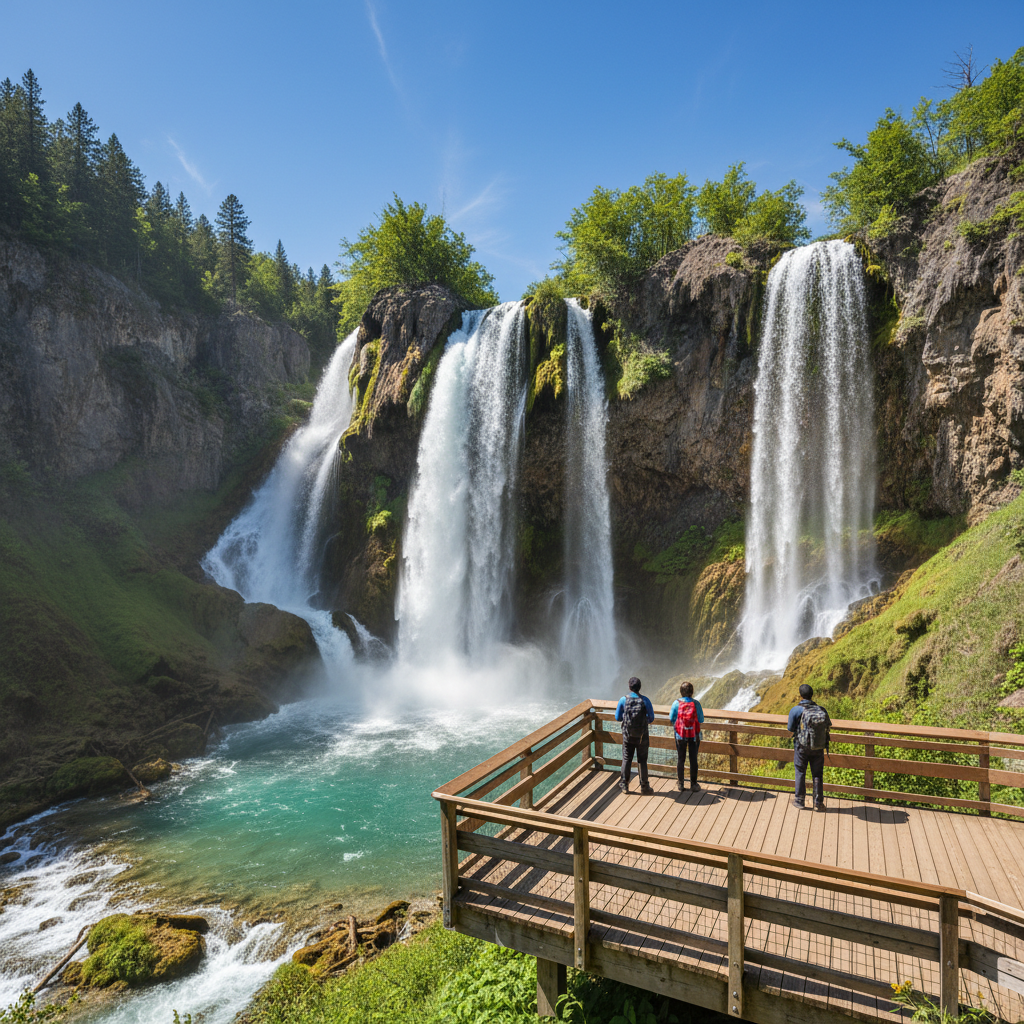
Bucket-list waterfall travel destinations outside the U.S. (worth the flight if you plan well)
International waterfall travel destinations can feel more “once in a lifetime,” but they also punish vague planning. When you are crossing borders, small details like wet-season timing and park access rules matter more.
Iguazú Falls (Argentina/Brazil)
More “system of waterfalls” than a single drop, with walkways that bring you close to the power. Expect humidity and spray, and pack accordingly. If you can, spend time on both sides for different perspectives.
Niagara Falls (U.S./Canada)
It is touristy, yes, and still impressive in person. If you lean into it, boat rides and night lighting can make the experience feel special, just treat it like a city trip plus waterfall, not a wilderness hike.
Skógafoss (Iceland)
One of those places where the waterfall is basically roadside, and that convenience makes it a magnet. The fun part is pairing it with nearby sights and giving yourself slack for weather, because Iceland does not negotiate.
Plitvice Lakes (Croatia)
More cascades and turquoise lakes than a single iconic fall, with boardwalks that make it accessible for many travelers. Entry systems and peak-season crowds can affect the vibe, so checking current ticket rules matters.
Quick comparison table: pick a waterfall trip that matches your constraints
Use this table as a starting filter, then confirm current conditions, closures, and reservation rules before you commit.
| Destination | Best for | Access vibe | Planning friction | Common trip length |
|---|---|---|---|---|
| Yosemite Falls | Iconic U.S. scenery | Viewpoints + optional hikes | Medium (seasonal crowding) | 2–4 days |
| Multnomah Falls | Easy wow-factor | Very accessible | Medium (parking, peak crowds) | Half-day to 2 days |
| Havasu Falls | Adventure + color | Remote hike-in | High (permits, heat, distance) | 3–5 days |
| Iguazú Falls | International bucket list | Developed trails | Medium (timing, logistics) | 2–3 days |
| Skógafoss | Road trip pairing | Roadside access | Low–Medium (weather swings) | 1–2 days |
Self-check: which waterfall trip type are you, realistically?
This is the part most people skip, then regret later. Pick the description that feels closest, not the one that sounds coolest.
- “I want a guaranteed wow with minimal hiking”: focus on viewpoint-friendly falls, developed parks, and places where access does not depend on a long trail.
- “I can hike, but I do not want high risk”: choose established trails, avoid off-trail viewpoints, and prioritize destinations with clear signage and maintained paths.
- “I’m chasing photos”: plan for sunrise, shoulder seasons, and a backup spot nearby, because light and flow are not controllable.
- “I want solitude”: go midweek, start early, and consider less famous trailheads in the same region rather than only the headline waterfall.
If your answer changes based on who you travel with, that is normal, it usually means you should plan two options: an easy primary plan and a more ambitious add-on.
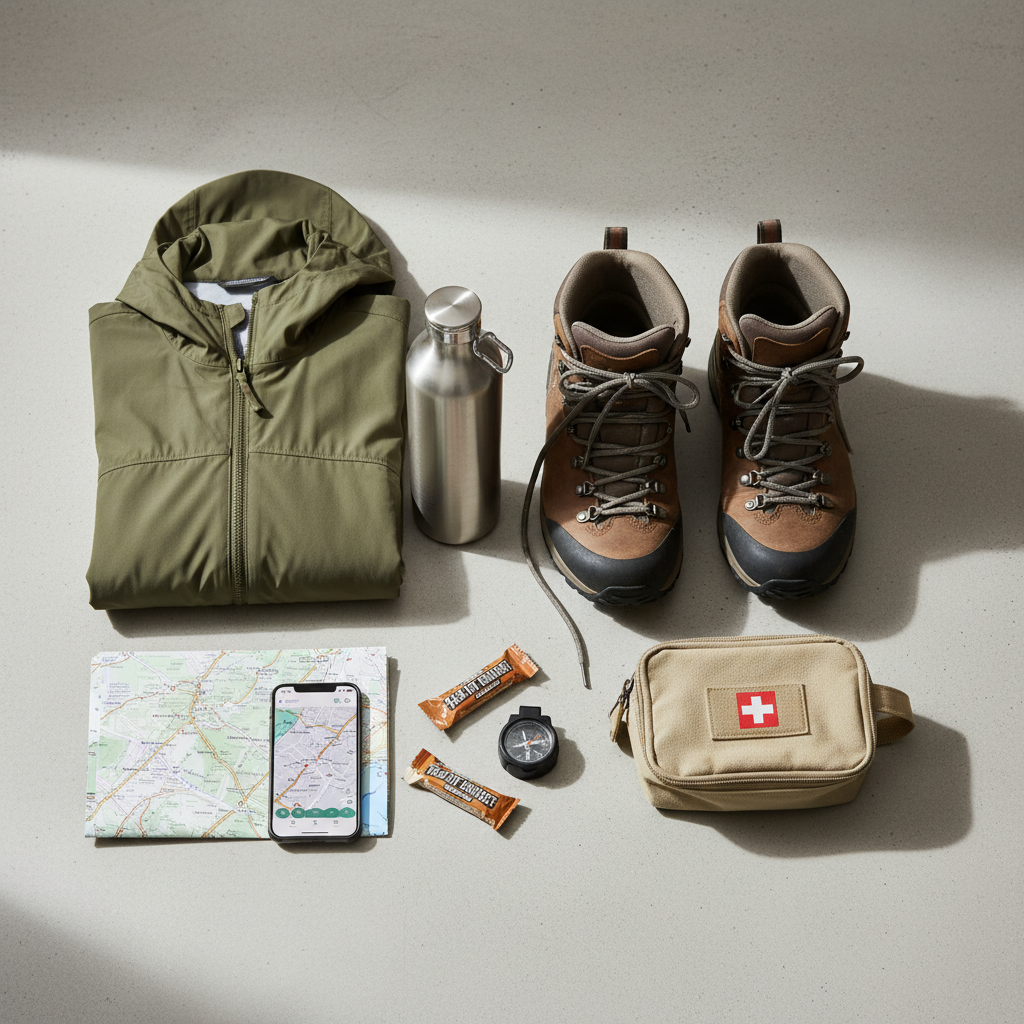
Practical planning steps that make waterfall trips smoother
Once you choose your waterfall travel destinations, the rest is execution, and execution is where trips either feel effortless or chaotic.
Build a simple itinerary that survives weather
- Pick one anchor waterfall, then add 2–3 nearby “supporting” stops: a short hike, a scenic drive pullout, a town meal.
- Save a Plan B that works in rain or low visibility, like a museum, hot springs, or a short forest loop.
- Give yourself time buffers for parking, shuttle lines, and wet trails.
Pack for spray, slick ground, and temperature shifts
- Footwear with traction, wet rocks can behave like ice.
- A light rain layer, even on sunny days, because mist can soak you faster than you expect.
- Dry bag or zip pouch for phone, keys, and battery pack.
- Offline maps or printed directions for remote areas.
Time your visit like a local would
- Arrive early, especially at famous overlooks, it changes the entire experience.
- Consider shoulder seasons for balance: fewer crowds, still decent flow in many regions.
- After heavy rain, conditions can be more dramatic, but also more hazardous, so adjust plans.
Safety and common mistakes (small choices, big consequences)
Waterfall areas can be deceptively risky: slippery rock, steep edges, fast water, and sudden weather. According to National Weather Service guidance, flash flooding can occur quickly, even if it is not raining where you stand, so checking forecasts upstream is a smart habit in canyon areas.
- Mistaking “close to the water” for “better”: many injuries happen at the edge, keep a conservative buffer.
- Ignoring trail closures: closures usually reflect real hazards, not bureaucracy.
- Wearing smooth-soled shoes: a minor slip can become a major problem in seconds.
- Overcommitting the day: stacking too many stops often leads to rushed hiking and poor decisions near drop-offs.
If you have medical concerns, travel with kids, or plan a strenuous route, it may be wise to ask a qualified professional for guidance on exertion, heat, or altitude, especially in desert or high-elevation environments.
Conclusion: make your waterfall trip feel intentional, not accidental
The best waterfall travel destinations are the ones you can actually enjoy on the day you arrive, with your budget, your time, and the conditions you get. Pick one anchor waterfall, plan around access and seasonality, then leave yourself a little space for surprises, that is usually where the best moments show up.
If you do one thing next, decide whether you want easy access or a bigger adventure, then build a short list of three destinations that fit that choice, your planning becomes much simpler.
Action step: check current park alerts and reservation rules, then lock lodging before you start optimizing the rest.
FAQ
What are the best times of year to visit waterfall travel destinations?
It depends on the region, but many waterfalls peak during spring snowmelt or after rainy periods. In late summer, some falls shrink, which is not “bad,” just a different look, so checking seasonal notes for your specific location helps.
How do I avoid crowds at famous waterfalls?
Early mornings and midweek visits usually help more than any other tactic. Shoulder seasons can also work, but keep an eye on closures and limited services.
Are waterfall hikes safe for beginners?
Many are, especially where trails are maintained and viewpoints are designed for visitors. The risk often comes from leaving the marked trail or walking on wet rocks near the edge, so staying on-route matters.
What should I pack for a waterfall day trip?
Traction shoes, a light rain layer, water, and phone protection cover most situations. If you are going remote, add offline navigation and a basic first aid kit.
Do I need reservations or permits for popular waterfalls?
Sometimes, yes, especially in high-demand parks or for access-limited areas. Checking official park pages before booking flights saves a lot of frustration.
Why do some waterfalls look smaller than expected?
Flow changes by season, rainfall, and water management upstream. Photos are also taken in perfect light with wide angles, so setting expectations around current flow conditions keeps the experience positive.
Can I swim near waterfalls?
In some places it is allowed, in others it is prohibited or unsafe due to currents and submerged hazards. Follow posted signs and local guidance, and if you are unsure, choose a designated swimming area instead.
If you are planning a trip and want a more tailored shortlist, it often helps to start with your dates, your hiking comfort level, and whether you prefer iconic viewpoints or quieter trails, then build the itinerary around that instead of chasing every viral spot.