
Choosing a water bottle with filter travel setup can make unfamiliar water sources feel less stressful, but only if you understand what the filter can and can’t handle.
Most people buy one right before a trip for a simple reason, they want fewer stomach surprises and less dependence on single-use bottled water. That goal is realistic in many scenarios, but safety hinges on details like the type of filter, how you use it, and where you refill.
There’s also a common misconception that “filtered” means “sterile.” In real travel conditions, that assumption is where problems start, especially in areas with higher risk of viruses, chemical contamination, or sketchy storage tanks.
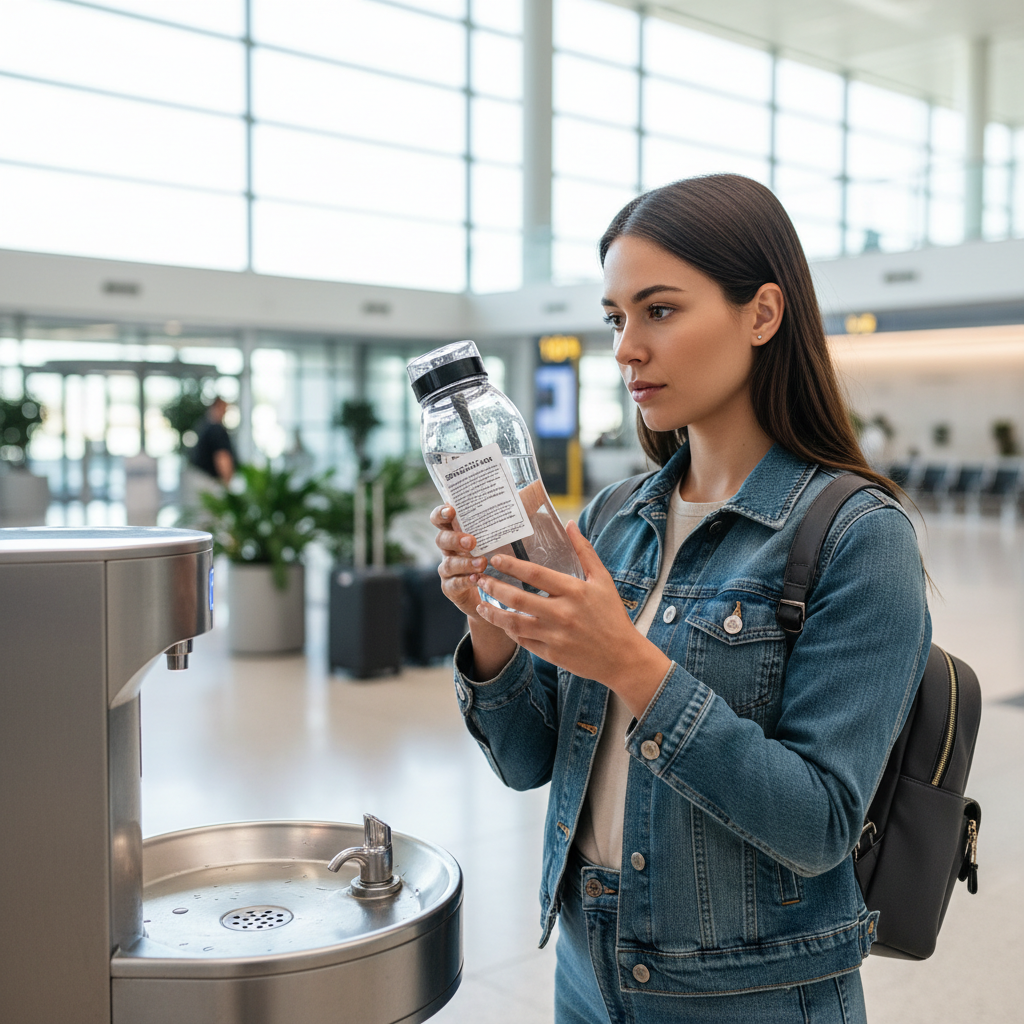
This guide breaks down what to look for, how to match a bottle to your destination, and a few practical habits that matter more than people expect.
What “safe” means on the road (and what filters really do)
Travel water safety usually comes down to three buckets, microbes (bacteria and protozoa), viruses, and chemicals/heavy metals. Different technologies address different buckets, and that’s why two “filter bottles” can perform very differently.
According to CDC, contaminated water can expose travelers to disease-causing germs, and prevention often involves choosing safe water sources and using effective treatment methods when needed.
- Most filter bottles focus on bacteria and protozoa (common causes of GI issues). Many use a microfilter with small pore size.
- Viruses are tougher, they often require purification (certain UV systems, chemical disinfectants, or filters rated for viral reduction).
- Chemicals and metals vary by region and plumbing, carbon can reduce some tastes/odors and certain chemicals, but not all contaminants.
So the practical definition of “safe” is not one universal standard, it’s “safe enough for this destination, with this bottle, used this way.”
Why travelers run into trouble with filtered bottles
When a filtered bottle fails in the real world, it’s usually less about the idea and more about the mismatch.
- Overestimating capability, many people assume any filter removes everything, including viruses and toxic chemicals.
- Bad refill points, hotel rooftop tanks, old pipes, or questionable taps can add contaminants after treatment upstream.
- Cross-contamination, clean water touching a dirty mouthpiece, cap threads, or hands defeats the whole point.
- Expired or clogged cartridges, flow slows down, people squeeze harder, bypass seals, or stop using it consistently.
- Cold-weather or altitude quirks, some systems slow down or become harder to use when temperatures drop.
One small mindset shift helps, think of your bottle as a system you maintain, not a magic straw.
Quick self-check: do you need filtration, purification, or both?
If you’re trying to choose a water bottle with filter travel option quickly, this checklist usually clarifies the category.
- Mostly U.S. cities, Canada, Western Europe, Japan: filtration for taste and occasional plumbing issues often fits, though local advisories still matter.
- Backpacking, rural areas, untreated surface water: you typically want strong protozoa/bacteria protection, plus a plan for viruses depending on region.
- Places where viral waterborne illness risk is higher: consider purification capability, or pair filtration with a disinfectant method.
- Industrial/agricultural areas with chemical runoff concerns: filtration may improve taste, but chemical risk is complex, bottled water can be the safer default.
- Immunocompromised travelers or higher medical risk: it’s worth asking a clinician for destination-specific guidance.
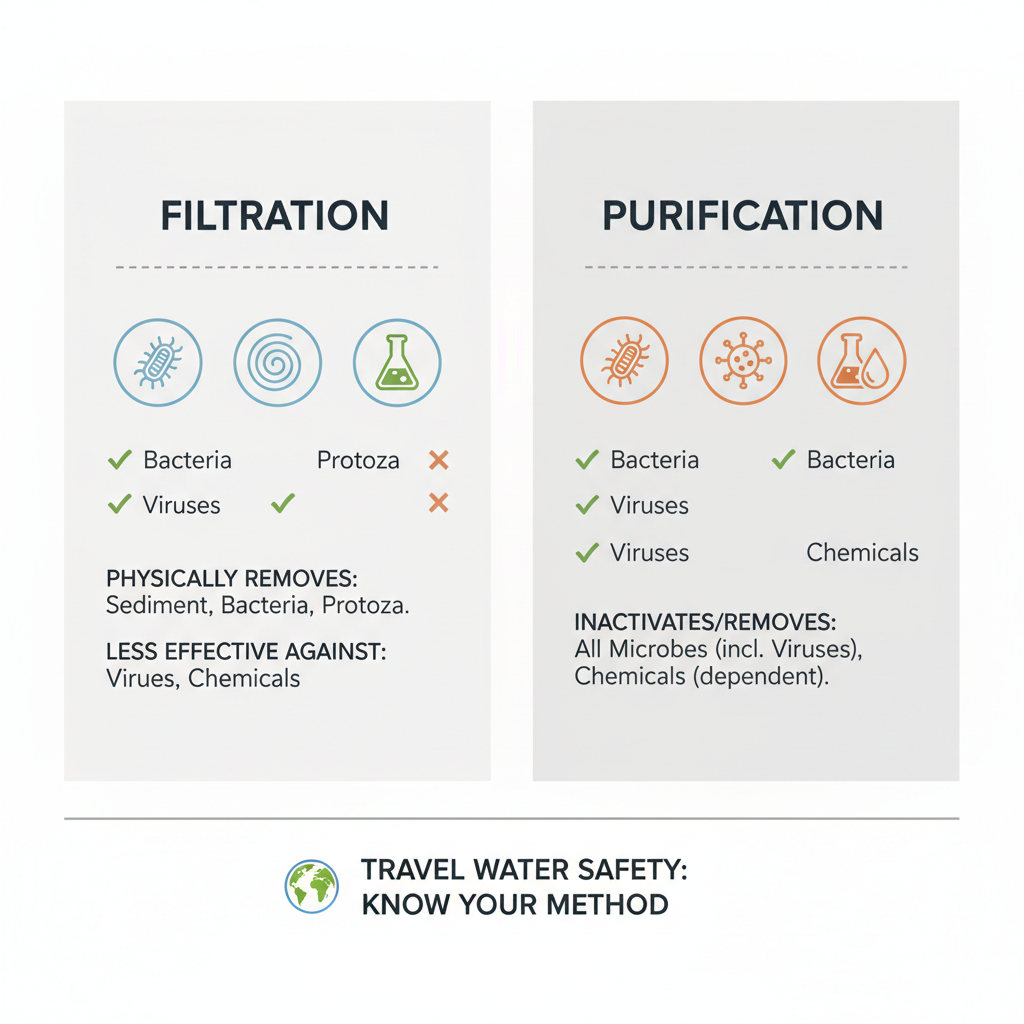
Still unsure, a practical fallback is to filter for sediments and taste, then add a virus-killing step when you’re in higher-risk areas.
How to choose a travel filter bottle without overbuying
Specs can look similar, but a few features actually predict daily usability and safety.
Key features that matter
- What it’s rated to reduce: look for clear claims about bacteria/protozoa, and whether it includes virus reduction or needs pairing with disinfectant.
- Cartridge lifespan and availability: if refills are hard to get on the road, you’ll end up stretching cartridges too long.
- Flow rate: if it’s painfully slow, you’ll “temporarily” stop using it, and that’s usually when trouble hits.
- Wide-mouth vs narrow: wide-mouth helps with cleaning and filling from awkward sources, narrow-mouth can be nicer for sipping but harder to scrub.
- Leak resistance: travel bags get tossed around, a good seal matters more than fancy aesthetics.
A simple comparison table (what to expect)
| Option | Typical strengths | Typical gaps | Best for |
|---|---|---|---|
| Microfilter bottle | Good for bacteria/protozoa, improves taste | Often not for viruses, varies on chemicals | Most urban travel, hiking with clear streams (region-dependent) |
| Filter + activated carbon | Better taste/odor, may reduce some chemicals | Still not a universal chemical solution | Chlorine taste, old plumbing hotels |
| UV purifier bottle | Targets microbes including viruses (when used correctly) | Needs power, water clarity matters, doesn’t “remove” particles | High-risk destinations, frequent refills |
| Filter + chemical tablets (pairing) | Flexible, can cover viruses depending on product and contact time | Wait time, taste, user compliance | Backups, mixed itineraries |
According to EPA, different treatment methods reduce different contaminants, and product labels and certifications help clarify what a device is designed to address.
How to use a filtered bottle safely: a field routine that works
Using a water bottle with filter travel gear safely is less about one big trick and more about consistent small moves.
Step-by-step habits worth adopting
- Pick your refill spots: prefer trusted sources, airport refill stations, reputable hotels, or water that’s known to be treated.
- Clean hands, then handle the mouthpiece: sanitizer before touching the spout is underrated, especially at bus stops and markets.
- Avoid dunking the cap: if you scoop from a stream or sink, keep the drinking surface from touching the source water.
- Backflush or rinse if your system supports it: clogged filters can push people into risky “workarounds.”
- Use a “dirty/clean” rule: one pocket for the clean bottle, another for anything wet or potentially contaminated.
If you’re in a place where you wouldn’t brush your teeth with tap water, treat your bottle the same way, don’t trust the outside of it to stay clean.
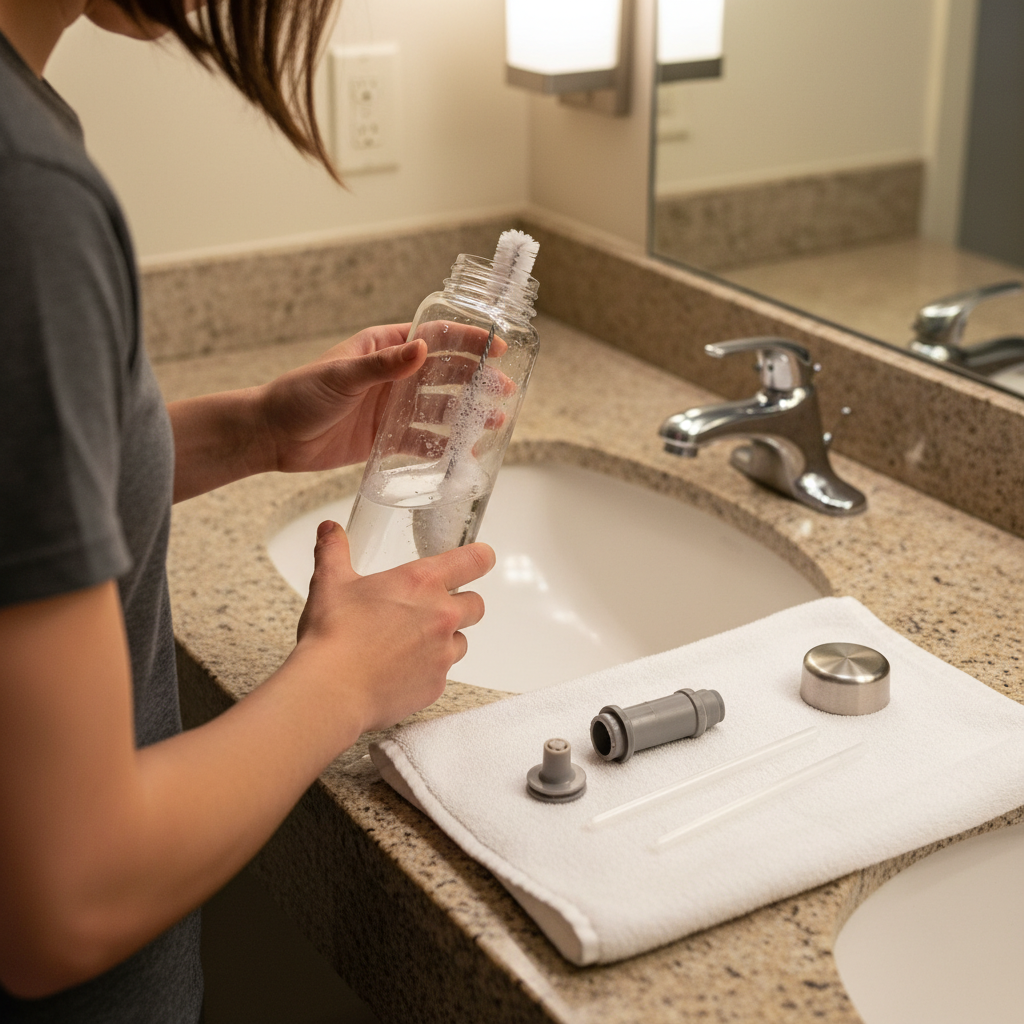
Also, don’t wait until it smells weird. If you notice funk, slimy threads, or a sticky valve, clean it that day and consider replacing the cartridge if the manufacturer recommends it.
Practical packing plan for different travel styles
One bottle can’t cover every itinerary equally, so it helps to pack to your “worst day,” not your average day.
City travel and work trips
- Filtered bottle for taste and convenience
- Small soap sheet or travel dish soap for quick cleans
- Optional backup, a few chemical tablets for disruptions or remote day trips
Backpacking and adventure travel
- Primary filter method plus a virus-capable backup (region dependent)
- Collapsible “dirty water” bag if you need to transport water to camp
- Spare cartridge if your route makes replacements impossible
International multi-country itineraries
- Bring a plan for airports, train stations, long tours, and hotel nights
- Check local advisories when you can, even “safe” countries have boil-water notices
According to WHO, safe drinking-water approaches depend on local hazards and system reliability, so adjusting your method to the setting is a normal part of staying healthy.
Common mistakes that cancel out your safety gains
These are the facepalm moments I see people repeat, often because they’re tired, rushing, or trying to be “low maintenance.”
- Filtering water, then adding ice from an unknown source, ice can reintroduce contamination.
- Storing the bottle wet with the cap closed for hours in a warm bag, that’s a perfect environment for growth.
- Ignoring manufacturer instructions, contact time, battery needs, and cartridge seating are not optional details.
- Using the bottle as a shared cup, sharing saliva and touching spouts increases risk fast.
Key takeaway: the bottle reduces exposure only if the “clean side” stays clean and the treatment matches the threat.
When to switch tactics and get help
If you develop severe or persistent symptoms after suspected unsafe water, especially high fever, blood in stool, signs of dehydration, or symptoms lasting more than a couple days, it’s smart to contact a medical professional. Travel-related illness can have many causes, and self-treating blindly can backfire.
For destination planning, a travel medicine clinic can help you decide whether filtration is enough, or if you should prioritize sealed bottled water, boiling, or a purifier method for viruses.
Conclusion: a safer, less wasteful way to stay hydrated
A water bottle with filter travel choice can be a solid upgrade for many trips, especially when your main risks are questionable plumbing, bad taste, or inconsistent refill options. The win is convenience plus fewer plastic bottles, but it works best when you match the tech to the destination and keep the mouthpiece and cap clean.
If you want one action to take today, look up what your bottle is rated to reduce, then decide whether your itinerary calls for a virus-focused backup. The second action is simpler, build a quick cleaning routine you can repeat even when you’re exhausted.
FAQ
Is a filtered water bottle safe for international travel?
Often yes for many common scenarios, but it depends on what the filter is designed to reduce and where you’re traveling. In higher-risk areas, you may want purification for viruses or rely on sealed bottled water.
Does a filter bottle remove viruses?
Many filter bottles don’t, at least not reliably. Some purifier-style systems can address viruses when used correctly, so check the product claims and any certifications rather than assuming.
Can I use a filtered bottle with hotel tap water?
In many cases it helps, especially for taste and potential particulate issues. If the hotel has a known water advisory or you notice strong odors, discoloration, or frequent plumbing problems, switching sources may be the safer call.
What’s the difference between filtration and purification for travel water?
Filtration typically removes particles and many microbes by physically blocking them, purification focuses on inactivating microbes, including viruses in some systems. The right choice depends on the threats you’re more likely to face.
How often should I replace the filter cartridge while traveling?
Follow the manufacturer’s guidance, and replace sooner if flow rate drops significantly or the cartridge has been exposed to questionable water beyond its design. Stretching cartridges is a common reason people abandon safe habits mid-trip.
Can I put electrolyte powder or flavored drops in a filter bottle?
Usually you can add flavor after filtering, but putting sugary mixes into some systems can make cleaning harder and may affect valves or cartridges. If you do it, clean more frequently and avoid letting it sit warm for hours.
Is boiling still better than using a filter bottle?
Boiling can be very effective for killing microbes when done properly, but it’s not always practical on the move. Many travelers combine methods, using a bottle day-to-day and keeping boiling or tablets as a backup.
If you’re planning a trip where water quality feels uncertain, or you want a more dependable routine than constantly buying disposable bottles, a well-chosen filtered bottle plus a simple hygiene habit can be an easier system to stick with, and that’s what usually keeps people safest.