
Monastery travel visits tips start with one simple idea: you’re stepping into someone’s living spiritual space, not just a sightseeing stop, so your choices around clothing, noise, photos, and timing matter more than they do at most attractions.
If you’ve ever hesitated at the entrance thinking, “Am I dressed appropriately?” or “Can I take pictures in here?” you’re not alone, monasteries tend to have rules that feel obvious once you know them, but confusing when you don’t.
This guide focuses on practical decisions you can make before and during your visit, plus a quick checklist for common situations like guided tours, ceremonies, and overnight stays, without turning the experience into a rigid set of do’s and don’ts.
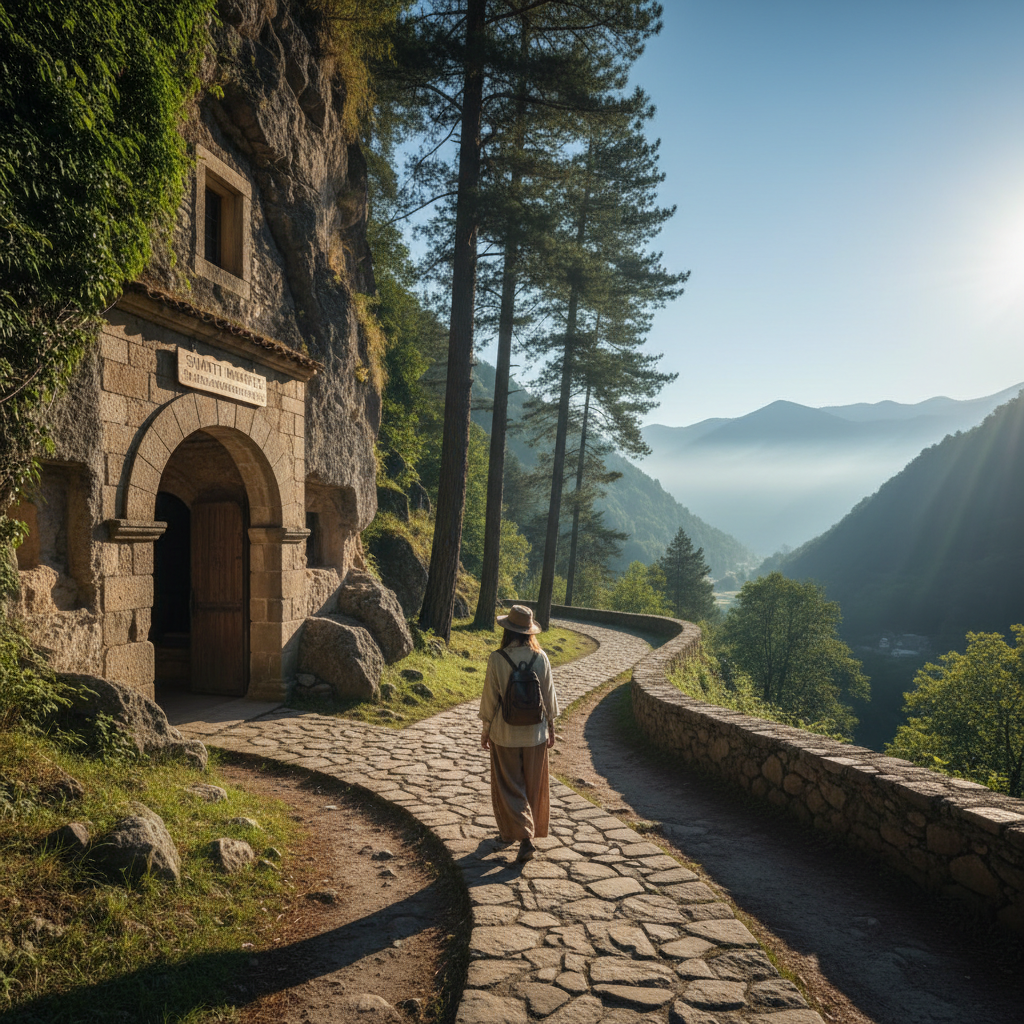
Know what kind of monastery you’re visiting (rules vary more than people think)
One reason monastery visits go sideways is that travelers assume “a monastery is a monastery,” but customs shift by tradition, country, and whether the site is active, partially active, or basically a museum with monks nearby.
- Active monastic community: expect stricter quiet zones, limited access areas, and more sensitivity around photos.
- Pilgrimage site with visitors: often visitor-friendly, but dress codes and ritual spaces stay non-negotiable.
- Historic monastery / heritage site: more signs, ticketing, and staff, yet chapels may still require respectful behavior.
When in doubt, treat the most sacred spaces like a place of worship, even if the rest feels like a regular tourist site.
Why dress, sound, and timing are the real “make or break” factors
Most problems aren’t about big mistakes, they’re about a string of small frictions: bare shoulders in a strict chapel, loud conversation in a cloister, arriving mid-ritual and blocking a passageway.
Dress codes that cover 90% of situations
- Bring a light layer that can cover shoulders or knees if needed, a scarf works surprisingly well.
- Avoid clothing with large slogans or graphics when possible, it’s not always banned, it just reads as out of place.
- Wear shoes you can remove easily if the site requires it, and pack clean socks.
Sound and “spatial awareness”
- Lower your voice before you enter, don’t wait until someone shushes you.
- Keep headphones off in sacred areas, even if you’re not listening to anything, it can look dismissive.
- Step aside for monks, nuns, and worshippers, tourists clustering at doorways is a common annoyance.
Timing: the underrated skill
If you can, visit outside peak group-tour hours, quieter windows make it easier to understand the place without feeling policed. Also, ceremonies often change access, so your plan needs a little flexibility.
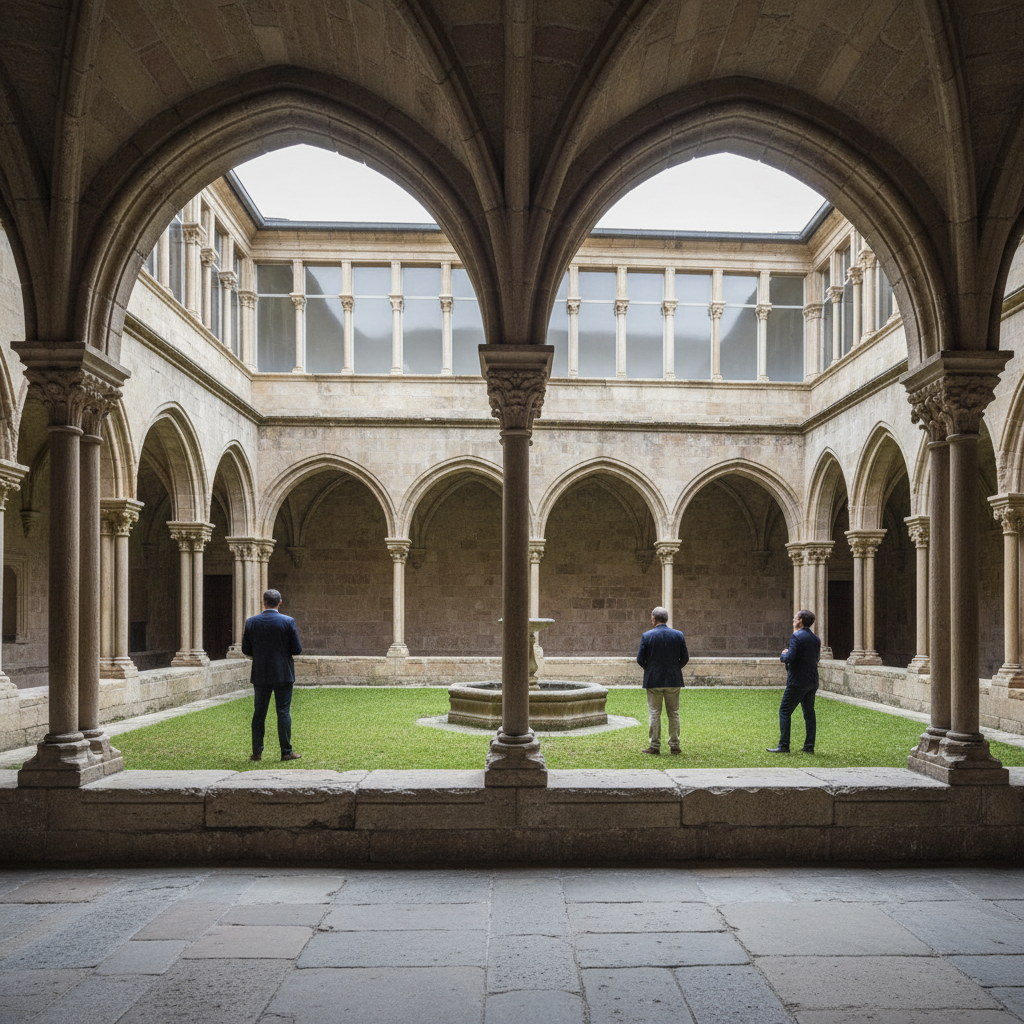
Quick self-check: which visitor profile are you (and what to prioritize)?
Use this as a fast “reality check” before you walk in, it helps you apply the right monastery travel visits tips without overthinking.
- I’m here mainly for photos: prioritize signage, ask before photographing people, and assume flash is unwelcome.
- I’m curious and want context: prioritize guided tours or visitor centers, and save deeper questions for designated times.
- I want a quiet, reflective experience: prioritize early hours, quiet zones, and less “must-see” coverage.
- I’m attending a service: prioritize seating etiquette, phone-off, and following the lead of regular worshippers.
If you’re unsure, choose the “quiet, reflective” posture by default, it rarely offends anyone.
Practical etiquette that actually comes up on-site
People don’t usually get in trouble for not knowing theology, they get in trouble for ignoring boundaries. These are the moments that show up in real visits.
Photography and filming
- Look for icons, altars, relics, or art with “no photo” rules, some restrictions protect worship rather than copyright.
- Ask before photographing monks, nuns, or staff, and accept “no” without debate.
- Skip flash, even when it’s not explicitly banned, it can disrupt prayer and damage sensitive art in some cases.
Offerings, donations, and purchases
- Donation boxes often support upkeep and community needs, but there’s usually no required amount.
- If there’s a shop, buying something small can be a respectful way to contribute, especially at working monasteries.
Food, water, and chewing gum
Many sites allow water, but eating inside sacred areas can be frowned upon. If you need snacks for health reasons, step outside or ask staff where it’s appropriate. If this is tied to a medical condition, consider checking with a medical professional before long periods without food.
Planning tools: a small table that prevents most surprises
Below is a planning cheat sheet you can screenshot. It’s not perfect for every tradition, but it covers the most common visitor-facing rules.
| Situation | What to do | What to avoid |
|---|---|---|
| Arriving during a service | Enter quietly, sit/stand where visitors are directed | Walking around to “get the best view” |
| Dress code unclear | Cover shoulders/knees, bring a wrap layer | Arguing with staff about fairness |
| Photo opportunities | Follow signs, ask permission for people | Flash, tripods in tight spaces |
| Quiet zones | Phones on silent, short whispers if needed | Speakerphone, video calls |
| Monastery stay / retreat | Confirm rules in writing, ask about meal times | Assuming hotel-style flexibility |
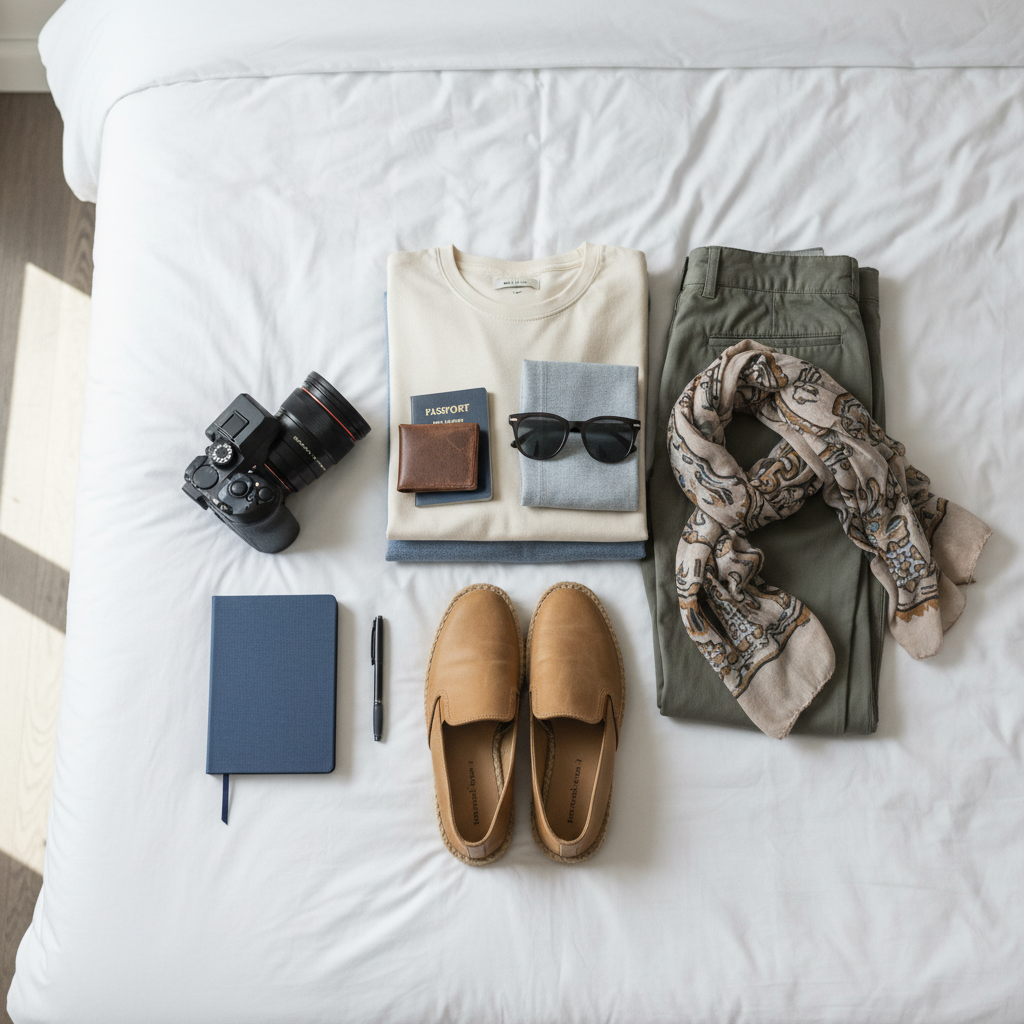
Step-by-step: how to visit respectfully without feeling awkward
Here’s a simple flow that works in many countries and traditions. It keeps you from “over-performing” respect while still being considerate.
- Before you go: check the official site or listing for dress and photo rules, if it’s unclear, pack a cover-up layer.
- At the entrance: slow down, scan signs, and watch what locals do for about 10 seconds.
- Inside: keep to visitor routes, assume closed doors are not invitations, and avoid blocking narrow corridors.
- If you’re unsure: ask a staff member or volunteer one specific question, not a long list.
- Leaving: if you took photos, double-check you didn’t capture private moments or faces in sensitive contexts before posting.
Key takeaway: the goal isn’t to do everything perfectly, it’s to avoid disrupting prayer, privacy, and daily work.
Common mistakes that make staff tighten rules for everyone
Some visitor behavior causes monasteries to become stricter over time, and that hurts the experience for respectful travelers too. A few to keep off your list:
- Turning sacred rooms into a photo set, including posing on steps or leaning on altars.
- Using drones near quiet compounds, even when local laws are unclear, it often creates immediate conflict.
- Assuming “it’s empty, so it’s fine,” quiet spaces still function as worship spaces.
- Touching artifacts or religious objects for “texture shots,” oils from hands can damage surfaces.
According to UNESCO, respecting cultural heritage includes following site rules designed to protect places and living traditions, which is a good mindset whether the monastery is famous or completely off the radar.
When to ask for help or adjust plans (accessibility, health, and safety)
Some monasteries sit on hills, have uneven stone floors, or include long stair sections. If you have mobility needs, it’s worth checking accessibility details ahead of time and asking if there’s an alternate route.
- Altitude, heat, long walks: these can affect people differently, hydrate and pace yourself, and if you have a health condition, consider guidance from a medical professional.
- Solo travel comfort: if you feel out of place, join a structured tour or visit during staffed hours, it often reduces anxiety.
- Overnight stays: confirm what’s provided, some places are intentionally simple, and that simplicity is part of the point.
Conclusion: make the visit meaningful, not just compliant
Monastery visits tend to feel “special” when you stop treating them like a checklist attraction and give them a different pace, quieter voice, more patience, fewer photos, better timing. If you only do two things next time, pack a cover-up layer and plan for a calm, early visit window.
If you’re building an itinerary, save these monastery travel visits tips in your notes and apply them as a quick pre-entry ritual, it’s the simplest way to show respect without making the experience stiff.
FAQ
What should I wear for a monastery visit as a tourist?
In many places, covering shoulders and knees avoids most problems, and a light layer solves edge cases when rules are stricter than expected.
Can I take photos inside monasteries?
Sometimes yes, sometimes no, and the rules may change room to room. Look for signs, skip flash, and ask before photographing people.
Is it rude to visit a monastery just to look around?
Usually not, many monasteries expect visitors, but the “tourist mindset” can feel rude if it turns prayer areas into a backdrop for loud conversation or posing.
How long should I plan to spend at a monastery?
For a small site, 30–60 minutes can be enough, while larger complexes may take a few hours, especially if you include a museum or gardens. Build in buffer time for services that limit access.
Do I need to be religious to attend a service?
Often no, visitors can observe respectfully, but participation expectations differ by tradition. If you’re unsure, follow what regular attendees do and avoid taking up front seats.
Are monastery stays safe for travelers?
Many are safe and well-organized, but conditions vary by location and operating model. Confirm rules, arrival times, and boundaries in advance, and trust your judgment if something feels off.
What’s the best way to avoid offending monks or nuns?
Keep questions brief and well-timed, avoid intrusive photos, and respect private areas. A calm, observant approach usually lands well.
If you’re planning a trip with multiple sacred sites, or you’d rather not guess which rules apply where, a simple planning template with a packing list, timing notes, and a “photo policy” reminder can make your monastery travel visits tips feel effortless, while still keeping the visit respectful.