
Night sightseeing travel tips matter most when you want the magic of a city after dark without the nagging feeling you’re taking unnecessary risks. The goal isn’t to be paranoid, it’s to stay predictable, prepared, and hard to target while still having fun.
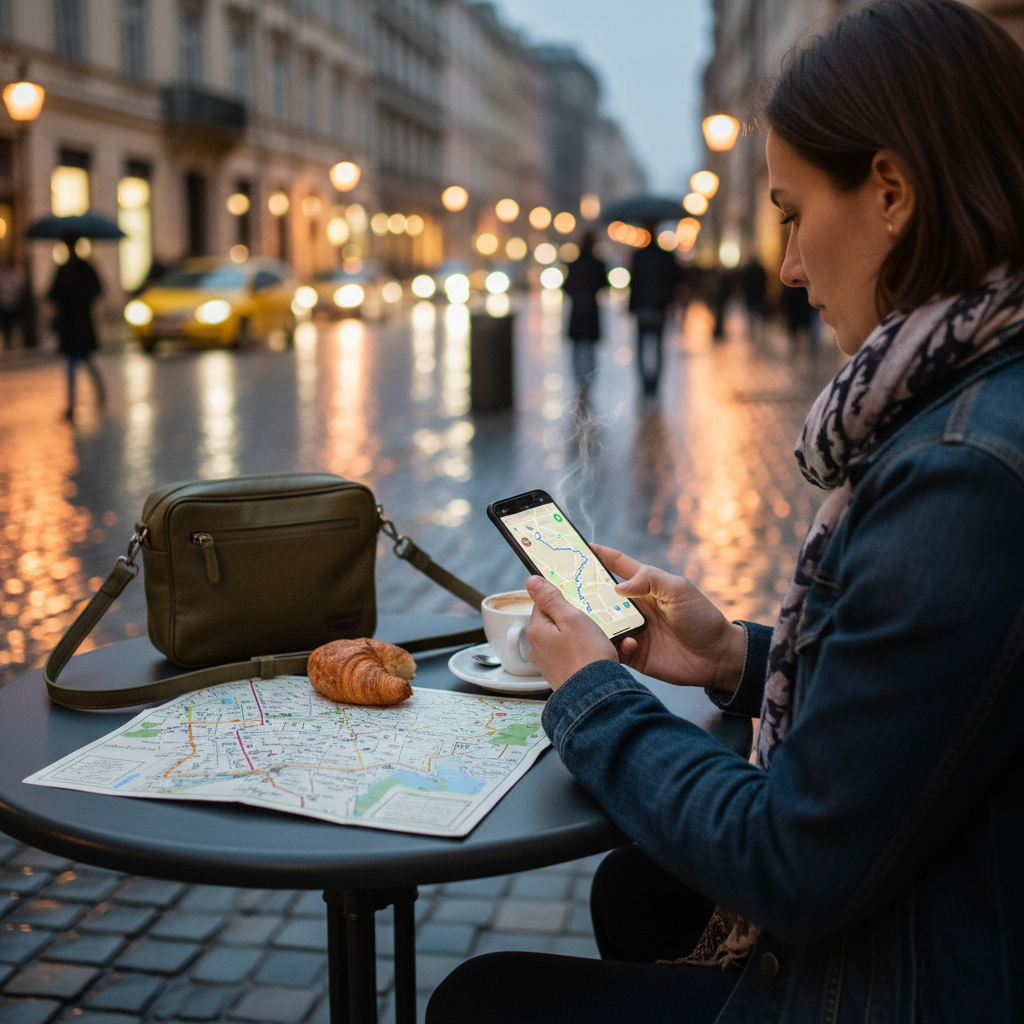
Night tours, skyline viewpoints, food streets, live music, light shows, these are often the best parts of a trip. But crowds thin out, transit schedules change, and it’s easier to miss small warning signs when you’re tired or distracted.
This guide breaks down the real-world choices that reduce risk: where you go, how you move, what you carry, and what you do if a situation feels off. You’ll also get a quick self-check, a practical packing list, and a simple “if this, then that” plan for common problems.
What makes night sightseeing riskier (and what actually matters)
Most incidents travelers run into at night aren’t movie-level dramatic, they’re usually opportunistic: a snatch-and-run, a distraction scam, a drink spiked in a crowded bar, or getting stranded when a transit line stops running. The good news is that small decisions cut a lot of that risk.
- Lower visibility: you can’t read a street as well, and drivers may not see you as clearly.
- Fewer “helpers” around: fewer open businesses, fewer staff, fewer bystanders who can intervene.
- More distraction: photos, navigation, nightlife energy, all pull attention away from surroundings.
- Shifts in crowd mix: some areas turn from commuter hubs to nightlife zones, which changes the vibe.
According to the U.S. Department of State, travelers should keep a low profile, stay aware of surroundings, and plan transportation in advance. That framing is useful because it’s not fear-based, it’s behavior-based.
A quick self-check: are you set up for a safe evening out?
If you answer “no” to a couple items below, don’t cancel your night, just tighten the plan. Many people skip this check because it feels boring, and then end up making stressed decisions at 11:30 p.m.
- My phone has enough battery for the full night, and I have a backup power option.
- I know how I’m getting back, including a Plan B if transit ends early.
- I can name the neighborhood I’m in and the one I’m going to.
- I’m carrying only what I’d be okay losing (or I have a secure way to carry it).
- I’m not relying on random strangers for directions, rides, or “deals.”
- Someone else knows my rough plan (a friend, hotel front desk, travel partner).
Key point: safety improves fast when you reduce uncertainty, especially around transportation and valuables.
Pick the right night spots: safe doesn’t mean boring
Night sightseeing travel tips often get framed like “avoid everything,” which isn’t realistic. A better approach is choosing places that stay lively, well-lit, and staffed, then being selective about the route between them.
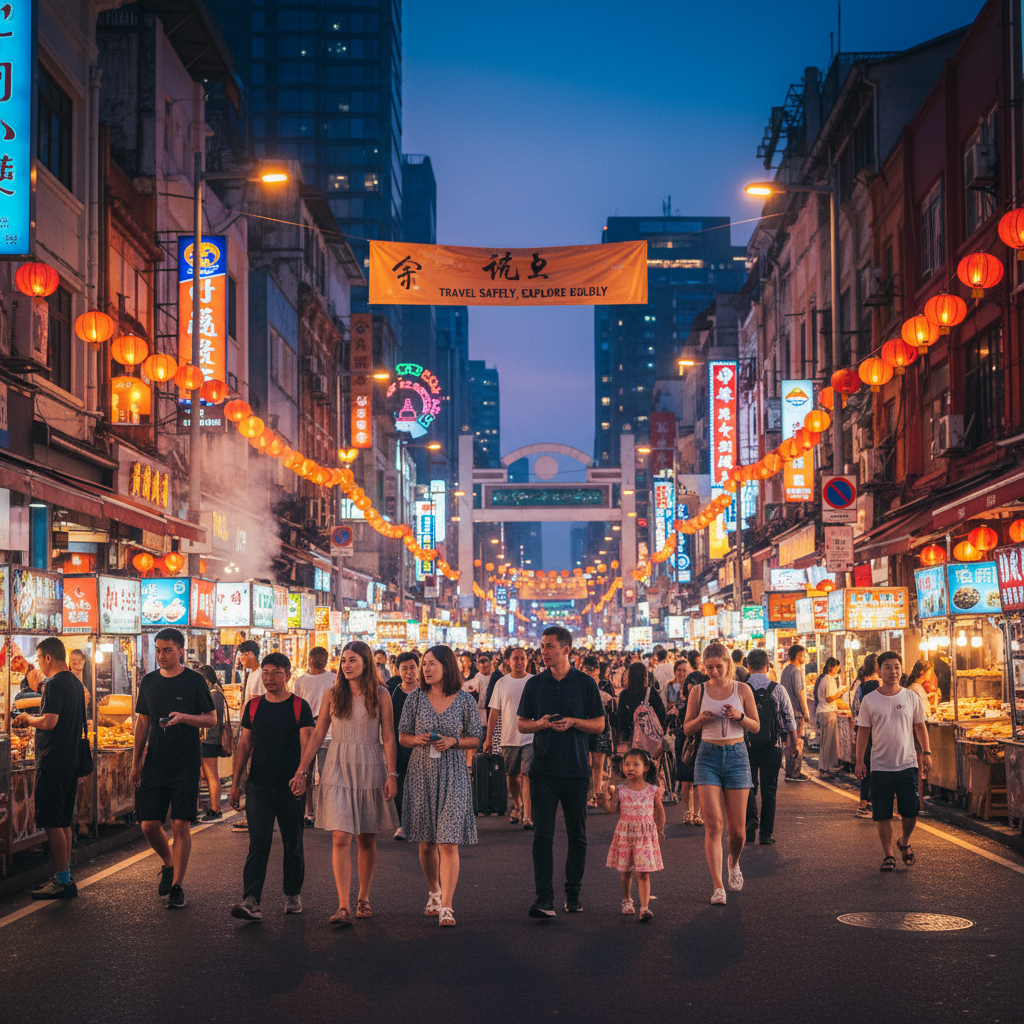
In many cities, these tend to be safer choices at night:
- Night markets and food halls with lots of vendors and clear exits
- Official viewpoints (ticketed towers, observation decks) rather than isolated hills
- Waterfront promenades that remain active and patrolled, not dark piers
- Guided night tours run by established operators with clear meeting points
- Cultural districts near theaters, stadiums, or event venues with steady foot traffic
Places that often deserve extra caution aren’t always “bad,” they’re just harder to manage if something goes wrong: empty parks, poorly lit shortcuts, long stretches between open businesses, and areas where you’re clearly the only tourist.
If you’re unsure, ask your hotel staff what areas are comfortable to walk at night versus better by rideshare. It’s not perfect advice, but it’s usually more practical than generic city warnings.
Transportation after dark: plan the return before you leave
The most common way a fun evening turns stressful is simple: the way back wasn’t planned. Before you head out, decide your “return method” and the cutoff time when you’ll switch to a safer option.
Smart defaults that work in many U.S.-style travel scenarios
- Transit early, rideshare late: use public transit while it’s busy, switch later when platforms thin out.
- Pick a well-lit pickup point: in front of a hotel, busy restaurant, or venue entrance.
- Avoid wandering to “find a cheaper ride”: that’s when you get isolated.
- Save offline info: hotel address screenshot, local emergency number, and a pin on your map.
According to the National Highway Traffic Safety Administration (NHTSA), pedestrians face increased risk in low-light conditions, so choosing lit streets and visible crossings is a practical safety move, not a “tourist move.”
If you drive, be realistic about fatigue and alcohol. If drinking is part of the night, it’s usually safer to plan not to drive and to confirm your ride options before the first round.
What to carry (and what to leave behind): a simple, safer setup
You don’t need special gear, but you do want fewer failure points. The best setup is the one you can stick to even when you’re tired.
- Carry: one card, some cash, ID as required, phone, a small power bank, and your room key.
- Secure: crossbody bag with zippers in front, or a jacket pocket with a zipper, not an open tote.
- Limit: flashy jewelry, expensive cameras in high-crowd zones, and a wallet stuffed with everything.
- Separate: keep one backup payment method in a different spot than your main card.
A quick reality check: many thefts happen when people set a phone on a table for “just a second,” or keep it in a back pocket while filming. If you’re taking photos, create a habit: shoot, check, then put the phone away.
Situational awareness without ruining the vibe
Being aware doesn’t mean scanning everyone like a security guard. It means staying out of the easiest-target category: distracted, isolated, and overloaded with bags.
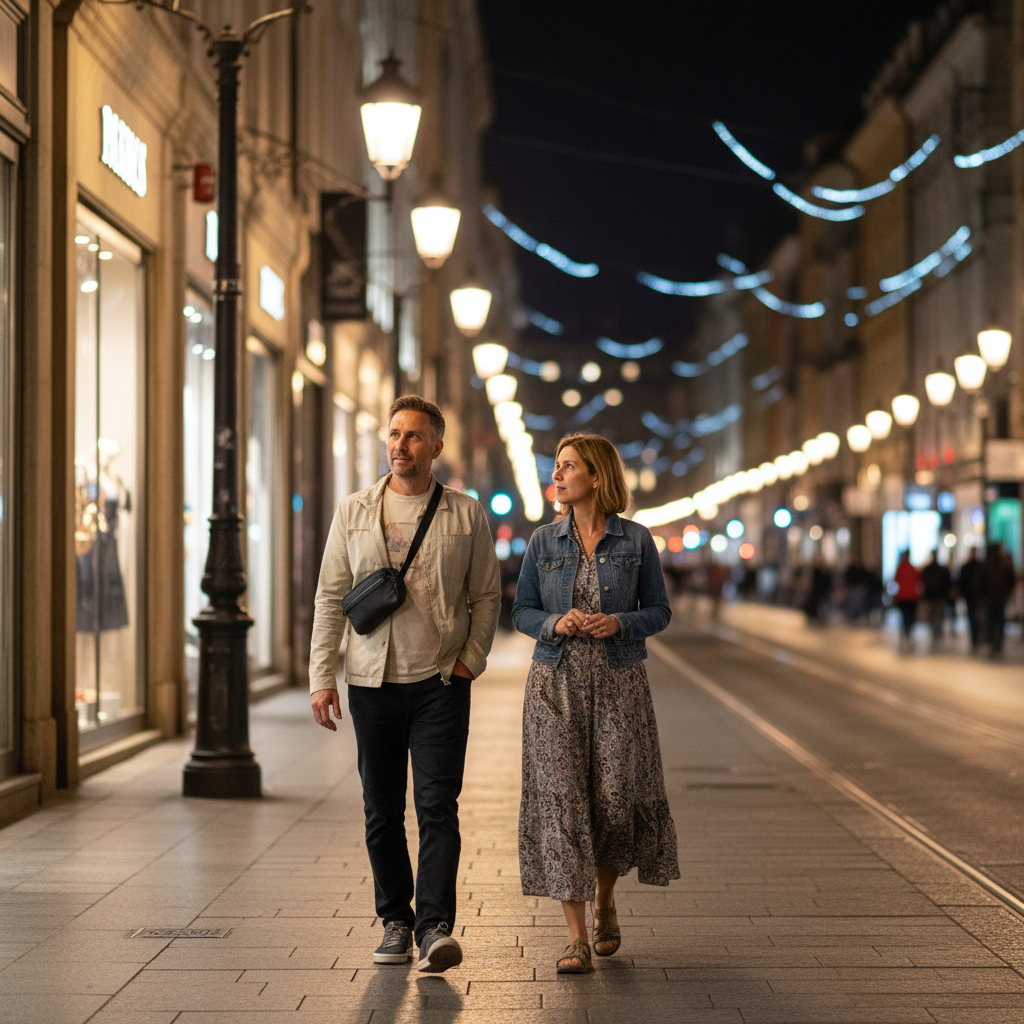
Try these habits that don’t feel extreme:
- Navigation “pause points”: step inside a shop or stand near a staffed entrance before checking your map.
- Headphones rule: one ear open, or low volume, especially when crossing streets.
- Trust the first uneasy feeling: you don’t need “proof” to change direction.
- Stay predictable: don’t take random shortcuts just to save three minutes.
Common nightlife scams vary by city, but the pattern repeats: distractions, urgency, and social pressure. If someone tries to rush you into a choice, that’s a cue to slow down.
Practical safety plan: what to do if something goes wrong
When a situation turns uncomfortable, having a script helps. You want options that are simple and socially clean.
Fast “if-then” responses
- If you feel followed, then enter the nearest open business, ask staff to call a cab or security, and wait inside.
- If someone grabs your phone or bag, then don’t chase into dark areas, move to safety and contact local authorities; consider contacting your bank and mobile carrier quickly.
- If your drink feels off, then stop drinking it, tell staff, and seek medical help if you feel unwell; this can be time-sensitive, so err on the cautious side.
- If you’re lost, then go to a well-lit, staffed location and re-route from there rather than walking aimlessly.
According to the Centers for Disease Control and Prevention (CDC), travelers should prioritize personal safety behaviors and situational awareness, and seek help when they feel unsafe. If you suspect a medical emergency, contacting local emergency services is the safest move.
Night sightseeing checklist by scenario (quick table)
Use this as a last-minute reference before heading out. It’s intentionally simple so you’ll actually use it.
| Scenario | What to do | What to avoid |
|---|---|---|
| Solo night walk | Stick to lit main streets, set a return time, share location with someone you trust | Headphones both ears, shortcuts through parks or alleys |
| Night market / crowded street | Carry bag in front, keep phone secured between shots, choose a clear meetup point | Phone on café table, wallet in back pocket, getting separated without a plan |
| Bars and clubs | Watch drinks, pace yourself, plan ride home before late surge pricing | Leaving with strangers, accepting open drinks, losing track of belongings |
| Taxi/rideshare | Verify vehicle/driver, sit in back seat, share trip status when possible | Getting into an unverified car, changing pickup to a dark side street |
| Night photography | Go with a buddy, use a stable spot, keep gear minimal and close | Isolated viewpoints, setting gear down while adjusting settings |
Key takeaways you can apply tonight
- Plan the return before the first photo or first drink, especially after transit slows.
- Choose lively, lit locations and treat shortcuts as optional, not “smart.”
- Reduce valuables and friction: fewer items, more secure carry, less table-top phone time.
- Use simple scripts for discomfort: step inside, ask staff, reroute, leave early.
Conclusion: enjoy the night, but keep the plan simple
Night sightseeing travel tips work best when they’re easy enough to follow even when you’re tired, distracted, or trying to squeeze in “one last stop.” Pick areas that stay active, decide your way home early, and carry less stuff in a more secure way.
If you want one action to take right now, save your lodging address offline and set a personal cutoff time for switching to a safer ride option. Small moves, calmer night.
FAQ
What are the safest night sightseeing travel tips for first-time visitors?
Keep it simple: stick to well-lit, busy areas, avoid shortcuts, and plan your ride back before you go out. First-time visitors often underestimate how quickly transit options change late at night.
Is it safer to take public transit or rideshare at night?
It depends on the city and time. In many cases, public transit feels fine earlier in the evening when stations are busy, while rideshare can be more comfortable later when platforms empty out and waits get longer.
How do I avoid pickpocketing while taking night photos?
Use “shoot, check, stow,” and keep your phone out of back pockets. In tight crowds, carry a zippered crossbody in front and avoid placing gear on ledges or tables while you adjust settings.
What should I do if someone won’t stop bothering me on the street?
Don’t negotiate. Move toward a staffed, well-lit place and end the interaction with a short line like “No, thank you,” then disengage. If it escalates, ask staff to call security or a cab.
Are guided night tours worth it for safety?
Often, yes, especially in places where navigation is tricky or neighborhoods change quickly after dark. A reputable tour can reduce uncertainty, though it’s still smart to plan your return trip afterward.
How can I tell if an area is okay to walk at night?
Look for open businesses, steady foot traffic, and good lighting, and pay attention to whether people seem relaxed or rushed. If you feel exposed or isolated, treat that as useful information and switch routes or transportation.
What if I’m traveling with family and kids at night?
Prioritize places with clear boundaries like ticketed attractions, food halls, or early evening events, and keep the night shorter. Kids get tired fast, and tired decisions are when plans fall apart.
If you’re planning an evening out and want a more tailored, less stressful approach, a local guide or a well-reviewed small-group tour can be a practical shortcut, you still get the nighttime highlights while letting someone else handle timing and routing.