
How to use a travel pillow correctly comes down to one thing: keeping your head from “falling” into awkward angles when you nod off, because that’s what usually triggers the stiff neck and headache feeling later.
A lot of people blame the pillow, but the more common issue is fit and setup, the same pillow can feel great on one trip and useless on the next depending on seat angle, posture, and how you position it.
This guide walks through what actually matters, how to tell which setup fits your body and seat, and a few practical tweaks you can do in under a minute, even if you’re already on the plane.
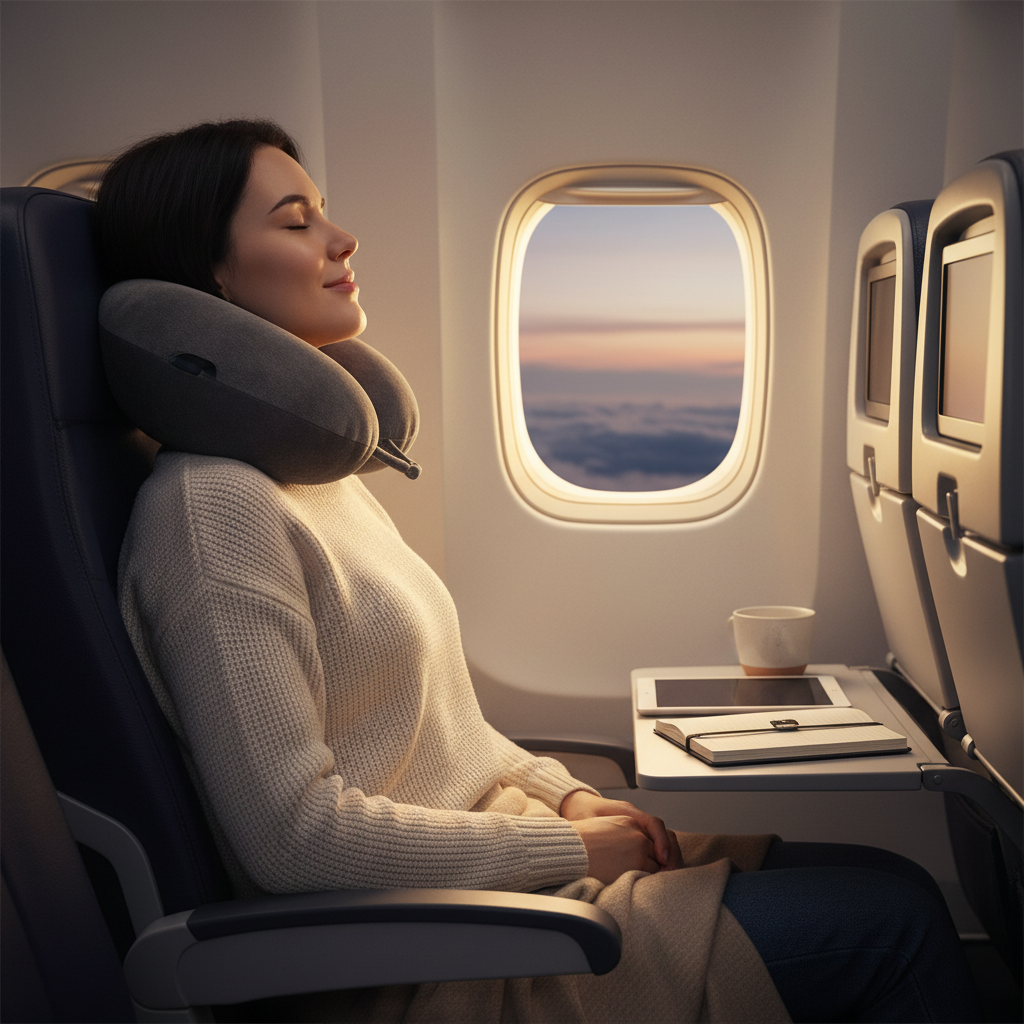
Why travel pillows feel “wrong” (even when they look right)
Most travel pillows fail for predictable reasons, and none of them are mysterious. You can usually fix comfort by correcting one or two variables.
- Your head is tipped forward, especially in upright seats, which strains the neck flexors and upper back.
- The pillow is too loose, so it becomes a soft collar that doesn’t support anything.
- The pillow is too tall, pushing your jaw up and turning your chin into a lever.
- You’re a side-leaner but using a setup meant for back sleeping.
- Your seat already has a headrest and the pillow stacks your head too far forward.
According to Mayo Clinic, good posture means keeping the ears over the shoulders and avoiding sustained slouched positions, which is exactly what long travel tends to encourage.
Quick self-check: which travel pillow setup do you need?
If you want the fast answer, do this quick check while sitting the way you’ll actually travel, don’t test it standing up in your bedroom.
30-second checklist
- If your chin drops toward your chest when you relax, you need front support or a tighter closure.
- If your head falls to one side, you need side bolsters or a higher side wall on the pillow.
- If your jaw feels pushed up, the pillow is too high or sitting too far under your chin.
- If you feel “jammed” at the back of the head, you may be stacking a pillow on top of a headrest, so you need a lower profile or a different placement.
- If your shoulders hunch up, the pillow is likely too bulky, or you’re wearing it too low.
How to use a travel pillow correctly often starts with this reality check: you’re trying to keep a neutral neck, not create a cushion fort.
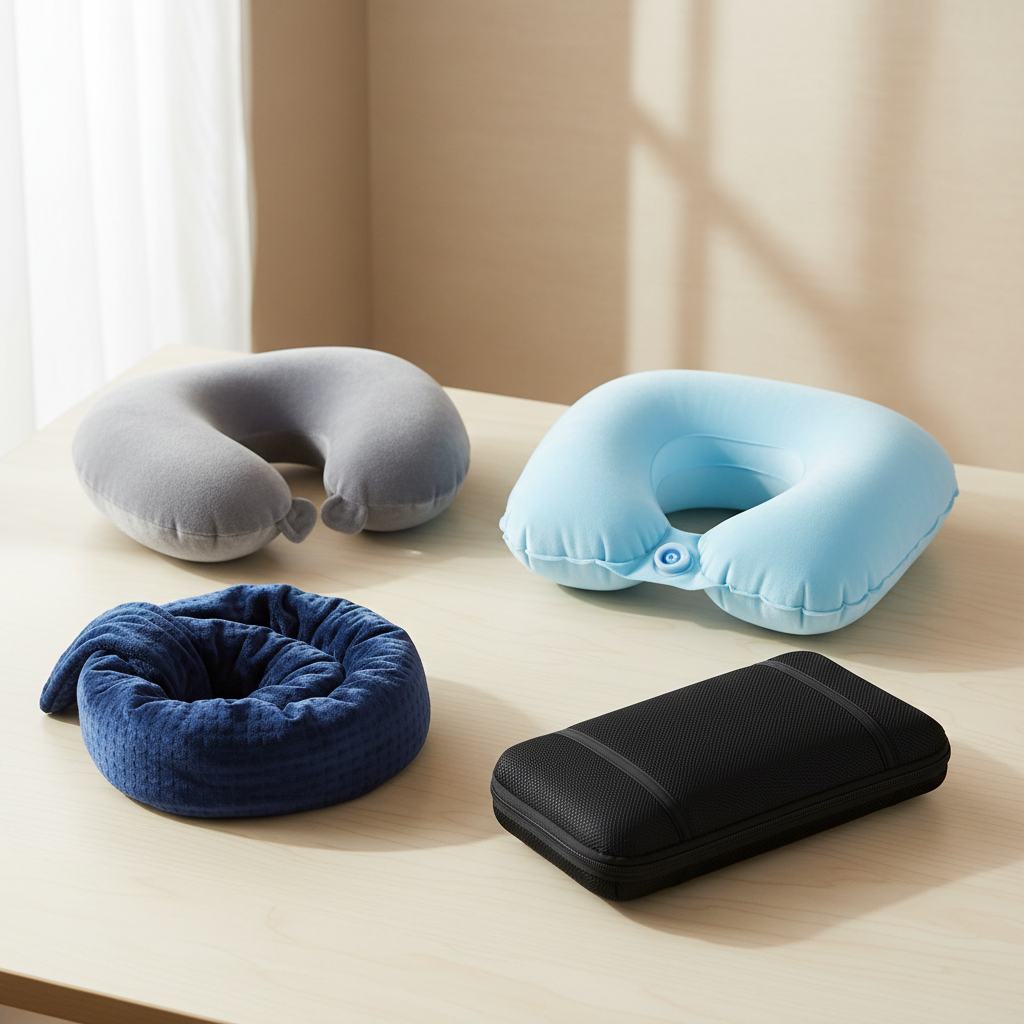
How to position a U-shaped neck pillow (the most common type)
Here’s the part many people miss: wearing a U-shaped pillow “open in front” is comfortable for some, but it often allows forward head bobbing, especially if you fall asleep deeply.
Option A: Open in back (better for forward-drop sleepers)
Rotate the pillow so the opening sits behind your neck and the thicker part supports your chin area from the front/side.
- Put the thicker ends under the jawline area, not directly on the throat.
- Close it snugly so your head can’t swing forward freely.
- Adjust your seat recline slightly if possible, even a small recline reduces chin-drop.
Option B: Open in front (better if you already have good headrest support)
This classic setup can work if your seat headrest holds your skull and you mainly need side comfort.
- Pull the pillow up so it fills the gap under the jaw, rather than sitting on the collarbones.
- Use the seat’s headrest wings, if available, to stop side tipping.
Key point: the pillow should meet your head, you shouldn’t have to “search” for it by leaning.
Different travel situations need different setups
If you’re trying to learn how to use a travel pillow correctly, match the technique to the seat and the type of sleep you’re getting, not the marketing photo.
Airplane (upright seat, limited movement)
- Prioritize chin control to prevent forward flop.
- If the headrest pushes your head forward, keep the pillow thinner at the back or rotate it.
- Add a small rolled layer behind the lower back to reduce slumping.
Car passenger (more vibration, more side lean)
- Use stronger side support, often a firmer foam works better than super plush fill.
- Don’t let the pillow interfere with the seatbelt, comfort is not worth compromising safety.
Train/bus (frequent dozing, changing posture)
- Go for a setup that works in multiple angles, wrap-style pillows tend to handle this well.
- Keep it easy to remove and reposition quickly at stops.
Table: common problems and quick fixes
Most discomfort patterns repeat, so it helps to troubleshoot like you would a backpack fit: observe, adjust one thing, re-check.
| What you feel | Most likely cause | Fast adjustment |
|---|---|---|
| Chin drops, neck feels strained | Not enough front support | Rotate pillow opening to the back, tighten closure |
| Head falls to one side | Side walls too low or too soft | Shift thicker side under the leaning side, use headrest wings |
| Jaw feels pushed up | Pillow too tall or worn too high | Lower the pillow off the throat, loosen slightly |
| Back of head pushed forward | Stacking pillow against headrest | Choose thinner back contact, or reverse orientation |
| Shoulders tense, traps sore | Pillow lifting shoulders | Wear it higher and snugger, or switch to less bulky fill |
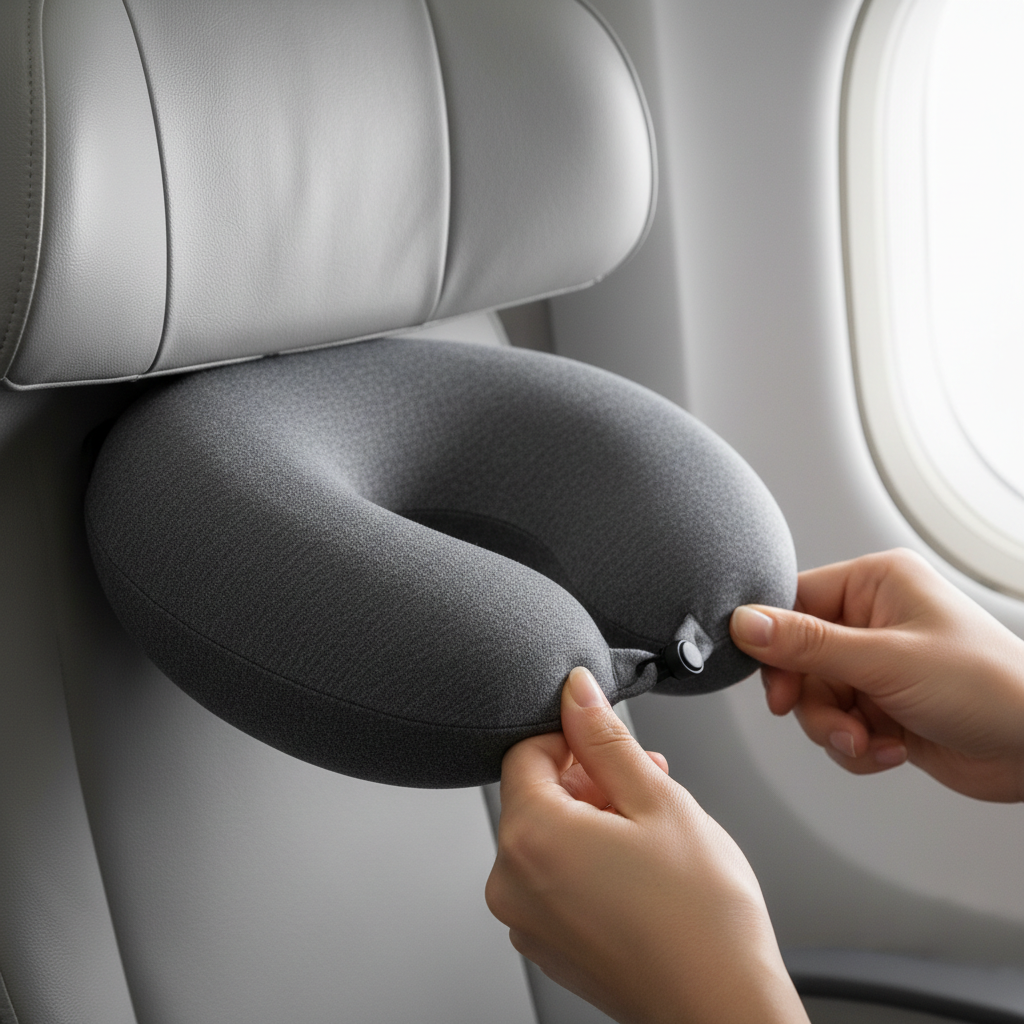
Practical step-by-step: set up your pillow in under a minute
This is the “do it in your seat” routine. It’s simple, and it beats fiddling for half an hour while getting more annoyed.
- Sit first, then fit. Put your hips back, feet stable, shoulders relaxed.
- Recline a touch if you can. Even small changes reduce the forward-drop tendency.
- Place the pillow higher than you think, so it supports the jaw area rather than the collarbones.
- Choose orientation: opening in back if you’re a chin-dropper, opening in front if you mainly need side comfort.
- Tighten until it supports, not until it chokes. You should breathe and swallow normally.
- Test the “sleep slump.” Close your eyes and let your head relax for 10 seconds, adjust once.
How to use a travel pillow correctly is less about the brand and more about this fit loop: position, tighten, test, and only then decide if it’s the wrong pillow.
Common mistakes that quietly ruin comfort
- Wearing it too low, which supports the shoulders instead of the neck, and creates more tension.
- Assuming plush equals support, soft fill can feel cozy but still let your head drift.
- Ignoring lumbar support, when your lower back collapses, your neck pays for it.
- Over-tightening, which can irritate the jaw or make you clench your teeth during sleep.
- Forcing one position, some people simply can’t sleep upright without occasional posture changes.
According to CDC, long travel increases the risk of blood clots in some situations, so getting up and moving when possible matters, even if your pillow setup feels perfect.
When to switch pillow types (and what to pick instead)
Sometimes the right move is not another adjustment, it’s choosing a design that matches how you actually sleep.
If you keep nodding forward
Consider wrap-style or scarf-style pillows designed for chin support, they typically stabilize better than a loose U-shape.
If you’re mostly a side sleeper
A firmer pillow with taller side bolsters, or pairing a travel pillow with a window-side cushion, often works better than chasing “perfect” symmetry.
If you hate bulk
Inflatable pillows can be decent when adjusted carefully, but if over-inflated they tend to push the neck into an odd angle, leaving a little give usually feels more natural.
If you have chronic neck pain, jaw issues, or you’re recovering from an injury, it’s smart to use cautious trial and error and consider asking a clinician or physical therapist what positions to avoid.
Key takeaways (so you can fix this on your next trip)
- Neutral alignment beats softness, you’re preventing awkward angles, not building a cushion.
- Fit the pillow while seated, and test by relaxing your head for a few seconds.
- Rotate the pillow if your chin drops, the “standard” orientation isn’t universal.
- Add simple back support to reduce slumping, your neck will usually feel the difference.
If you want one action step today, practice the 30-second self-check at home in a dining chair, it’s the closest low-effort simulation of an upright travel seat.
FAQ
Is it better to wear a travel pillow backwards?
For many people who nod forward, yes, rotating the opening to the back can reduce chin-drop. It depends on your seat headrest and how tall the pillow feels under your jaw.
How tight should a neck pillow be?
Snug enough that your head doesn’t swing freely, loose enough that breathing and swallowing feel normal. If you feel pressure on the throat or jaw, back off.
Why does my travel pillow make my neck hurt?
Usually it’s height, looseness, or sitting too low on the body. Another common culprit is slumping in the lower back, which shifts the head forward and overloads the neck.
Can you sleep on your side with a travel pillow on a plane?
Sometimes, especially with a window seat or headrest wings. Aim for side bolsters that keep your head from collapsing, and use the window side for steady support.
What’s the best travel pillow for long flights?
There isn’t one winner for everyone. If you drop forward, look for designs with front support; if you lean sideways, prioritize firmer side walls; if you run hot, choose breathable covers.
Are inflatable travel pillows safe and comfortable?
They can be comfortable when slightly under-inflated so they “give” a bit. Over-inflating often creates a rigid angle that feels okay for five minutes and annoying an hour later.
Should I use a travel pillow if I have a neck injury?
Use caution, and it may be worth checking with a medical professional, especially if certain angles trigger pain, numbness, or headaches. Comfort isn’t the only goal in that situation.
If you’re still experimenting and you’d rather not guess, it helps to pick a pillow based on your actual sleep pattern, chin-drop versus side-lean, and the seats you use most, then test two orientations before deciding it “doesn’t work.”