
How to pack a carry on bag efficiently comes down to three things: you pack less than you think you need, you pack the right shapes, and you pack with a plan instead of tossing items in at the end.
If you have ever paid a surprise checked-bag fee, wrestled an overstuffed zipper, or realized your “just in case” items pushed out something you truly needed, you already know why carry-on packing matters. It saves time at the airport, reduces lost-baggage risk, and makes moving between hotels, Ubers, and terminals far less annoying.
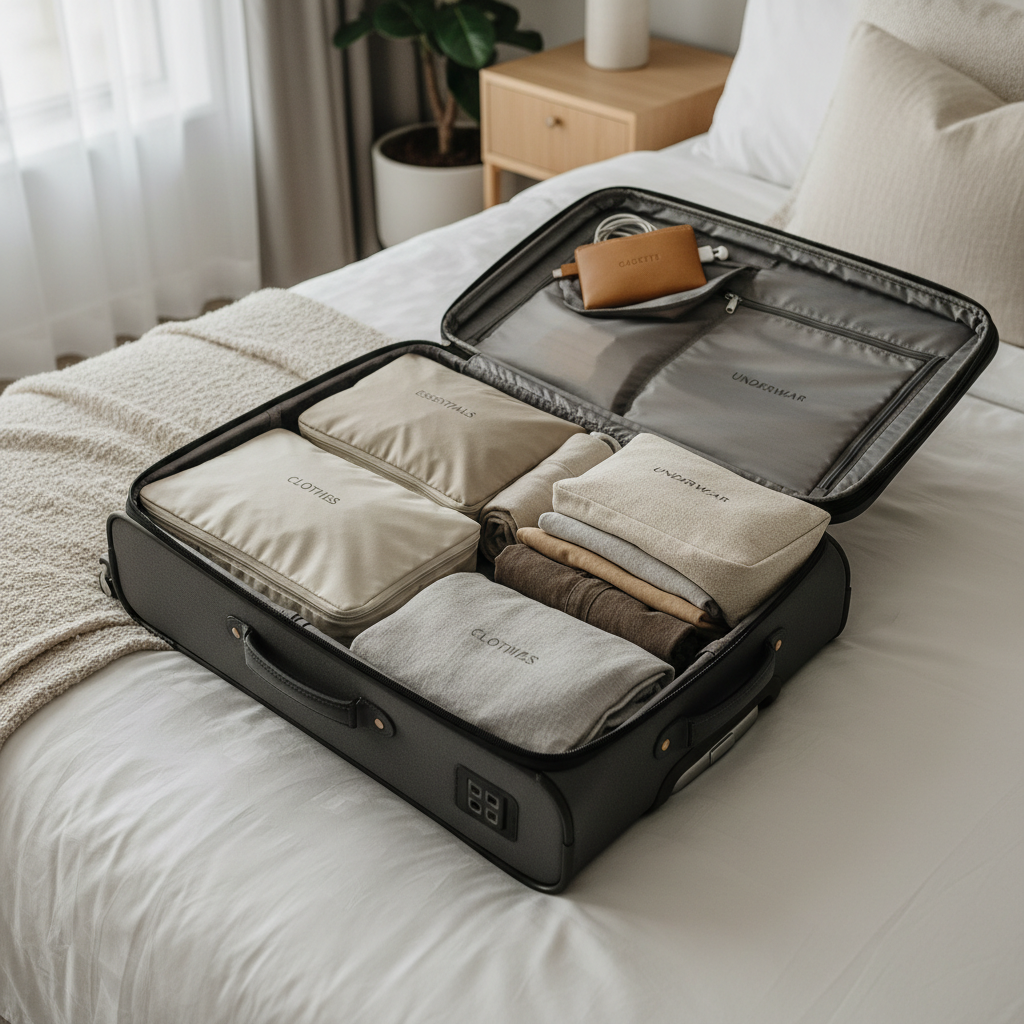
There is also a quiet confidence to traveling light. You stop negotiating with yourself at every purchase, you know where your passport is, and you do not spend the first night hunting for a charger in a pile of clothes. Below is a practical system you can repeat, tweak, and rely on.
Start With the Rules and the Bag You Actually Have
Before you touch your closet, check your airline’s carry-on and personal item limits, then measure your bag. This sounds basic, but a lot of “carry-on sized” bags are sized for some airlines, not all airlines.
According to TSA, liquids in carry-on luggage should follow the 3-1-1 rule: containers up to 3.4 oz (100 ml) inside a single quart-size bag, one bag per traveler.
Also decide what your “personal item” will do for you, because it quietly determines how efficient your carry-on can be. In most situations, a backpack or tote holds the items you cannot afford to gate-check: documents, meds, tech, valuables, and one emergency change of essentials.
- Carry-on: clothes, shoes, bulkier toiletries (within rules), non-urgent items
- Personal item: passport/wallet, medications, chargers, glasses, one layer, snacks
Build a 10-Minute Packing Plan (So You Don’t Overpack)
Most overpacking is not about need, it is about uncertainty. The fastest fix is a simple plan that forces decisions early.
Use a “days x activities” outline
Write down trip days and the few activities that truly change what you wear: work meetings, a wedding, hiking, cold weather, gym, nicer dinners. Everything else becomes repeatable basics.
- Pick 1 “nice” outfit, 1 “travel” outfit, then repeatable pieces for the remaining days
- Choose a color palette so items mix without effort
- Commit to laundry if the trip is longer, even sink-wash counts
Decide your non-negotiables
Make a short list of items you will not compromise on: a specific shoe, a hair tool, a blazer, a medical item. Then pack around them, not the other way around.
Choose the Right Packing Method: Cubes, Rolling, or Folding
When people ask how to pack a carry on bag efficiently, they often expect a “roll everything” answer. Rolling can help, but consistency matters more than the technique.
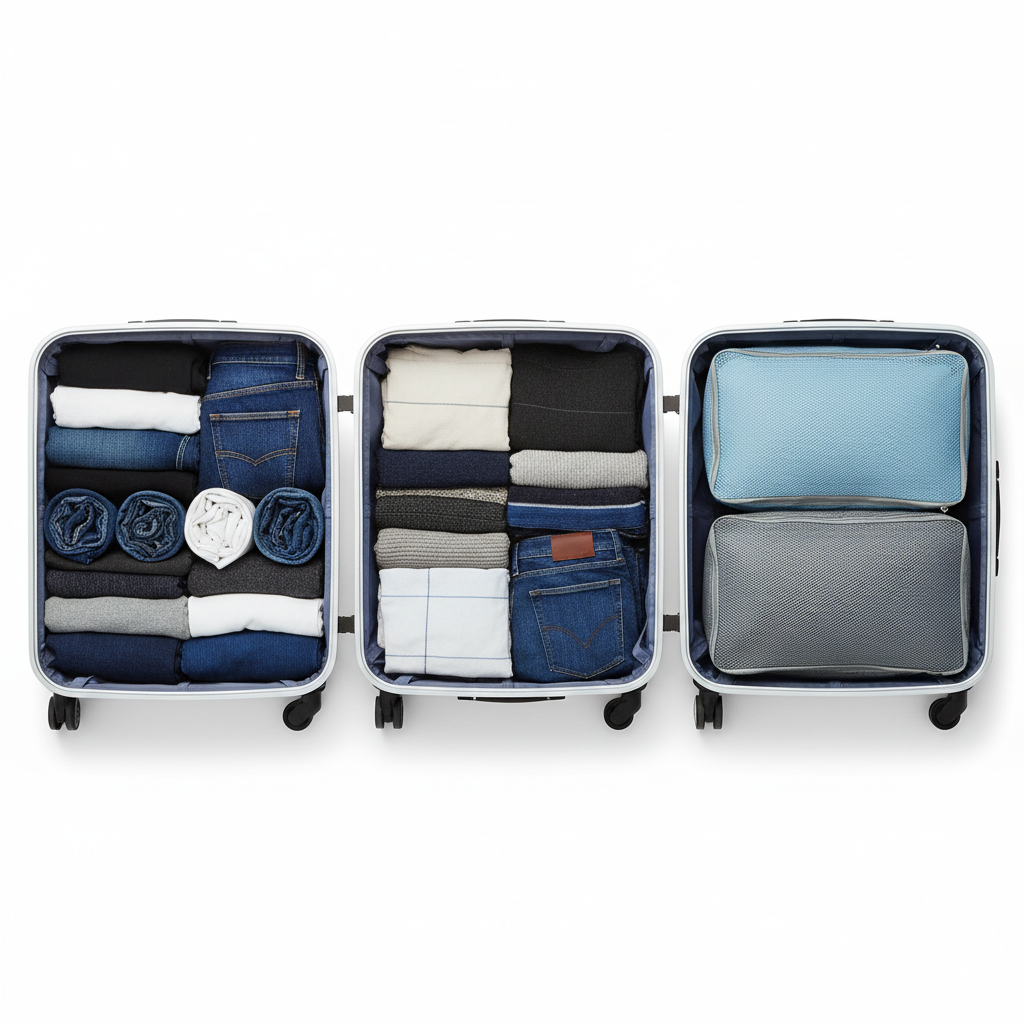
Here is the realistic breakdown most travelers end up with after a few trips:
- Packing cubes: best for keeping categories separate, preventing the “explosion” when you open your bag, and staying organized in hotel drawers.
- Rolling: good for casual knits and tees, decent for saving space, not great for dress shirts and structured fabrics.
- Folding: better for items that wrinkle easily, works well when you stack by outfit.
My editorial take: packing cubes win for most people because they reduce decision fatigue on the road. You unpack less, you lose less, you re-pack faster.
What to Pack (and How Much): A Practical Carry-On Formula
A repeatable formula beats a perfect list. Adjust for weather and dress code, but keep the ratios steady.
Carry-on clothing baseline (3–5 day trip)
- 2 bottoms (jeans or pants, plus a lighter option)
- 3 tops that mix with both bottoms
- 1 mid-layer (sweater, fleece, or light jacket)
- 1 nicer outfit or “upgrade” piece (dress, blazer, button-down)
- 4–5 underwear, 3–4 socks (more if you work out)
- Sleepwear that also works as loungewear
Shoes: keep it boring, keep it light
Two pairs usually covers most trips: one worn on the plane, one packed. If you need a third, it should be truly specialized, like hiking boots or formal shoes, and you should accept what it replaces.
A quick sizing table you can follow
| Trip type | Clothes strategy | Shoes | Notes |
|---|---|---|---|
| Weekend city trip | Rewear bottoms, swap tops | 2 pairs | Prioritize one “nice” layer for evenings |
| Business travel | Outfits by day, wrinkle control | 2 pairs | Pack a travel steamer only if clothing demands it |
| Outdoor-heavy | Technical layers, quick-dry | 2–3 pairs | Specialized shoes may force fewer “nice” items |
| 1+ week | Capsule wardrobe + laundry | 2 pairs | Plan a wash mid-trip, even a sink rinse helps |
Toiletries and Liquids: Make TSA Easy, Not Stressful
Toiletries are where efficient packing falls apart, mostly because people pack “full size” out of habit. If you want to pack a carry on bag efficiently, treat toiletries like a kit, not a shelf.
- Decant liquids into small containers, label them clearly
- Use solid alternatives when possible, like bar soap, shampoo bar, or solid deodorant
- Keep your quart-size liquids bag accessible for screening
Also, consider what you can buy at your destination. If you are staying near a pharmacy or grocery store, you may not need backups for everything.
Health note: if you travel with prescription medication or medical devices, it is usually wise to keep them in your personal item and carry original labels when possible. If your situation is complex, ask a pharmacist or medical professional what documentation makes sense.
Tech, Documents, and “Don’t Lose This” Items
This category is small, but the stakes are high, so it deserves its own mini-system.
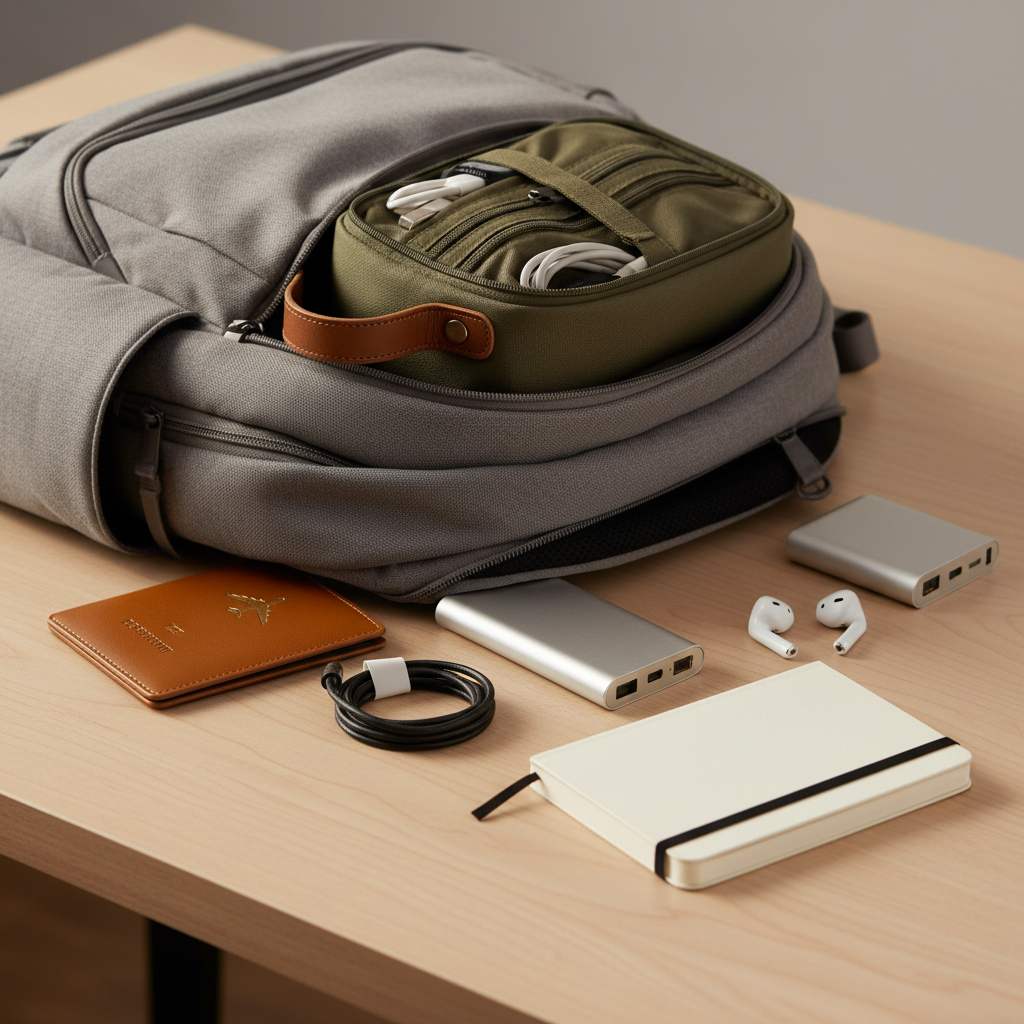
- One pouch for cables, adapters, power bank, and earbuds
- One place for passport, ID, and boarding passes, ideally an inner pocket
- One backup: a spare charging cable or wall plug, not a second full setup
If you bring a laptop, give it a predictable spot near the top of your personal item. You want to grab it without unpacking your entire life in the security line.
Step-by-Step: How to Pack the Bag So It Closes and Still Feels Light
This is the part people skip, then they wonder why the suitcase bulges. Pack in layers, and use the shape of the bag.
1) Wear the bulkiest items on the plane
That means your heavier shoes, your coat, and your “real” pants. You can always loosen up once you board.
2) Bottom layer: dense, stable items
- Shoes in a shoe bag, soles facing the edges
- Jeans or heavier pants near the base for structure
3) Middle layer: cubes or rolled casual items
- Tops, underwear, gym clothes, sleepwear
- Fill gaps with socks or a compact belt
4) Top layer: wrinkle-prone and “grab fast” items
- Button-downs, dresses, blazer
- Light toiletries bag if security access matters
5) External pockets: only what you need in transit
Keep it tight: a pen, a snack, wipes, maybe a small notebook. Overstuffed exterior pockets make the bag fail the sizer even when the main compartment fits.
Common Mistakes That Waste Space (and What to Do Instead)
- Packing “options”: If you pack three tops for one dinner, you are really packing anxiety. Pick one, and move on.
- Too many shoes: Extra pairs are heavy and awkward shapes. If you feel tempted, downgrade clothing count to pay for it.
- Full-size toiletries: You lose space fast and you risk TSA hassle. Decant or go solid.
- No dirty laundry system: A simple foldable bag keeps clean clothes clean and makes repacking faster.
- Forgetting the return trip: Save a small “buffer zone” for souvenirs or bulkier items you acquire.
Key point worth underlining: efficient packing is mostly decision-making. Gear helps, but it cannot fix an unclear plan.
Wrap-Up: A Simple Routine You Can Repeat Every Trip
If you want to pack light without feeling unprepared, keep the routine consistent: confirm airline rules, map outfits to activities, limit shoes, keep toiletries TSA-ready, and pack in layers so the suitcase works with you instead of against you.
Your next step can be small and practical: build a saved packing checklist in your notes app, then refine it after each trip. The second time you use it, you will feel the difference.